Michael B. Jordan’s career has just shifted into a new, exciting phase.
The Creed III star is also making his directorial debut with the third film in the trilogy, and Jordan took to Twitter to share the first trailer. Safe to say, this first look is a knockout. This trailer arrives a day after Jordan gave us a look at two new posters featuring himself as Adonis Creed and Jonathan Majors as Damian Anderson, the man who will prove to be an even greater challenge than Viktor Drago (Florian Munteanu) was in Creed II. If Viktor represented a chance for Adonis to make Ivan Drago pay—by defeating his son—for killing his father, then Damian presents a more complicated battle, with Adonis’s own past and sense of guilt for having the life he has compared to his former friend.
Here’s a look at the trailer via Jordan’s tweet:
My directorial debut?! Still sounds crazy to say but there’s no film that has been more personal to me and no film I’ve felt more ready to steer. Excited to share the first trailer for Creed 3. To my cast & crew thanks for working so hard to continue the legacy of the franchise. pic.twitter.com/PSbOr2usdH
The trailer reveals that Creed III will find Adonis Creed at the top of the sport—seven years after he began his boxing journey—when he finds a man from his past leaning on his car. That man, Damian Anderson, was recently sprung from prison after spending the past 18 years behind bars. These two have history, and Adonis feels compelled to help Damian in any way he can. What Damian wants more than anything is to get back into the boxing ring, so Adonis tells him to come by the gym. Adonis and Damian were close, and Damian implies their divergent fates were not the result of core differences between them but from luck and, perhaps, Adonis’s own actions. Those fates, stardom versus prison, riches versus poverty, will fuel the battle that brews between them. Damian has a chip on his shoulder and something to prove—that he’s the better fighter—and he’s ready to show that to Adonis and the rest of the world.
Jordan works from a script by Keenan Coogler and Zach Baylin, from a story they worked on with original Creed director Ryan Coogler. Joining Jordan and Majors are past Creed alumni, including Tessa Thompson as Bianca, Florian Munteanu as the aforementioned Viktor Drago, and Phylicia Rashad, as Mary Anne Creed. The biggest name not here is Sylvester Stallone, who has officially retired from his Rocky role.
Creed III will hit theaters on March 3, 2023
For more on Warner Bros., HBO, and HBO Max, check out these stories:
There was never a question that Guillermo del Toro was going to do something distinctive with his Pinocchio adaptation. Now that the film had its international premiere in London, critics have had a chance to see just what the visionary director has done with his first animated film. The answer, at least thus far, is unsurprising—Del Toro has created a bracingly original, deeply personal stop-motion masterpiece.
Del Toro revealed last week why he chose to set his version of Pinocchio in fascist Italy during the reign of Benito Mussolini. In fact, he drew a line between his Pinocchio and two of his most critically acclaimed past films, The Devil’s Backbone and Pan’s Labyrinth, both of which were set around the time of the Spanish Civil War: “The three movies are to do with childhood coming up against something that has to do with war and violence,” he said during a special event held by Netflix before the film’s world premiere this coming Saturday. “I think for me, it’s always been the movies about fatherhood and being a father or being a son, and I think in those iterations, Fascism seems to be concerned with a father figure of a different kind and the desire to deliver ourselves to a father that unifies thought. So I think it’s both a background and it is something interesting thematically.”
Now that critics are starting to weigh in, we have a sense of what Del Toro and his team have achieved. Here’s a brief snapshot of what the critics are saying.
Wendy Ide at Screen International writes that Del Toro’s first animated film, which he co-directed with stop-motion maestro Mark Gustafson (he was the animation director on The Fantastic Mr. Fox), crackles with originality: “Netflix’s impressive run of high-quality animations continues with Guillermo Del Toro’s Pinocchio, the director’s gorgeous first foray into animation and a prickly, bracingly macabre spin on the much-adapted tale. It relocates Carlo Collodi’s 1883 story to an Italy simmering with fascism in the first half of the twentieth century and doesn’t shy away from the monstrous elements of the sentient marionette with flammable feet and no impulse control.”
The Hollywood Reporter‘s Leslie Felperin writes that the film is “like an affirmation that just as life is messy and marvelous, so too is this baggy, sometimes raggedy but often beautiful adaptation of Carlo Collodi’s episodic book about a living wooden puppet, first published in the late 19th century, rendered here via exquisitely executed stop-motion animation.”
Meanwhile, Variety‘s Guy Lodge writes that Del Toro has managed to honor Carlo Coloddi’s deathless 19th-century original while infusing it with his own particular genius: “In spirit, however, this notably peculiar, frightening animation feels more in line with Collodi’s imagination than most previous iterations. As you might expect from the man behind “Pan’s Labyrinth” and “The Devil’s Backbone,” there’s a dark, violent sense of consequence to this one, a healthy sense of grotesquerie, that makes its happy ending — yes, that’s still on the cards, but not exactly as you’d expect — feel hard-earned.”
Over at The Wrap, Nicholas Barber says that Del Toro has managed to create a film that’s both fearlessly sinister and irrefutably charming: “It’s intense, creepy, often harrowing stuff, so you can see why del Toro has said in interviews that his Pinocchio isn’t a children’s film. But that doesn’t mean that brave children, and brave adults, won’t adore it. Del Toro and his co-writers, Patrick McHale (Adventure Time) and Matthew Robbins (Crimson Peak), balance the more hellish misadventures with chirpy humor, Alexandre Desplat’s songs are sprightly fun, and the Ray Harryhausen–worthy models have a folksy, old-world charm and a limber grace. Stop-motion movement has rarely, if ever, looked as natural.”
Guillermo del Toro’s Pinocchio will premiere in select theaters in November and stream on Netflix on December 9, 2022.
As part of the Motion Picture Association’s 100th year, the leading advocate in advancing the business and art of storytelling for the film, television, and streaming industry has found a new way to be of service by becoming a sponsor of the Middleburg Film Festival. Now in its 10th year in operation, this festival has become a significant player in the windup to Oscar season. As part of their partnership with the MFF, the MPA presented a “State of the Film Industry” panel to a packed crowd of industry insiders, filmmakers, and movie lovers on the fest’s last day.
MPA Chairman and CEO Charles Rivkin opened the panel by thanking festival founder Sheila Johnson and Executive Director Susan Koch for the work they’ve done in the first 10 years of the Middleburg Film Festival, saying, “what they’ve done is nothing short of remarkable, making the film festival not only renowned and respected but one of the best festivals in the United States.” He turned the panel over to the moderator, chief critic for the Washington Post Ann Hornaday, who introduced those taking part. That includes film editor Terilyn Shropshire, who was at the fest to do a master class on editing and discuss her latest film, The Woman King; Phil Contrino, the director of media and research for the National Association of Theatre Owners; Andy Edmunds, the director of the Virginia Film Commission; Walt Disney Company’s senior vice president of government relations Susan Fox; and Oscar-nominated and Spirit Award-winning producer Ron Yerxa, who brought his new film and Ray Romano’s directorial debut Somewhere in Queens to the fest.
Hornaday began by asking panelists how they saw the current state of the industry, to which Shropshire responded first, saying, “The Woman King was the first film on which I was able to go back into the editing space with my crew and collaborate in person.The Old Guard was released during the pandemic, so we were never able to see it on the big screen. With The Woman King, to be able to watch it in IMAX and Dolby Vision and experience it with an audience was very emotional for us because we hadn’t had that in so long. I’m really encouraged. This is something we’ve all had to live with, but we’ve learned to adapt, and it’s nice to see human beings rise above and figure out how to still experience cinema the way we want to.”
Contrino talked about the need in theaters for a balance between blockbusters, which he said, post-pandemic are doing well, and mid-budget films and smaller festival circuit indies. “The blockbusters are back big time, but what we need is the kind of movies that are playing at the festival this week, like The Woman King, to make a comeback. We need those things because it’s like a healthy diet, which is the best way I think of it. I do think the prestige movie is going to make a big comeback this fall. That’s what the industry needs to fully recover at this point.”
There were a number of questions about how to foster an environment for indie films and smaller projects to succeed, especially as it allows for more diversity of content and more inclusive casts and crews. Hornaday asked Ron Yerxa how he believes his film Peanut Butter Falcon, a film that featured a co-star with Down syndrome, broke through and became so financially successful. He explained, “Peanut Butter Falcon was a truly independent film made with equity money. It was, in large part, a spirited comedy but deals with some serious issues underneath that. Nobody wanted it. I mean nobody. But ultimately, it was finally accepted into SXSW and won the audience award, and it became the highest-grossing indie of that year. A lot of that was word of mouth.”
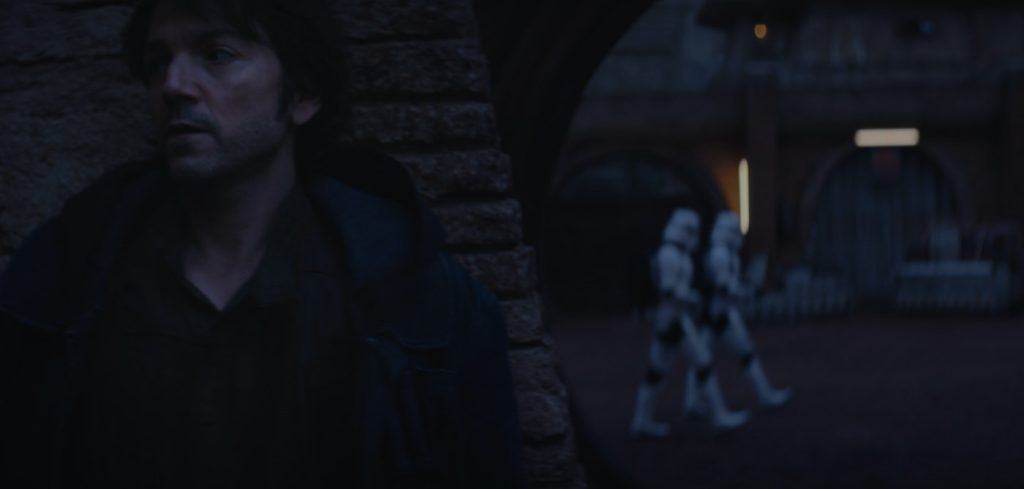
Hornaday turned to Susan Fox and asked her to speak to the fact thatLightyear was considered an underperformer in brick-and-mortar theaters but has had a healthy life online. Fox offered a perspective on what Disney has learned about how films find success. “We’ve always known that the creative process is an art, not a science. I think we’re learning that marketing is an art, not a science, and that distribution decisions are an art, not a science. There is no formula. With Lightyear, for us, it’s done really well on streaming. Encanto, which did well theatrically, became a phenom on streaming. There’s not one size fits all, and we’re figuring it out as we go along.” Fox also talked about shifts in how Disney is presenting their projects, sometimes simultaneously online and in theaters, or shown in theaters months after release. “We’ve done communal screenings of Andor, which you could see 3 days later on your iPad. We did movie screenings of Shang-Chi and the Legend of the Ten Rings nine months after it came out. These screenings have been really well-received and supported.”
Edmunds talked about the value of a wide variety of platforms, what that means financially, and the challenges of drawing productions to work in a specific state or country. “It used to be the Virginia Film Commission would compete with stuff like the best location or logistical assets, but now that’s all driven by incentives, tax credits, and rebates. Essentially a state or country has to buy the jobs, and there’s a debate about whether it’s worth the investment. I believe it is, because the film industry offers wonderful opportunities. When a producer like Ron Yerxa comes to Virginia, it’s like a helicopter full of money that touches all parts of the economy.”
Hornaday asked Contrino if he felt the movie theaters have learned anything from the pandemic about the culture of film-going. He responded, “What you see is that when one movie theater innovates and lands on something that works really well, it puts pressure on the entire industry, in a sense, to innovate as well.”
When an attendee asked how more political perspectives could be presented on the big screen, there was a consensus that the most successful movies being released have both a political component and the ability to entertain. The films of Jordan Peele were hailed as a great example of that. The last question was from a young film critic in the audience who identified as immunocompromised and prefers watching films at home. They asked how many on the panel would be happy if movie theaters faded out of existence. Shropshire said she believed in the value and strength of the collaborative experience that movie theaters provide. Yerxa added that there’s a crucial difference between theater and home. “At home, you’re in control, and you’re the director. In a theater, you have no control. You’re experiencing something, and you’re just totally immersed in it.” The night before, when Somewhere in Queens was screened, he said a woman relayed to him she was going to leave halfway through because Ray Romano’s character was so annoying, but she stayed. He explained, “She said, ‘I’m so glad I did because everyone had their redemptive, transformational moment.’ If she had been at home, she would have turned the channel or turned off the screen.”
The panel wrapped on a positive note, with the panelists echoing one another. They all believe that the industry may be in transition, but the sheer volume of content across platforms means more opportunities. More diverse voices will be heard, and every kind of audience, whether at home or in theaters, can enjoy the storytelling experience.
There is a lot happening within the DC Extended Universe right now. First and foremost, this Friday marks the arrival of Dwayne Johnson’s Black Adam, a major event within the DCEU that will significantly impact the future of Warner Bros.’ comic book universe. Johnson’s arrival comes at an interesting time for DC, with Warner’s superhero firmament in a period of potentially fruitful flux. In fact, The Hollywood Reporterscoops that right now, some of the biggest names in Hollywood are looking to potentially join forces with the studio and help steer their stable of superheroes into the future. Dwayne Johnson is leading the charge in helping shape the DCEU’s future.
One possibility? The return of Henry Cavill as Superman. The Rock himself is adamant that his newly minted DCEU game-changer Black Adam will fight Superman on screen, and this promise has led to fans clamoring to see Henry Cavill return to the role. According to THR, Warners very much wants to get Cavill back into the red cape. “The project that would essentially be Man of Steel 2 is being produced by Charles Roven and is currently in a search for writers,” THR reports. Topping the wishlist of potential scribes is Mission: Impossible writer/director Christopher McQuarrie. McQuarrie worked with Cavill on 2018’s Mission: Impossible – Fallout, but currently, there’s no word on how likely, or even possible, a McQuarrie-penned Man of Steel 2 would be.
Johnson is doing his part to get Superman back into the DCEU fold. He’s previously hyped up a surprise cameo at the end of Black Adam, with insiders openly wondering whether it’s Cavill appearing as Superman. As THR writes, Johnson and Cavill are also connected by Johnson’s manager, Dany Garcia, who is also Cavill’s manager.
Superman is, of course, one of the most popular characters on the planet and a centerpiece of the DCEU. There has been a lot of movement within Warners to introduce a Black Superman, with none other than Ta-Nehisi Coates writing the script with J.J. Abrams producing.
Beyond the Man of Steel, there’s a lot more happening within the DCEU. Writer/director James Gunn is in talks to direct a mystery movie, while the second season of his Peacemaker series is in the works. Meanwhile, over in Gotham, The Batman writer/director Matt Reeves is already at work developing his sequel, as well as a spinoff series on HBO Max focused on Colin Farrell’s Penguin. There’s more from Reeves, however, as he meets with writers and directors to build out a slate of movies based on Batman’s rogue’s gallery, focusing on both well-known and lesser-known villains, from Scarecrow to Clayface.
Needless to say, there’s a lot going on in the DCEU, but one thing is certain—Dwayne Johnson’s Black Adam has officially arrived.
For more on Warner Bros., HBO, and HBO Max, check out these stories:
Welcome to the Marvel Cinematic Universe, Mr. Ford.
Harrison Ford will be taking over for the late William Hurt in the role of General Ross in the upcoming Captain America: New World Order, The Hollywood Reporterconfirms. The film is the first MCU feature in which the mantle of Captain America is taken up by Anthony Mackie’s Sam Wilson and the third Captain America standalone film. Sam Wilson’s acceptance of that role was the thrust of Marvel’s Disney+ series The Falcon and the Winter Soldier.
Ford joins Mackie and New World Order order director Julius Onah, with the story picking up after the events in The Falcon and the Winter Soldier, which saw Sam Wilson finally take on the role after the spectacular and brutal failure of John Walker (Wyatt Russell), the would-be heir to Steve Rogers (Chris Evans), who became unhinged and dangerous. New World Order will also include Carl Lumbly, reprising his Falcon and the Winter Soldier role as Isaiah Bradley, Tim Blake Nelson as Samuel Sterns/The Leader, Danny Rameriz as Joaquin Torres/Falcon, and Shira Haas as Sabra. The film was written by Falcon and the Winter Soldier creator Malcolm Spellman and series co-writer Dalan Musson.
Taking on the role of General Ross means that Ford won’t just appear in New World Order but also in the upcoming MCU film Thunderbolts, which is centered on a team of supervillains set to be directed by Jake Schreier.
The role of General Ross had been Hurt’s for well over a decade before he passed away earlier this year at 71. He first appeared in 2008’s Incredible Hulk and again in 2016’s Captain America: Civil War. This will mark Ford’s first MCU film.
Ford has a lot of massive movies now on his calendar, highlighted by his final turn as the irrepressible archeologist Indiana Jones in Indiana Jones 5, which is due on June 30, 2023.
For more on all things Marvel Studios, check out these stories:
Featured image: LOS ANGELES, CALIFORNIA – FEBRUARY 13: Harrison Ford attends the Premiere of 20th Century Studios’ “The Call of the Wild” at El Capitan Theatre on February 13, 2020 in Los Angeles, California. (Photo by Amy Sussman/Getty Images)
Michael B. Jordan stepped into the director’s chair for Creed III, which will find his Adonis Creed meeting his toughest challenger yet—yes, even tougher than Florian Munteanu’s Viktor Drago from Creed II. That opponent is Jonathan Majors’ Damian Anderson, and we’ve now got our first look at how hard both Jordan and Majors worked to get into fighting shape for the upcoming film.
Jordan revealed two new posters for Creed III on Twitter, which are squarely focused on the two main competitors in the clash to come. The first poster shows Jordan’s Adonis Creed, and the second shows Majors as Damian Anderson. We’ve also got the release date—March 3, 2023—giving us a late winter jolt right when we’ll need it.
The plot details for Jordan’s directorial debut are being kept under wraps, but we know he worked from a script by Keenan Coogler and Zach Baylin, from a story they worked on with original Creed director Ryan Coogler. Joining Jordan and Majors are past Creed alumni, including Tessa Thompson as Bianca, Florian Munteanu as the aforementioned Viktor Drago, and Phylicia Rashad, as Mary Anne Creed. The biggest name not here is Sylvester Stallone, who has officially retired from his Rocky role.
Creed II gave us the brutal, emotionally charged fights between Adonis and Viktor, the son of Ivan Drago, the man who killed Adonis’s father, Apollo Creed, in the ring. It would seem nearly impossible to find an opponent as imposing as Viktor Drago, but Jonathan Majors as Damian Anderson seems like the one man who could do it, and his peerless intensity will give Creed III a major charge and make for a compelling final installment in the trilogy.
Newcomers include Selenis Leyva, Thaddeus J. Mixson, Spence Moore II, Mila Davis-Kent, and Canelo Álvarez.
For more on Warner Bros., HBO, and HBO Max, check out these stories:
Sylvester Stallone as an Italian mobster, freshly sprung from prison, being relocated to run things in Tulsa, Oklahoma? Yeah, we’ll take some of that. What’s more, Sly’s upcoming Tulsa King on Paramount+ comes from two very heavy hitters, creator and Academy Award nominee Taylor Sheridan, who is becoming his own TV studio with his expanding Yellowstone empire, and showrunner and head writer Terrence Winter, who worked on a little series you might have heard called The Sopranos. So yeah, Tulsa King comes to you with some serious pedigree.
Stallone stars as Dwight “The General” Manfredi, a mobster who kept his trap shut for 25 years while in prison and who’s compensated for that loyalty to his mafia brethren in New York by getting shipped off to Tulsa. Once there, Dwight decides to take matters into his own hands and sets about assembling his own crew in an effort to create a rewarding, lucrative criminal world for himself in a town about as far away from his New York City home as he can imagine. The trailer reveals that Sheridan and Winter are going to deliver not only the thrills of the mafia story but some comedy, too. That’s evident when Dwight puts the squeeze on a marijuana dispensary, promising its owner he’ll keep the cops off his back, despite the dispensary being completely legal.
Joining Stallone are Andrea Savage, Martin Starr, Jay Will, Max Casella, Domenick Lombardozzi, Garrett Hedlund, Vincent Piazza, A.C. Peterson, and Dana Delany.
Check out the trailer below. Tulsa King arrives on Paramount+ on November 13.
Here’s the official synopsis for Tulsa King:
TULSA KING follows New York mafia capo Dwight “The General” Manfredi (Sylvester Stallone), just after he is released from prison after 25 years and unceremoniously exiled by his boss to set up shop in Tulsa, Okla. Realizing that his mob family may not have his best interests in mind, Dwight slowly builds a “crew” from a group of unlikely characters, to help him establish a new criminal empire in a place that to him might as well be another planet. The series also stars Andrea Savage (I’m Sorry), Martin Starr (Silicon Valley), Max Casella (The Tender Bar), Domenick Lombardozzi (The Irishman), Vincent Piazza (Boardwalk Empire), Jay Will (The Marvelous Mrs. Maisel), A.C. Peterson (Superman & Lois) with Garrett Hedlund (The United States vs. Billie Holiday).
The series will be executive-produced by Sheridan, Winter, Stallone, David C. Glasser, Ron Burkle, Bob Yari, David Hutkin, and Allen Coulter. Braden Aftergood is also set to executive-produce.
Featured image: Sylvester Stallone is Dwight “The General” Manfredi in “Tulsa King.” Courtesy Paramount Plus.
In a new promo, HBO has given us some of their most hotly-anticipated series, perhaps none more so than Craig Mazin’s adaptation of The Last of Us. Based on the popular video game series, the Chernobyl creator has teamed with the video game’s writer and creative director, Neil Druckmann, to give us a 10-episode season centered on the dangerous journey of Joel (Pedro Pascal) and Ellie (Bella Ramsey) across a devastated American landscape in a post-apocalyptic world.
The promo gives us a shot of the staggering ruin of America, with blown-out buildings leaning into each other and a sky sooty with fire and smoke. Like the previous teaser, we are plunged into this nightmare alongside Joel and Ellie, who need to find a way to get out of the quarantine zone without being killed by one of the infected or twitchy, untrusting survivors. “Everybody I cared for either died or left me,” Ellie says during the new promo. Joel, however, will try to do neither of those things.
Joining Pascal and Ramsey are Nick Offerman, Gabriel Luna, Storm Reid, Merle Dandridge, Nico Parker, Murray Bartlett, Ashley Johnson, Graham Greene, Anna Torv, Lamar Johnson, Keivonn Woodard, and Troy Baker. In fact, Dandridge, Baker, and Johnson all did voice work on the original video game series.
The promo also teases some of HBO’s other hot commodities, including season two of Mike White’s razor-sharp satire The White Lotus, a new 4-part documentary about, and titled, Shaq, a new season of We’re Here, a new limited series titled The White House Plumbers, the new series The Idol, the new limited series Full Circle, the new limited series Love & Death, and new seasons of Barry, Winning Time, Somebody, Somewhere, The Righteous Gemstones, Curb Your Enthusiasm, A Black Lady Sketch Show, How To With John Wilson, The Gilded Age, Hacks, Tokyo Vice, Julia, Our Flag Means Death and the Emmy-darling Succession. The promo does a good job of reminding you why HBO so routinely mops up Emmy Awards year in and year out.
Check out the video below.
For more on Warner Bros., HBO, and HBO Max, check out these stories:
Ramy Youssef’s consistently excellent self-titled Hulu series Ramy centers on his titular character, a young Muslim trying to reconcile his elastic identity. He’s the son of Egyptian immigrants living in New Jersey stretched in multiple directions, between his Muslim community, God, his friends, and his still murky future. The series was a critical hit when it premiered, and Ramy didn’t lose any of its intellectual heft, hilarity, or bite in season 2. In that season, Ramy tried to be a good Muslim man by the standards of today, with disastrous results.
Now that season 3 is available on Hulu, it’s safe to say that Ramy has established itself as one of the most reliably interesting and richly drawn comedies on TV. The action takes place a year after the events in season 2, with Ramy still employed in the diamond district for his closeted Uncle Naseem (Laith Nakli), who is now actively on dating sites for young available Muslim men. Meanwhile, Ramy’s personal life is in a tailspin after having sex with his cousin Amani (Rosaline Elbay) the night before his marriage to Zainab (MaameYaa Boafo)—and not for the first time—and now forced to deal with the aftermath of that disastrous infidelity. Ramy hasn’t only torpedoed his own life; his actions have blown a hole in the lives of the people around him, too.
Season 3 is abundant with storylines, indelible performances, and Ramy‘s trademark unflinching, offbeat humor and pathos. It’s unlike anything else on TV. Jumping into this rich world was costume designer Nicky Smith, who took over the reins from Dana Covarrubias. We spoke to Smith about what it was like coming into a successful show, how she hoped to subtly shape viewers’ experiences through the wardrobe, and why sometimes the best wardrobe choices are the ones performers bring from home.
After watching the first two seasons, what were you thinking about your approach to season three’s aesthetic?
One of the great things is that season one and two feel very East Coast, very New York. It really has the stylized look of what we consider like that tri-state area vibe. So it was really easy for me as a native New Yorker to kind of move into that world and to bring what had already been done in previous seasons into my own tone. For example, one of the things that I tried to do this season was really create color matching to try to tell a color story. I did that with color vignettes so that when you’re looking at the scene, it’s kind of telling a story visually.
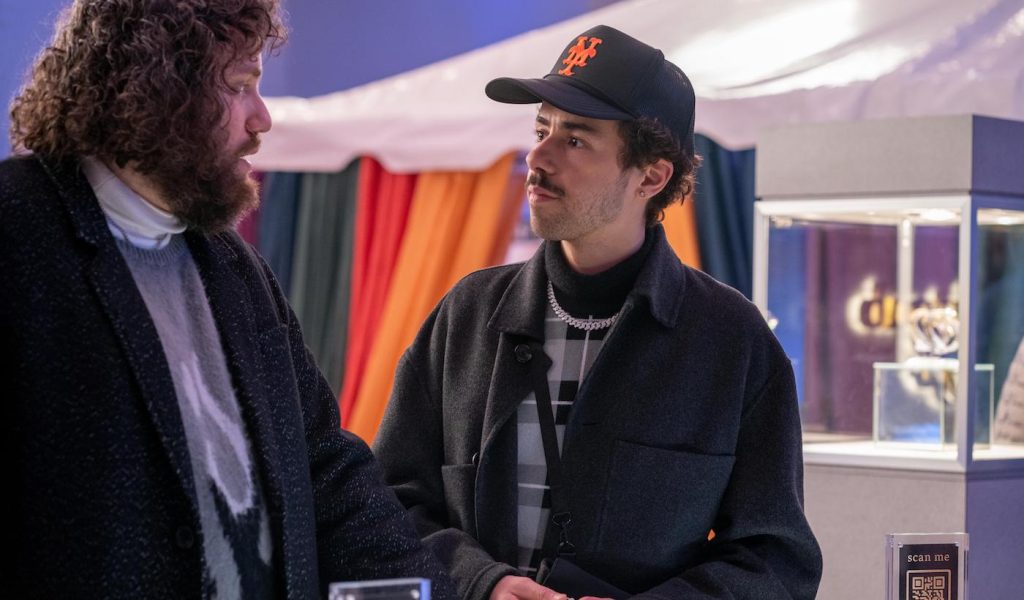
Ramy — “merchants in medina” – Episode 308 — praying. be back soon. Majid Al Maskati, and Jordan Ullman, shown. (Photo by: Jon Pack/Hulu)
How did you approach the evolution of Ramy’s style?
We were really lucky on this season because we kind of had the overall arc of what all the episodes were gonna be like. That allows you to design your main core characters in a way that you can show the evolution of where they go. For example, for Ramy, we really started with him still in the hoodies and the puff jackets. His look had been previously established so that, by midway through season 3, we had him in the really great wool coat, turtlenecks, and sweaters. So when I started, I started with those trends [from past seasons] and then got to explore where I saw the characters arcing visually.
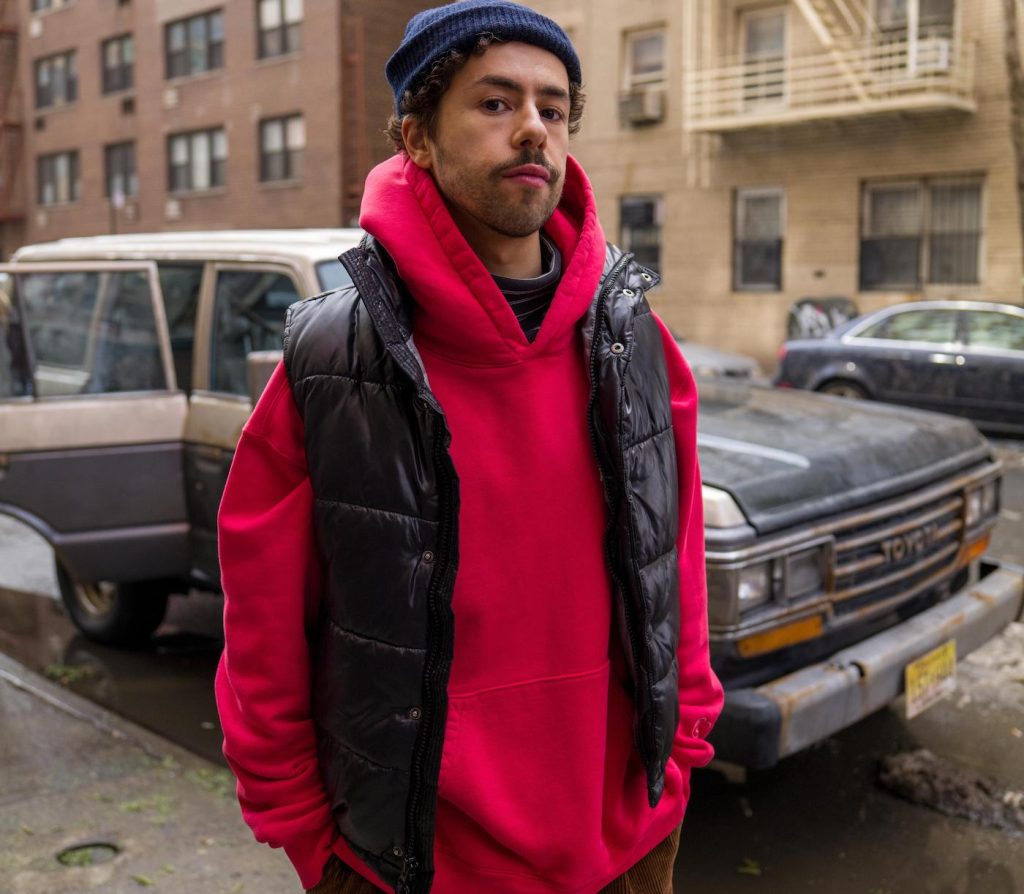
Ramy — “harry potter” – Episode 301 — are you watching horse porn? Ramy (Ramy Youssef), shown. (Photo by: Marcus Price/Hulu)
And how did you approach outfitting the rest of this diverse cast in a way that reflects their faith, their socioeconomic status, and their sense of self?
It starts with the research. Ramy is a really wonderful writer, which we all know, and the world that he creates has so much detail and nuance to it that it gives me a palette to find images that match what the words are. I’m searching Pinterest, Instagram, I’m going to the photo library, and anywhere I can go to source imagery. It’s really important to me that the imagery is of people of the culture. As much as I can have faces that look like our actors on their wardrobe boards, I think it really brings an added depth to where the story starts. I want to make sure that the actors who are playing the characters, especially the main actors who have been in these roles for two years, feel themselves when they look at the boards and that they feel the evolution of the character. Like with Dena, who was played by May [Calamawy], we talked about how we could evolve her from the sweaters and the looks that she wore in previous seasons to where she is now as a young woman in law school.
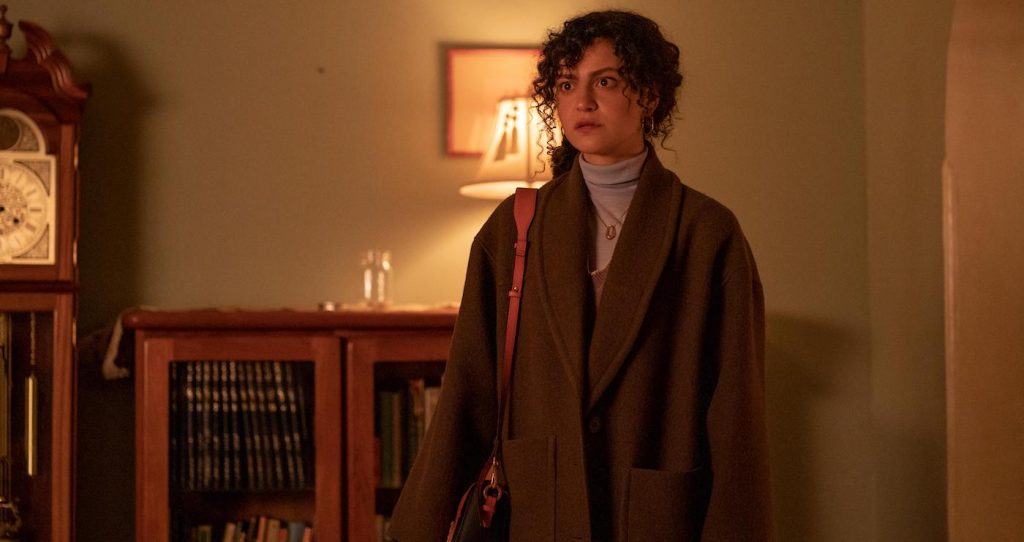
The style board for Dena (May Calamawy’s character). Courtesy Nicky Smith.Ramy — “we gave it all up for hot dogs” – Episode 310 — maktoub. Dena (May Calamawy), shown. (Photo by: Jon Pack/Hulu)
You hear a lot today about how productions are so much more mindful of their environmental impact. How often on Ramy are you re-using items or borrowing clothes?
I broke down some of the closets from the previous two seasons for day players that weren’t gonna come back, and then we put that into our general stock so we can pull from it as needed. Then I reached out to other costume designers that are friends of mine, and if they had things that weren’t in storage units that they weren’t using, I asked if I could borrow that. For example, we borrowed police uniforms from Blue Bloods, we borrowed hospital uniforms from FBI: Most Wanted. It’s about using your network and figuring out how we can help each other. Budgets aren’t always as expansive as we want them to be, and it helps us just add an extra layer of detail and authenticity to the clothing that we use on camera. Especially when you’re doing secondhand thrift, you find things you would never find in a store. Like there’s always some weirdness that you could put on a character, and you’re like, ‘Look at this beautiful hand-painted coat that I didn’t paint, but someone’s grandmother painted in 1989 for their Bat Mitzvah.
I imagine this also works really well because some of these characters would be shopping at thrift stores anyway.
Yes. I’m really big about making sure that the brands and the sourcing I use to match a character’s socioeconomic status because I wanna make sure that if that character would shop at a mid-range store or like a Zara or an H&M, it looks like the character would shop from there. It doesn’t necessarily mean all the clothes come from there, but I want the overall look to match what that person could afford.
What’s your process of working with the actors?
It’s definitely a collaborative process. I always start a fitting by saying that at the end of the day, I want the actor to feel comfortable because they’re the ones playing the character; they’re the ones who are on camera. I really wanna let them know that if something feels uncomfortable, I’d rather someone just vocalize it in the fitting so we can correct it, solve it, and make sure that by the time they’re on camera, everyone in the room is happy with the look. So I show them the boards that I present to the director or the showrunner so they can see the research of how I got to that place with the character. And then we kind of talk through the rack, and if there’s something they really absolutely hate, which doesn’t happen often, I’m fine to veto it. Like it’s not about ego; it’s really about the collaborative process.
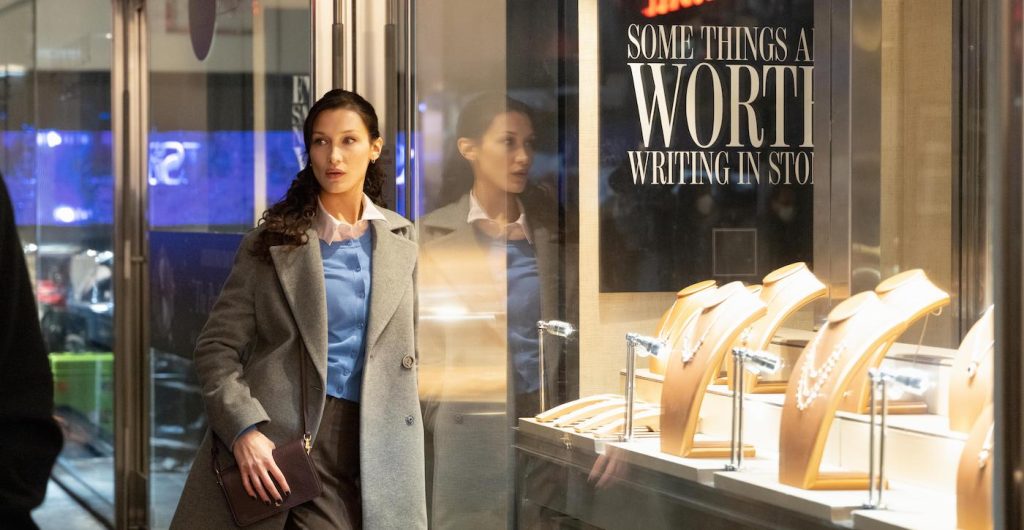
Ramy — “we gave it all up for hot dogs” maktoub. Lena (Bella Hadid), shown. (Photo by: Marcus Price/Hulu)
Talk to the rack is a fantastic phrase.
[Laughs]. We talk through the rack, but I actually do talk to the rack. When I pull [clothes], I get into this hippy Matrix mind zone and then, like, put looks together. It’s a whole thing.
Last question—any favorite looks from season 3?
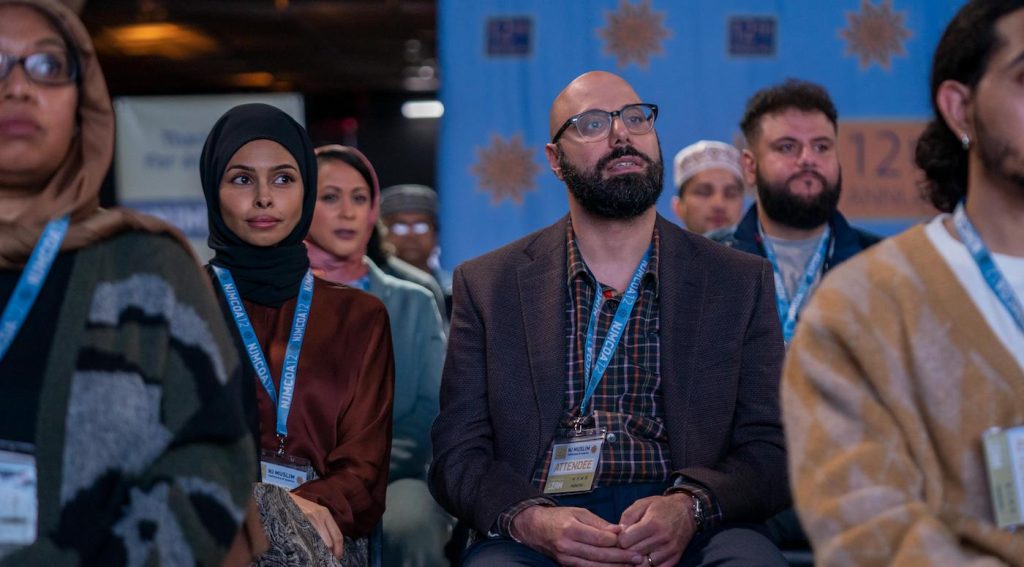
In episode eight, we’re at the Muslim Conference. It really felt like we brought out all these different characters from Muslim culture. There were Afro-Muslims, and Palestinian Egyptians, and we really made sure that a lot of the background actors, if they were from those nationalities, brought their own stuff. Because as much as we can provide, there’s nothing better than people representing their own cultures.
Ramy — “merchants in medina” – Episode 308 — praying. be back soon. Yasmina (Rana Roy), Ahmed (Dave Merheje), and Mo (Mohammad Amer), shown. (Photo by: Jon Pack/Hulu)
Ramy is streaming now on Hulu.
For more on Hulu series and films, check out these stories:
Featured image: Ramy — “bad momma” – Episode 305 — i don’t care about your halal/haraam ratio. Bella Hadid, and Ramy Hassan (Ramy Youssef), shown. (Photo by: Jon Pack/Hulu)
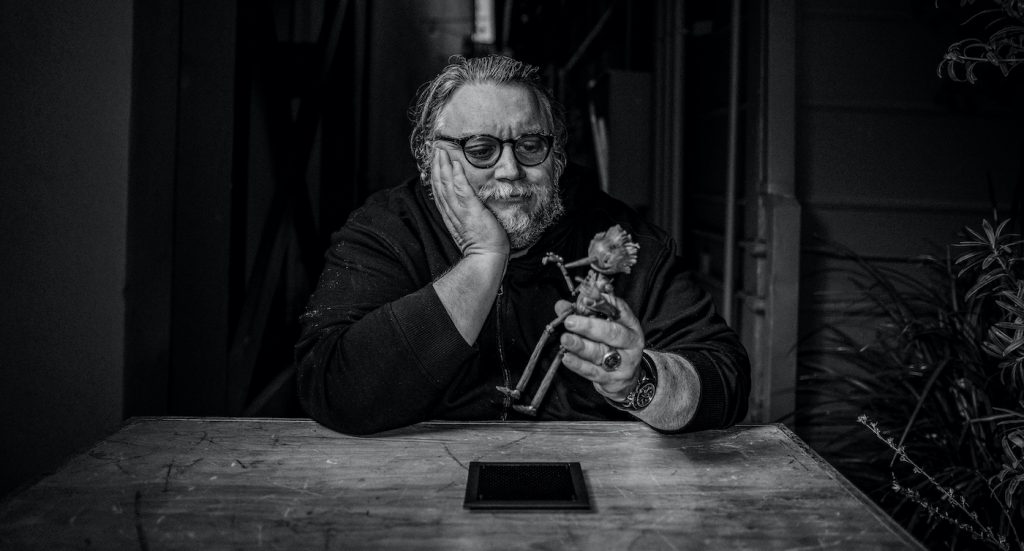
Guillermo del Toro was never going to make a wooden Pinocchio. What we mean by that admittedly bad pun is that the visionary director was always going to take the deathless story of Pinocchio and mold it into something unique and personal. And Pinocchio is deeply personal to the auteur, who has said that it’s the story that probably shaped him more than any other. “No art form has influenced my life and my work more than animation, and no single character in history has had as deep of a personal connection to me as Pinocchio,” he said in a statement when the film was announced.
Yet Guillermo del Toro’sPinocchio (its official title) represents his first foray into animation, and even for a director as resolutely unique as Del Toro, one might still be surprised to find out that he’s created an animated movie that’s “thematically” linked to two of his most celebrated, harrowing works—Pan’s Labyrinth and The Devil’s Backbone—both of which dealt with the Spanish Civil War. The Devil’s Backbone takes place during the war, while Pan’s Labyrinth is set during the beginning of Franco’s brutal reign. For Pinocchio, Del Toro set the action in Benito Mussolini’s Fascist Italy.
“The three movies are to do with childhood coming up against something that has to do with war and violence,” he said during a special event held by Netflix before the film’s world premiere this coming Saturday. “I think for me, it’s always been the movies about fatherhood and being a father or being a son, and I think in those iterations, Fascism seems to be concerned with a father figure of a different kind and the desire to deliver ourselves to a father that unifies thought. So I think it’s both a background and it is something interesting thematically.”
Del Toro explained that the reason his name is attached to the film’s title is that he embraced how his vision for the character will be different from Carlo Collodi’s original and Walt Disney’s adaptation.
“For me, there is Carlo Collodi’s Pinocchio, there is Walt Disney’s Pinocchio, and there’s Guillermo del Toro’s Pinocchio. Because to me, the interesting thing was: Can I make a Pinocchio that celebrates disobedience as opposed to celebrating obedience? Can I make a Pinocchio in which he doesn’t have to turn into a real boy at the end because he was obedient?”
Del Toro said he was inspired by some insight shared by the legendary Gabriel Garcia Marquez, author of “One Hundred Years of Solitude,” during a night of partying in Brazil.
“He said there were 10 characters in the history of literature that can be interpreted any way they want, including Tarzan, Sherlock Holmes, Dracula, Frankenstein, Pinocchio, and the Count of Monte Cristo. He said you could use them for symbols of many, many different things. You can put them in space, you can make them president, you can put them in a political or financial context. Anything. There will always be songs that will change with the key of the singer. And I thought that was incredibly liberating.”
Del Toro is one of the most liberated directors around already, so to hear him describe his vision for Pinocchio is very exciting indeed.
Del Toro’s film boasts a voice cast that includes Ewan McGregor, Christoph Waltz, David Bradley, Cate Blanchett, Tilda Swinton, Ron Perlman, Finn Wolfhard, and newcomer Gregory Mann as Pinocchio.
Guillermo del Toro’s Pinocchio will hit select cinemas in November and begin streaming on Netflix on Dec. 9
While Colin Farrell is on a publicity tour for the critically acclaimed The Banshees of Inisherin, which finds him re-teaming with his In Bruges director Martin McDonagh and co-star Brendan Gleeson, he’s offered up some delicious details about HBO Max’s The Penguin. The upcoming series will find Farrell reprising his role from Matt Reeves’ The Batman and is set to start filming in early 2023. Farrell told Extrathat the series will pick up almost immediately after The Batman‘s ending, a mere week after the Riddler tried drowning Gotham City.
“It starts about a week after The Batman ends,” Farrell told Extra. “So, Gotham is still, somewhat, underwater. I read the first script of the first episode, and it opens up on my feet splashing through the water in Falcone’s office. Even that alone, when I read it, I was like, ‘Oh, Jesus!’ It’s lovely. It’s so well-written. Lauren LeFranc has done such an extraordinary job, and she’s writing the whole thing and show-running. She is formidable. It’s just an exciting prospect. I love that character. I was greedy with it. I felt like I didn’t have enough. I wanted to do it more and more and more.”
Speaking with Collider, Farrell had more to say about LeFranc’s writing.
“I read the first episode, which is just so tasty and so unusual as the character was on the page and what Matt Reeves kind of envisioned when he was thinking of this iteration of the bang-up of Oz. So yeah, it’ll be, I think six or eight hours. I’m supposed to read episodes two and three within the next week.”
We’re far too early in the process to know much more about The Penguin, but these early details are promising. Given the success of The Batman and the fact that a sequel has already been okayed, one can cautiously hope that The Penguin will get a chance to make a splash on HBO Max.
For more on The Penguin and The Batman, check out these stories:
Black Adam has arrived, and the DCEU won’t be the same again. Dwayne Johnson’s titular antihero had its world premiere last night in New York City, and the first reactions to his long-awaited debut as the ancient, unyielding superhero arrive with him. The Rock has been preparing for the role for ten years, and it sounds as if the wait was worth it.
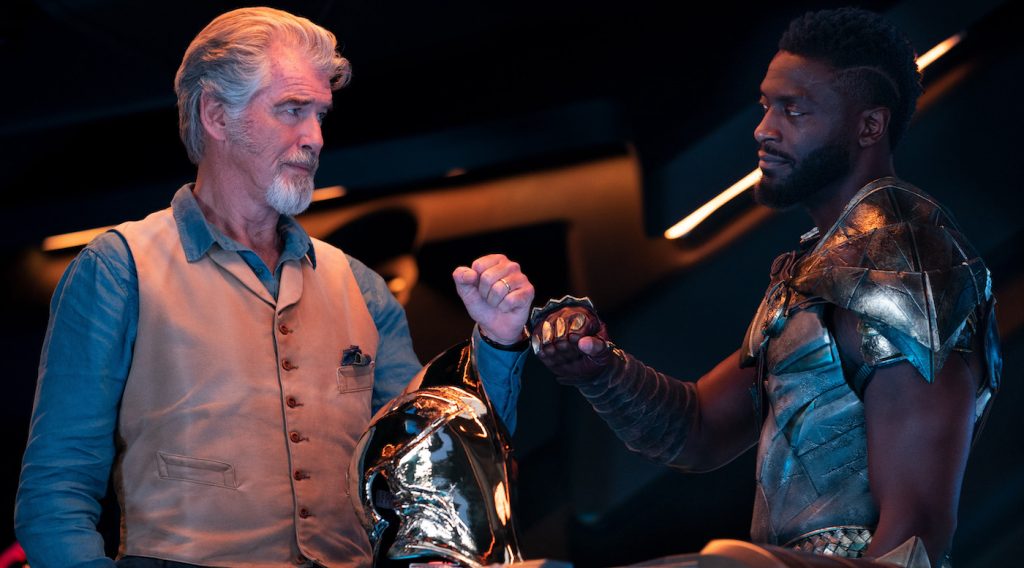
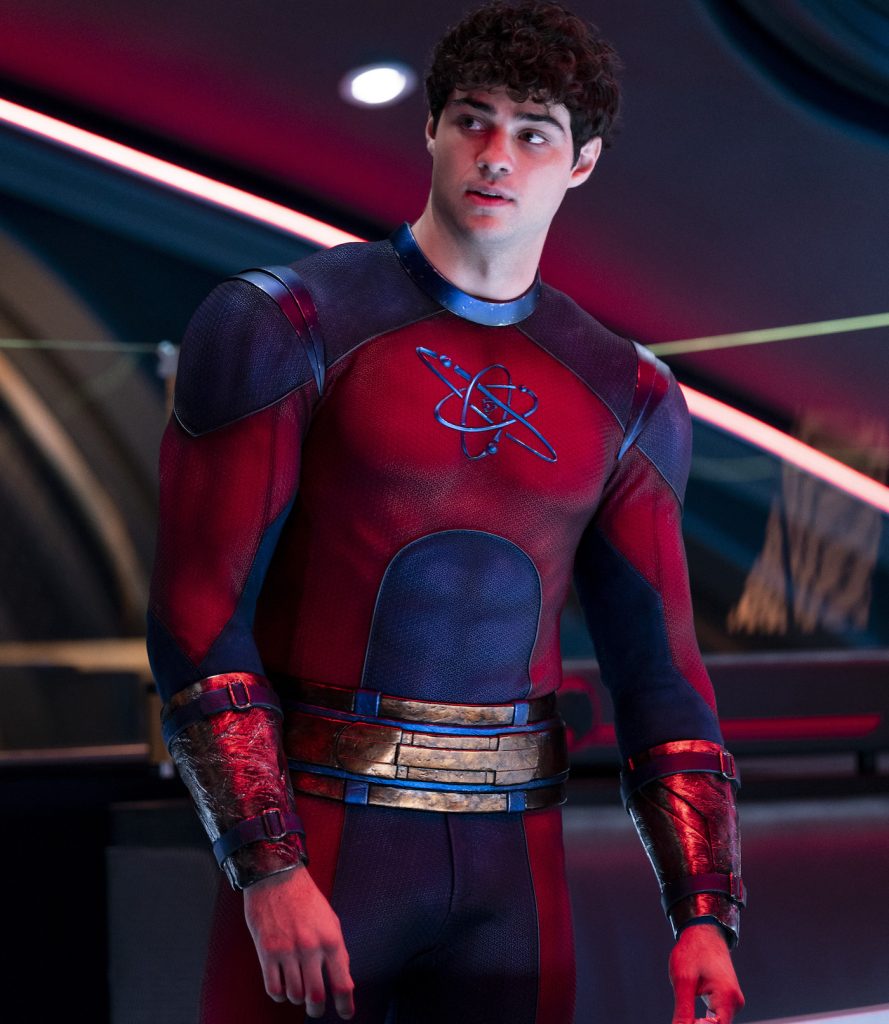
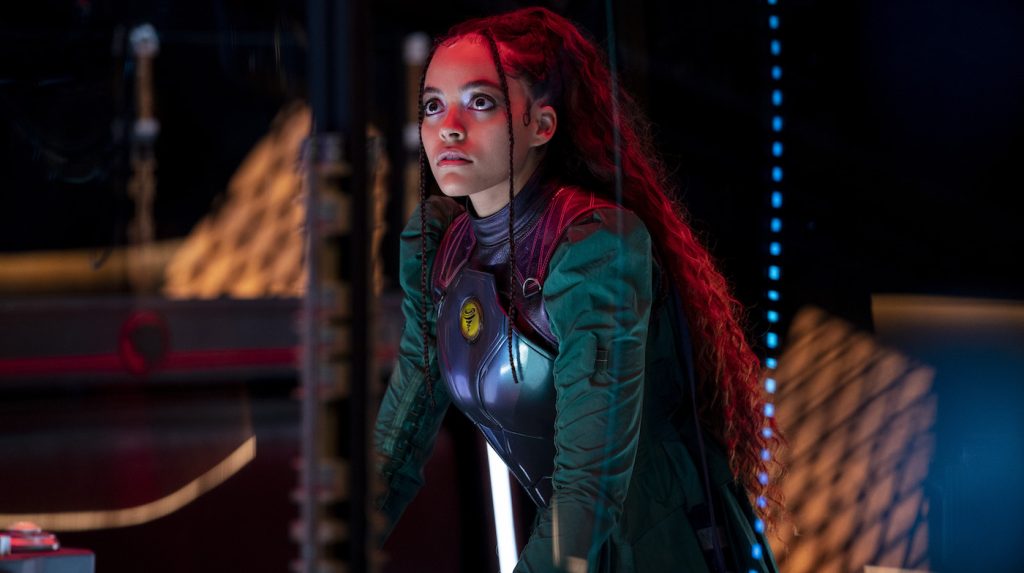
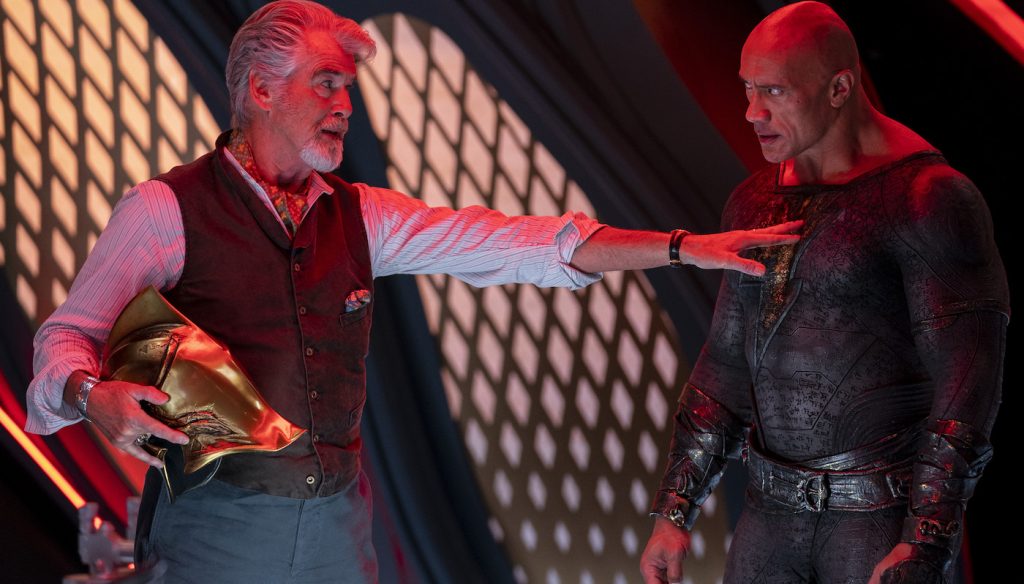
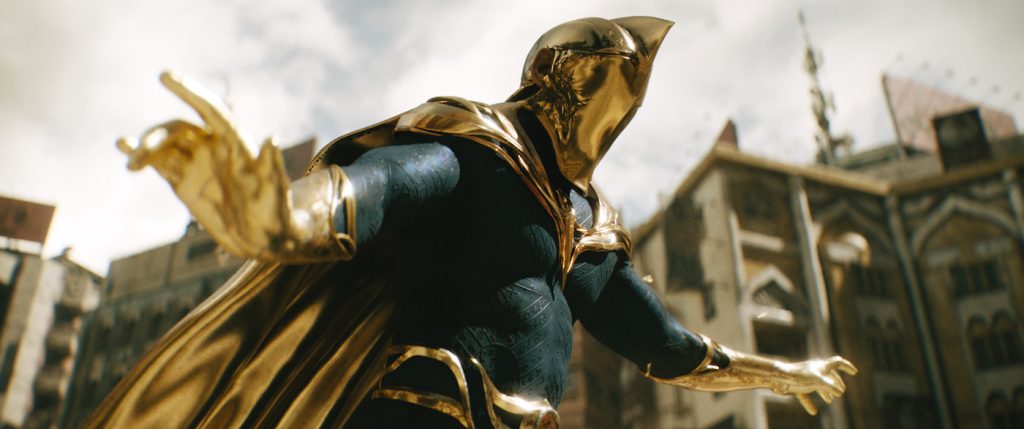
A quick synopsis for you Black Adam freshmen: The film features Johnson as the titular, ancient antihero—born a slave, executed and resurrected by his son’s sacrifice, Black Adam views his immense powers as a curse. This is an antihero as powerful as any member of the Justice League (or the Justice Society, who we’ll get to in a minute), possibly even more so. What’s more, he’s angry. Awoken after 5,000 years of slumber, Black Adam is the type of guy who the authorities, and the bad guys, become immediately aware of and want to control or destroy. Good luck with that. Eventually, Black Adam encounters the aforementioned Justice Society—Doctor Fate (Pierce Brosnan), Hawkman (Aldis Hodge), Cyclone (Quintessa Swindell), and Atom Smasher (Noah Centineo). They want Black Adam to play by the rules, but where (and when) he’s from, there are no rules, only the brutal hand of justice.
Without further ado, let’s check out the early reactions below:
.@TheRock is terrific in #BlackAdam, which includes a hearty amount of real world touchstones (most affecting is it reinforces the need for heroes in bleak times). Director Juame Collet-Serra lays out building blocks for a larger, grand universe. Action is lively & BIG in scale. pic.twitter.com/pDBkSHRDrI
— My Scary Name *is* Courtney Howard (@Lulamaybelle) October 13, 2022
#BlackAdam is a game-changer!! This is the #DCComics movie I’ve been waiting for & it did not disappoint. @TheRock is electrifyingly brutal as Black Adam! This is what I wanted Black Adam to be. The action in the film is non-stop & seeing the #JSA on the big screen was a thrill! pic.twitter.com/NigTxsfmd7
— Joseph Deckelmeier #BlackLivesMatter (@Joelluminerdi) October 13, 2022
Black Adam is everything that I hoped it would be and more. A Snyder-esque antihero spectacle that delivers big action and impressive set pieces. Dwayne Johnson transforms into Black Adam, a role that he was born to play. Centineo & Swindell are so damn fun to watch. #BlackAdampic.twitter.com/V1tY0liyph
#BlackAdam is DC’s most action-packed film to date. It’s a non-stop thrill ride that is all about spectacle, and it knows it. Ther3 is barely anytime to breath, or even talk. @TheRock is a perfect Black Adam, plus Pierce Brosnon is a standout. The film will leave fans buzzing! pic.twitter.com/HxCYYNw71w
have seen #BlackAdam. @TheRock is fantastic as Black Adam. He spent 10 years getting ready for this role and he literally kills anyone and everyone in his way and I loved that he didn’t pull back on who Black Adam is. Left the theater wanting to see the sequel immediately. pic.twitter.com/oLQc9lg7KR
DC’s #BlackAdam ROCKS! Tons of action, characters you’re instantly invested in & terrific pacing. Dwayne Johnson finds a great balance in being menacing & badass, but also empathetic. Especially loved Aldis Hodge’s Hawkman & Pierce Brosnan’s Doctor Fate. More JSA movies please! pic.twitter.com/YSCco9zYA3
#BlackAdam is built on some epic, non-stop action. It made me want a sequel with a smoother story immediately.
When it moves, it’s a straight shot of adrenaline. The characters are dope, especially Teth-Adam and Doctor Fate. It’s a bad-ass film. pic.twitter.com/XeMFgcB3OG
I have seen #BlackAdam! This was one of my most anticipated films of the year, and it did not disappoint. The action sequences were incredible, especially the ones with the JSA. The Rock crushes it as Black Adam. The film’s end left me with high hopes for the future of the DCEU. pic.twitter.com/vd0Zy35lWT
Featured image: Caption: DWAYNE JOHNSON as Black Adam in New Line Cinema’s action adventure “BLACK ADAM,” a Warner Bros. Pictures release. Photo Credit: Courtesy Warner Bros. Pictures
“They think we’re vulnerable. They’re welcome to find out.”
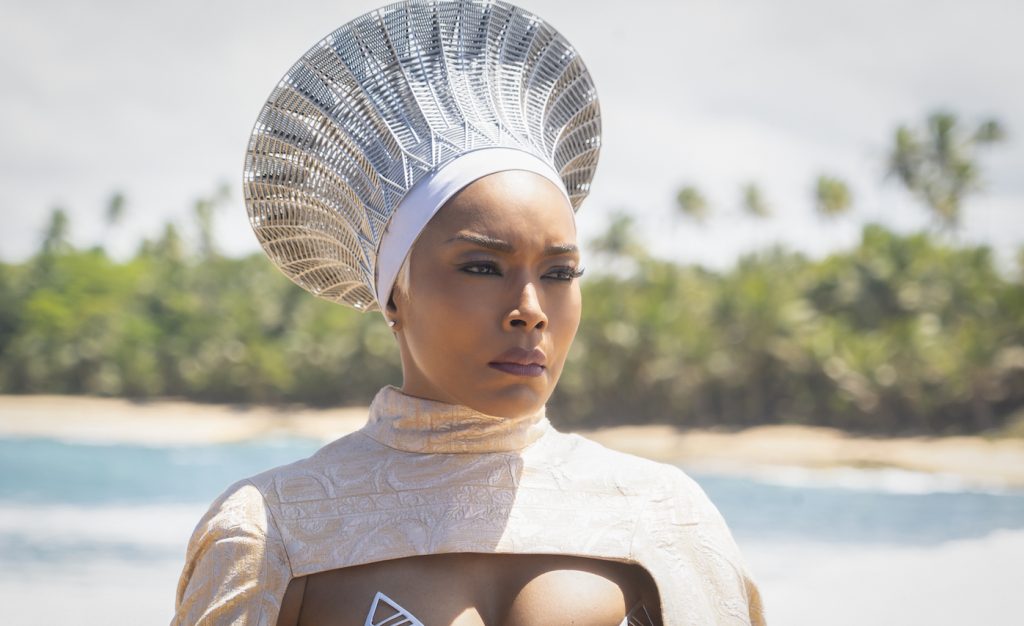
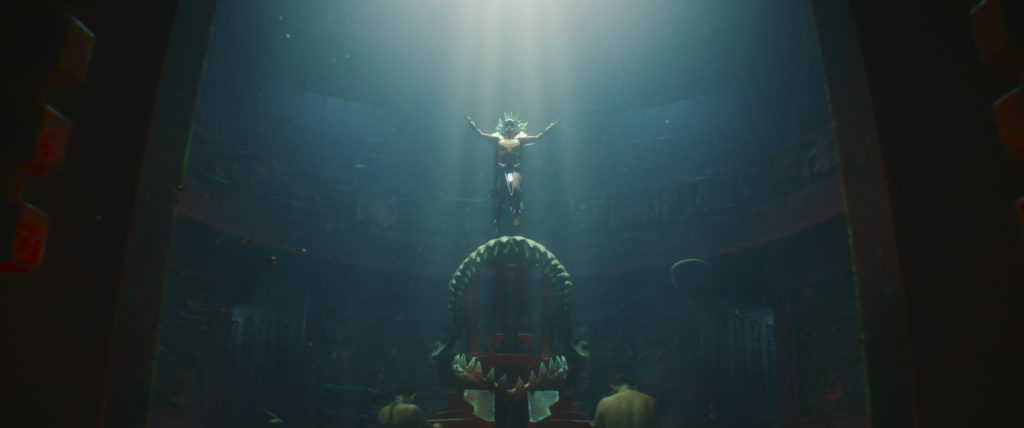
This challenge is issued by Shuri (Letitia Wright) in a new Black Panther: Wakanda Forever teaser, which Marvel released today to celebrate the film’s rapidly approaching release date just a month away. It’s a thrilling, bite-sized glimpse of the film, and it offers us a few closer looks at not only Wakandan heroes like Shuri, M’Baku (Winston Duke), Ramonda (Angela Bassett), Okoye (Danai Gurira), and newcomer Riri Williams (Dominique Thorne) but also the film’s presumed villain, Namor (Tenoch Huerta). This is who Shuri is speaking about when she says they think we’re vulnerable—it’s Namor and his vast army, which hail from the underwater kingdom of Talocan.
Why do we write “presumed” villain when speaking about Namor? Because the way director and co-writer Ryan Coogler, the cast, and Tenoch Huerta himself have talked about Namor suggests he’s not so much a villain as an immensely powerful king of his own nation trying to protect his own people. In the comics, Namor, one of Marvel’s oldest characters, has battled with Black Panther, but they’ve also been allies. In the teasers and official trailer for Wakanda Forever, Namor is being positioned as if he’s the villain, but if you’re paying close attention to the way the sequences are cut, you might notice that the reality is far less clear. In this new teaser, Namor tells Ramonda, “Wakanda will fall,” but we don’t get to hear the context of why he’s saying that. Is there a condition here, a “Wakanda will fall if” we’re not hearing? We think it’s likely.
As for Shuri, she’s going to be a huge part of Wakanda’s protection plan going forward after the loss of her brother, T’Challa (the late, great Chadwick Boseman). In the comics, Shuri becomes Black Panther, and there are indications that might be the case here. We already saw a female Black Panther arrive on the scene at the end of the official trailer, and Shuri certainly sounds like she’s ready to take on the mantle in this new teaser.
Check out the teaser below. Black Panther: Wakanda Forever hits theaters on November 11, 2022.
For more on Black Panther: Wakanda Forever, check out these stories:
Brendan Gleeson is having quite a moment. The highly regarded performer just hosted Saturday Night Live, and he’s been making the rounds promoting his starring role in director Martin McDonagh’s critically acclaimed black comedy The Banshees of Inisherin. That film, which sees Gleeson re-teaming with his In Bruges co-star Colin Farrell (which McDonagh directed), is getting serious Oscar buzz, which is no surprise considering the talent involved. It’s currently sitting at 98% fresh on RottenTomatoes.
Yet Gleeson has another little movie he’s working on, Joker: Folie á Deux, which will see him joining Joaquin Phoenix and Lady Gaga, the latter reportedly playing the Joker’s main squeeze, Harley Quinn. As Gleeson was talking to Colliderabout The Banshees of Inisherin, he did have something interesting to say about what drew him to the Joker sequel.
While most of the time an actor will tell you he wanted to board a project because of a stellar script or a deep respect for the director, which were both assuredly draws for Gleeson here, he points out the main attraction was seeing what Phoenix did in the 2019 original. Here’s what Gleeson had to say to Collider:
“It wasn’t the material, which is a great way to get me out of having to answer any questions about the criteria. It was the achievement of the first film. I worked with Joaquin before on The Village… And so I knew him from then. And that performance, I’m still in awe of it. That performance as Joker in that first movie. It was one of the most extraordinary achievements I’ve ever seen. And for Todd to have – Worked the movie around to allow for that, I didn’t have to be asked twice. I really didn’t.”
It seems like a million years ago now, but when Joker bowed in 2020, it drew a massive amount of attention, ticket sales, critical response, and, eventually, eleven Oscar nominations (with a Best Actor win for Phoenix, no less). Phillips and co-writer Scott Silver’s dark, downbeat vision for a Joker origin story had none of the superhero pyrotechnics we’re used to seeing in big-budget comic book movies. Instead, Joker was a character study of Phoenix’s Arthur Fleck, a deranged, floundering comedian and clown-for-pay swiftly losing his mind in a crime-ridden Gotham. The sequel is reportedly going to be a musical, and with Gaga and Gleeson on board, you can only imagine what kind of madness is being cooked up.
Joker: Folie á Deux is slated for an October 4, 2024 release. You can next see Gleeson in The Banshees of Inisherin, which bows on October 21, 2022.
For more on Joker: Folie á Deux, check out these stories:
Featured image: VENICE, ITALY – SEPTEMBER 05: Brendan Gleeson attends “The Banshees Of Inisherin” red carpet at the 79th Venice International Film Festival on September 05, 2022 in Venice, Italy. (Photo by Pascal Le Segretain/Getty Images)
There’s a lot of movement in next year’s movie slate. The bright news comes from Warner Bros, with the studio revealing that Denis Villeneuve’s Dune: Part Two will now open on November 3, 2023, rather than its original release date of November 17, 2023. The move comes on the heels of Marvel Studios announcing that Blade, starring Mahershala Ali, will now be pushed back from its November 3, 2023, release as the studio searches for a new director.
Dune: Part Two is going to be one of next year’s most hotly-anticipated films, coming so soon off the heels of Villeneuve’s magisterial Dune, which bowed on October 21, 2021, and became a critical and commercial hit for Warner Bros. The sequel will tackle the second half of Frank Herbert’s 1965 novel “Dune,” which Villeneuve and his co-writer Jon Spaihts so eloquently halved in their Oscar-nominated screenplay for the first film. Part Two will find Paul Atreides (Timothée Chalamet) strengthening his ties with the Fremen, led by Stilgar (Javier Bardem) as he attempts to free the planet of Arrakis from the oppressive, murderous House Harkonnen.
The returning stars of the original film joining Chalamet and Bardem are Zendaya as Chani, Rebecca Ferguson as Lady Jessica Atreides, Josh Brolin as Gurney Halleck, Stellan Skarsgård as Baron Vladimir Harkonnen, and Dave Bautista as Glossu Rabban Harkonnen.
The new members of the cast include Christopher Walken as Emperor Shaddam IV, the man who originally set up the Atreides family to be ambushed on Arrakis, Florence Pugh as his daughter, Princess Irulan Corrino, Austin Butler as Feyd-Rautha Harkonnen, the nephew of Stellan Skarsgård’s Baron Harkonnen, and Léa Seydoux as Lady Margot.
Villeneuve’s made a big bet on himself, his cast, and his crew with his original Dune, designing it as only half of the story before he was guaranteed a second film. Heck, he even put Part One at the very start of his movie. That bet paid off, with Dune winning six Oscars, with the movie moving briskly and confidently without trying to capture everything Herbert put into his iconic, long novel. Part Two will finish the saga and arguably offers some of the book’s most breathtaking, thrilling sequences. Warner Bros. made a wise decision.
For more on Dune and Dune: Part Two, check out these stories:
Featured image: Caption: Escape from a sandworm in Warner Bros. Pictures’ and Legendary Pictures’ action adventure “DUNE,” a Warner Bros. Pictures and Legendary release. Photo Credit: Courtesy of Warner Bros. Pictures and Legendary Pictures
There are times when a movie can feel like more than a movie, and that’s certainly the case with Ryan Coogler’s Black Panther: Wakanda Forever. Made in the wake of star Chadwick Boseman’s death in August of 2020, Wakanda Forever was completely re-envisioned and made into something vastly different from what the sequel was supposed to be with Boseman as its star. The result of Coogler’s work with his cast and crew will be seen in exactly a month, but a new video gives us a good sense of what it meant to the people who made the film.
“Audiences have embraced Wakanda and Black Panther, and Chadwick, he knew exactly what this story, what these images meant to the world,” Angela Bassett says at the top of the video.Bassett plays Queen Ramonda, the mother of Boseman’s T’Challa, and the woman trying to hold Wakanda together in the aftermath of his loss. This new video reveals how Bassett and other members of the Wakanda Forever cast approached the sequel without Boseman by their side.
“Chad was very much our artistic partner; I would spend time with him, just he and I talking about where we wanted to see the story go and how much he admired the other characters,” says co-writer and director Ryan Coogler.
“It was really moving to come back to Wakanda and for us to be able to do it with a sense of celebration,” says Lupita Nyong’o, who plays Nakia in the film.
“In the telling of this story, we were all able to honor him together,” Bassett adds.
Letitia Wright, who plays Shuri, T’Challa’s sister, points out that this return trip to Wakanda also includes meeting new characters, like Dominque Thorne’s Riri Williams, aka Ironheart, as well as venturing into a brand new world beneath the waves, where the film’s supposed villain, Namor (Tenoch Huerta) rules his underwater kingdom.
“Introducing Namor was a character we were really excited to portray in the film. Arguably one of the oldest comic book characters there is,” says Coogler.
“Playing a character like this—it’s a dream,” says Tenoch Huerta.
More so than any previous Wakanda Forever trailer teaser, this video seems to more clearly reveal that Namor is unlikely to be the film’s true villain. The character has been both an adversary and ally of Black Panther in the comics, and in Coogler and co-writer Joe Robert Cole’s telling, Namor is a proud king to his people, considered a living god by many, and someone who likely wouldn’t lay waste to Wakanda for purely homicidal purposes, like some previous Marvel villains we’ve seen.
There are many mysteries to be revealed in Wakanda Forever, none bigger than seeing how this talented cast and crew honored Boseman, who will step in to fill T’Challa’s role as Black Panther, and who might the real villain be if Namor turns out to be more of a friend than foe.
Check out the video below. Black Panther: Wakanda Forever opens wide on November 11.
For more on Black Panther: Wakanda Forever, check out these stories:
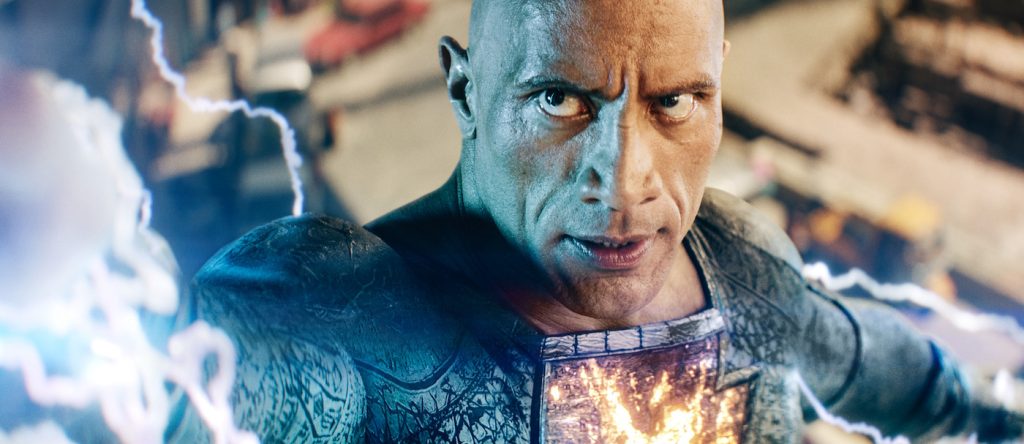
We know the core details of Black Adam’s backstory thanks to both the comics and, more crucially, the teasers and trailers that Warner Bros. has released thus far. Black Adam (Dwayne Johnson) was born a slave, executed, and resurrected by his son’s sacrifice. This is an antihero as powerful as any member of the Justice League (or the Justice Society, who we’ll get to in a minute), possibly even more so. What’s more, he’s angry. Awoken after 5,000 years of slumber, Black Adam will depict an antihero with ancient ideas about how one delivers justice and more power than anyone he comes into contact with knows how to handle.
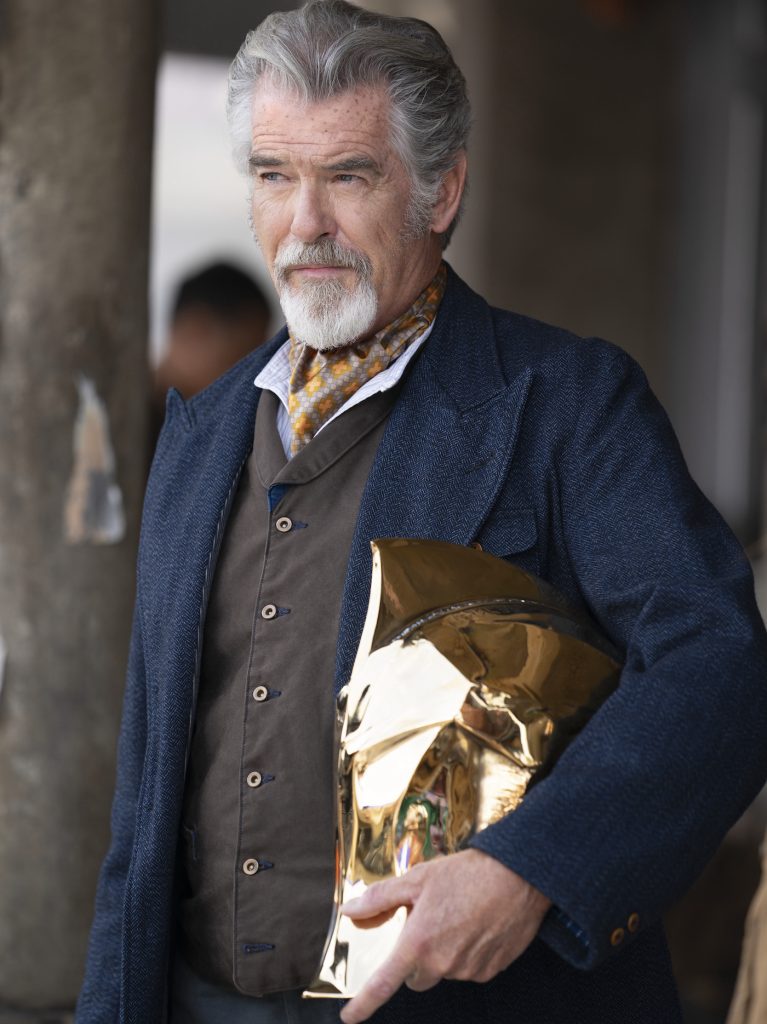
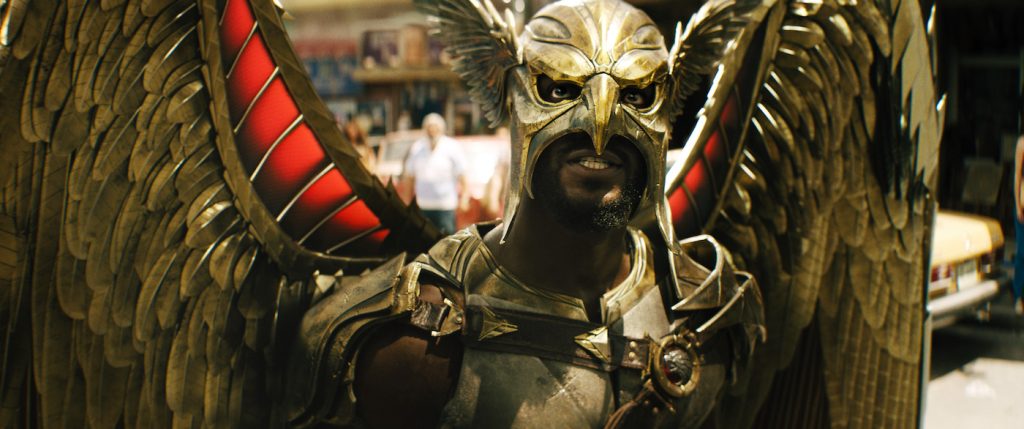
Warner Bros. has revealed a slew of new images which give us a closer look at some of the people Black Adam is about to cross paths with, most notably the Justice Society. Led by Doctor Fate (Pierce Brosnan), the Justice Society includes its own potent do-gooders; Hawkman (Aldis Hodge), Cyclone (Quintessa Swindell), and Atom Smasher (Noah Centineo). All of them are depicted below. Each of them will have to come to terms with the way Black Adam handles his business.
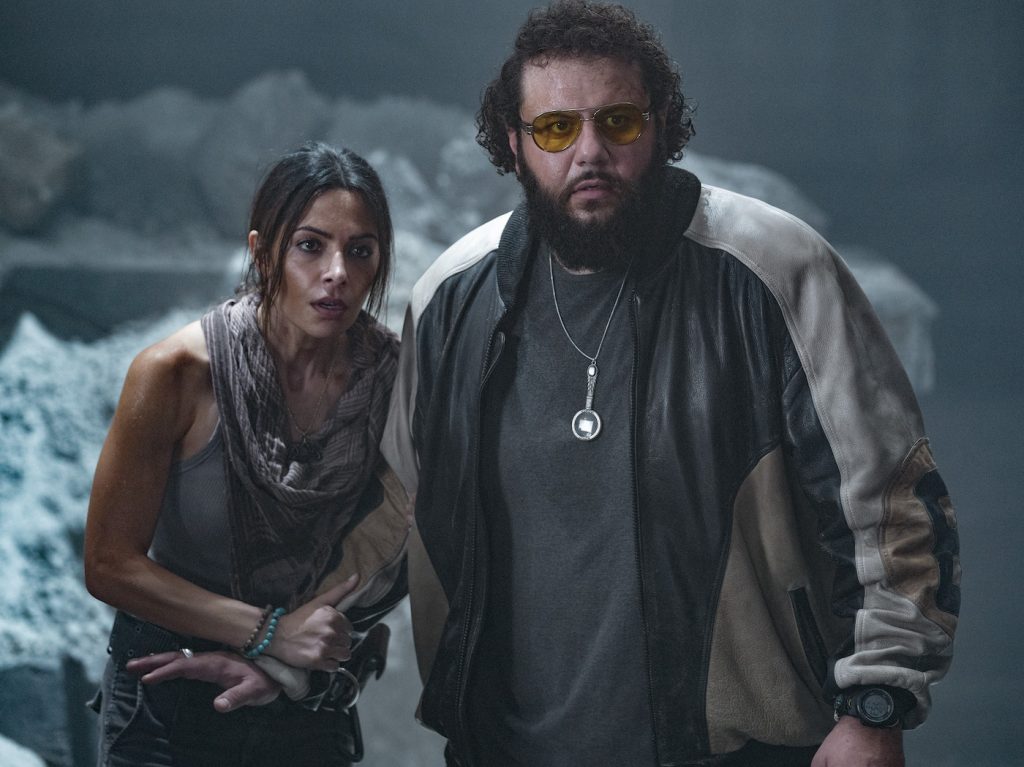
The new images also include looks at Adrianna (Sarah Shahi) and Karim (Mohammed Amer), two regular folks who will get swept up in Black Adam’s story.
This movie has been a long time coming, and at long last, we’re just a few weeks away. We’ll finally see how massive of an impact Dwayne Johnson’s arrival on the DCEU scene is and how Black Adam will fit into that interconnected ecosystem of superheroes. We know one thing for certain—Black Adam and Shazam will meet, on screen, in an epic clash.
Check out the new images below. Black Adam arrives in theaters on October 21.
Caption: (L-r) PIERCE BROSNAN as Dr. Fate and ALDIS HODGE as Hawkman in New Line Cinema’s action adventure “BLACK ADAM,” a Warner Bros. Pictures release. Photo Credit: Frank MasiCaption: DWAYNE JOHNSON as Black Adam in New Line Cinema’s action adventure “BLACK ADAM,” a Warner Bros. Pictures release. Photo Credit: Courtesy Warner Bros. PicturesCaption: (L-r) SRAH SHAHI as Adrianna and MOHAMMED AMER as Karim in New Line Cinema’s action adventure “BLACK ADAM,” a Warner Bros. Pictures release. Photo Credit: Frank MasiCaption: PIERCE BROSNAN as Dr. Fate in New Line Cinema’s action adventure “BLACK ADAM,” a Warner Bros. Pictures release. Photo Credit: Frank MasiCaption: ALDIS HODGE as Hawkman in New Line Cinema’s action adventure “BLACK ADAM,” a Warner Bros. Pictures release. Photo Credit: Courtesy Warner Bros. PicturesCaption: NOAH CENTINEO as Atom Smasher in New Line Cinema’s action adventure “BLACK ADAM,” a Warner Bros. Pictures release. Photo Credit: Frank MasiCaption: QUINTESSA SWINDELL as Cyclone in New Line Cinema’s action adventure “BLACK ADAM,” a Warner Bros. Pictures release. Photo Credit: Frank MasiCaption: (L-r) PIERCE BROSNAN as Dr. Fate and DWAYNE JOHNSON as Black Adam in New Line Cinema’s action adventure “BLACK ADAM,” a Warner Bros. Pictures release. Photo Credit: Frank MasiCaption: PIERCE BROSNAN as Dr. Fate in New Line Cinema’s action adventure “BLACK ADAM,” a Warner Bros. Pictures release. Photo Credit: Courtesy Warner Bros. PicturesCaption: QUINTESSA SWINDELL as Cyclone in New Line Cinema’s action adventure “BLACK ADAM,” a Warner Bros. Pictures release. Photo Credit: Courtesy Warner Bros. Pictures
Featured image: Caption: DWAYNE JOHNSON as Black Adam in New Line Cinema’s action adventure “BLACK ADAM,” a Warner Bros. Pictures release. Photo Credit: Courtesy Warner Bros. Pictures
Kenneth Branagh is slipping back into a dual role that he’s come to know inside and out—directing and starring in his third Hercule Poirot murder mystery for 20th Century Studios. A Haunting in Venice will make the esteemed performer and auteur’s Agatha Christie adaptations a proper trilogy, and he’s bringing along another A-list cast of suspects to populate his whodunit.
Following Branagh’s first two Christie adaptations, Murder on the Orient Express (2017) and Death on the Nile (2022), A Haunting in Venice will take the action to that iconic, shadowy jewel of a city on the Adriatic Sea. A Haunting in Venice will boast a delicious menu of potential murder suspects, including Tina Fey, Michelle Yeoh, Jamie Dornan (re-teaming with Branagh after starring in Belfast), Jude Hill, and Kelly Reilly. They’ll all join Branagh, along with Riccardo Scamarico, Ali Khan, Camille Cottin, Kyle Allen, and Emma Laird. It remains a mystery, for now, who these folks are playing.
Branagh’s third trip into Agatha Christie’s gem-sharp world of betrayal, murder, and meticulous attention to detail by her formidable sleuth is set to begin production this Halloween. It’s a fitting start date for a film inspired by Christie’s 1969 novel “Hallowe’en Party.”
Christie’s novel is kickstarted by a 13-year-old girl who’s found dead in an apple-bobbing tub. The young girl had previously claimed she’d witnessed a murder when she was younger, so her own demise now reeks of a killer tying up loose ends. The adaptation is being written by Michael Green, and 20th Century Studios has revealed A Haunting in Venice‘s logline:
“Now retired and living in self-imposed exile in the world’s most glamorous city, Poirot reluctantly attends a séance at a decaying, haunted palazzo. When one of the guests is murdered, the detective is thrust into a sinister world of shadows and secrets.”
Poirot retired in Venice? That sounds about right, but if he really wanted to stay retired, shouldn’t he have gone to some small, remote village where the chances of foul play were far less than that infamously seductive, sin-filled city? Nevertheless, the mustachioed master detective is back.
“This is a fantastic development of the character Hercule Poirot, as well as the Agatha Christie franchise,” said Branagh in a statement. “Based on a complex, little-known tale of mystery set at Halloween in a pictorially ravishing city, it is an amazing opportunity for us, as filmmakers, and we are relishing the chance to deliver something truly spine-chilling for our loyal movie audiences.”
For more stories on Century Studios, Searchlight Pictures, Marvel Studios, and what’s streaming or coming to Disney+, check these out:
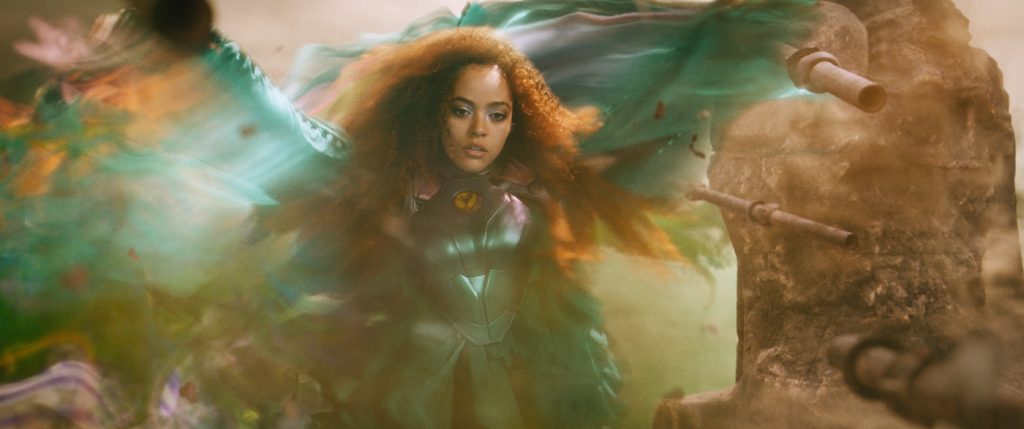
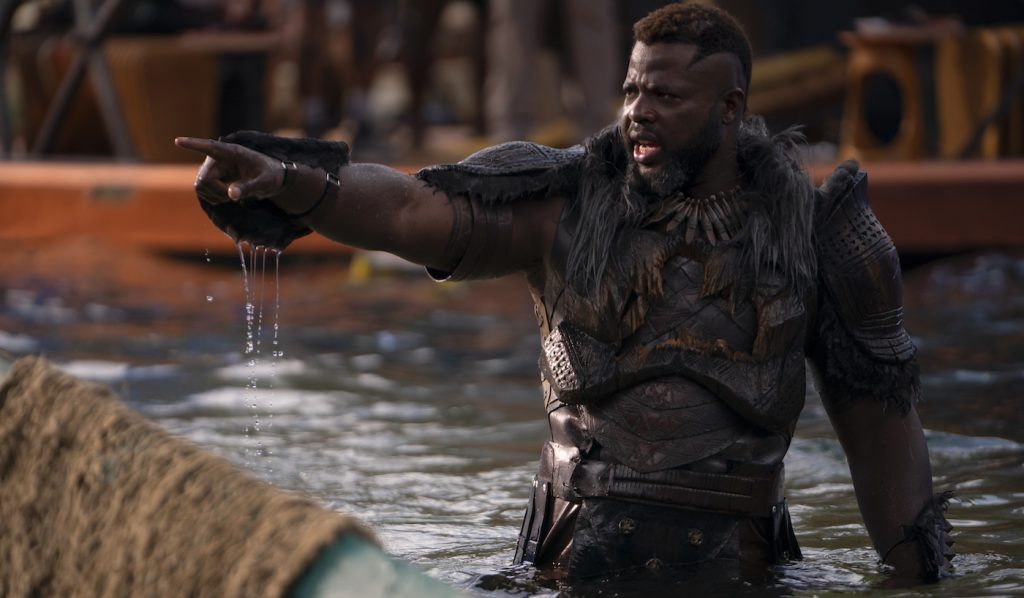
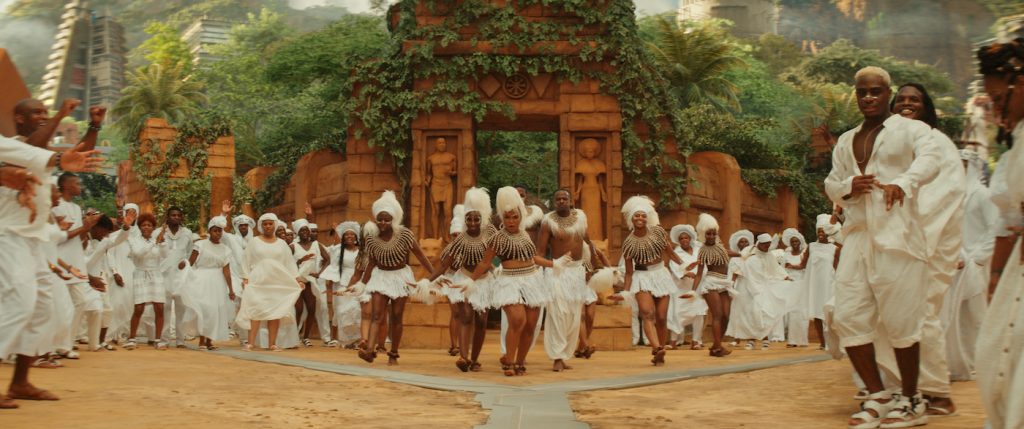
With co-writer/director Ryan Coogler’s Black Panther: Wakanda Forever now just a month away, the Marvel Cinematic Universe is about to enter Phase Five. Coogler’s film, the last installment in the MCU’s Phase Four, was always going to expand the world of Wakanda that he and his creative team explored so masterfully in 2018’s Black Panther, but that was a world led by Chadwick Boseman’s T’Challa. With Boseman’s tragic passing in August of 2020, Coogler and his Wakanda Forever cast and crew had to reimagine what that world would look like without Boseman. The results will be seen when the film bows on November 11, and new images (and the recent official trailer) reveal that it’ll be led by the women of Wakanda.
The images do include one great shot of M’Baku (Winston Duke), the leader of the Jabari Tribe, a key figure in Wakanda, and a crucial ally in the fight ahead in Wakanda Forever.
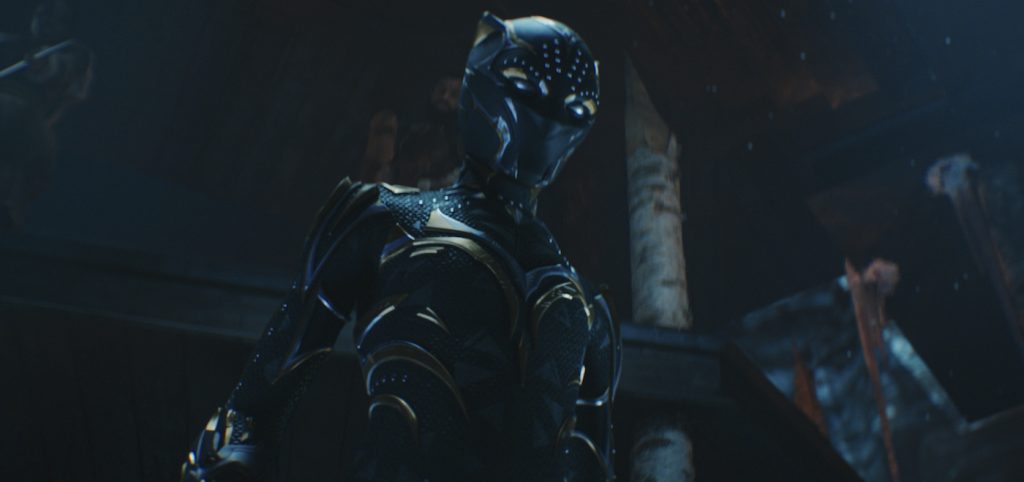
Yet, by and large, the images show how it’s the women of Wakanda who will shape the future of the technologically advanced society. We already saw that a new female Black Panther will be revealed in Wakanda Forever—in the comics, it was Shuri, T’Challa’s sister, depicted in the films by Letitia Wright. While Shuri seems like a safe bet, there are other candidates, including Okoye (Danai Gurira) and Nakia (Lupita Nyong’o), both of whom are more than capable.
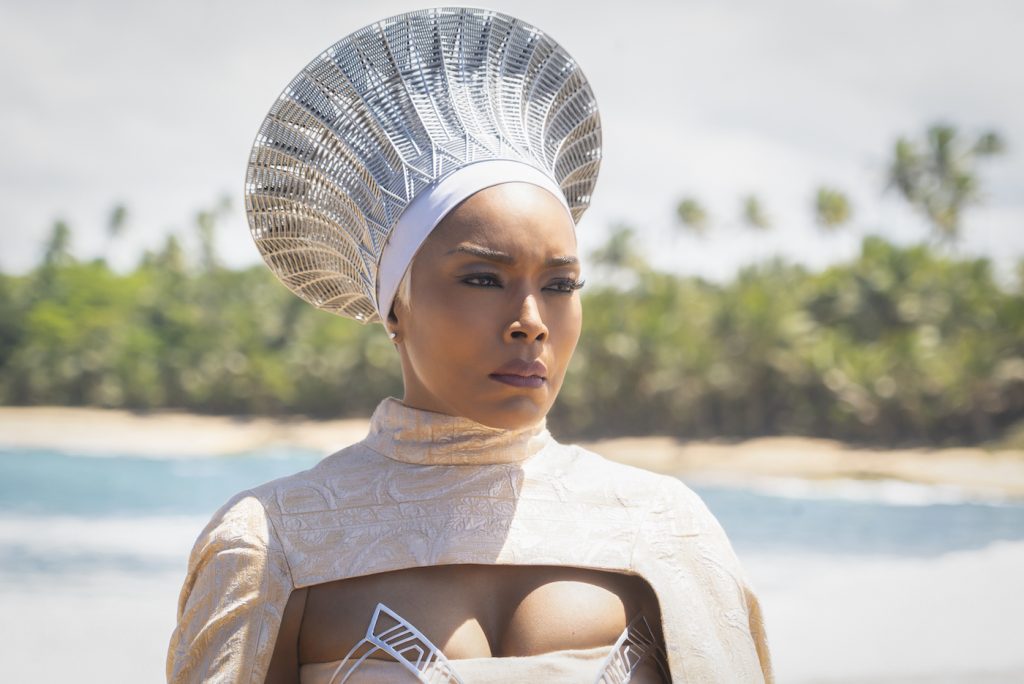
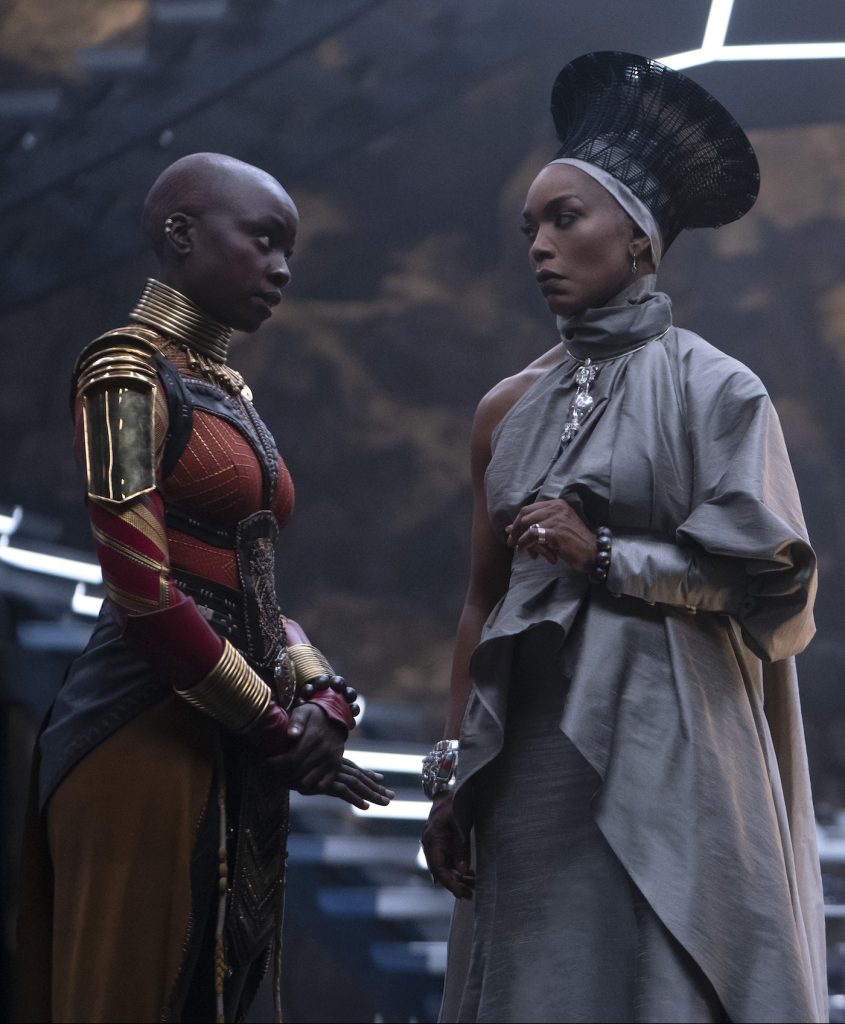
The new images include the main photo in this article, which shows Okoye and Shuri in street clothes and wearing shades, presumably on a mission outside of Wakanda. There are also two great shots of Queen Ramonda (Angela Bassett), T’Challa’s mother, and the most potent voice we’ve heard thus far in the teaser and official trailer.
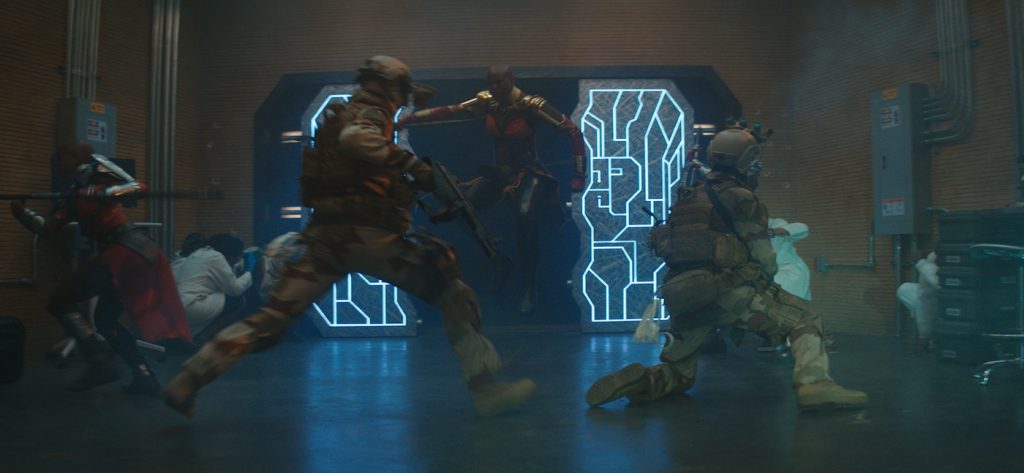
In the above image, we see Okoye and Ramonda in conversation; in another image, we’ve got Okoye showing us why she’s the leader of the Dora Milaje, Wakanda’s fiercest sworn protectors and special forces.
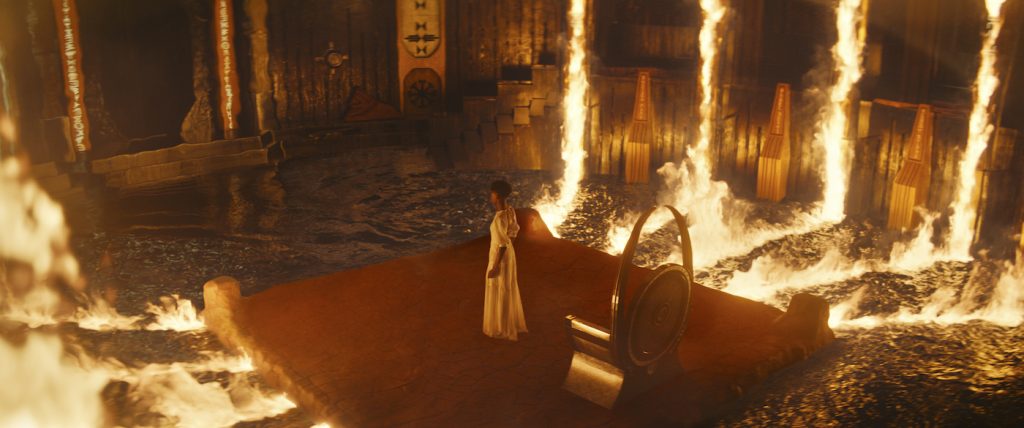
In another new image, Shuri stands in a burning throne room, looking very much like the picture of a person embarking on a dangerous, transformative journey—perhaps prior to becoming the new Black Panther.
The MCU’s Phase Four has seen a lot of changes, as well as the birth of Marvel’s Disney+ series, greatly expanding the universe. But it’s been the most bittersweet phase due to Boseman’s passing, and it seems fitting that Wakanda Forever will end one era for the super studio and begin another. Phase Five will continue the MCU’s expansion into a more diverse universe, with the Nia DaCosta-directed The Marvels, the introduction of Mahershala Ali as Blade, and the first feature film starring Anthony Mackie as the new Captain America in Captain America: New World Order. While Wakanda Forever marks the end of Phase Four, its diverse cast and crew, and its powerful female characters, point to the future of the MCU.
For more on Black Panther: Wakanda Forever, check out these stories:
The Planet of the Apes franchise is getting a new installment. Kingdom of the Planet of the Apes has begun production at Disney Studios in Australia (formerly Fox Studios in Australia) in Sydney. This new installment will begin an all-new chapter in the epic saga that was last directed by The Batman helmer Matt Reeves in his excellent 2017 trilogy capper War for the Planet of the Apes.
Kingdom of the Planet of the Apes is being directed by Wes Ball (director of the Maze Runner trilogy) from a script by Josh Friedman, Amanda Silver, Rick Jaffa, and Patrick Aison. The creative team is taking on one of the most iconic franchises of them all, one that has spanned generations, starting with the first film, Planet of the Apes, which arrived in 1968 and starred Charlton Heston, was a huge hit that spawned four theatrical sequels, two TV series. Then came Tim Burton’s 2001 remake of Planet of the Apes, followed by the critically and commercially successful reboot, begun in 2011, with director Rupert Wyatt’s Rise of the Planet of the Apes, followed by Matt Reeves’s Dawn of the Planet of the Apes (2014) and War for the Planet of the Apes.
Here’s what Steve Asbell, the President of 20th Century Studios, said about the new film in a statement: “We’re thrilled to be in Sydney filming Kingdom of the Planet of the Apes at the world-class Disney Studios Australia. Planet of the Apes is one of the most iconic and storied science fiction franchises in film history and an indelible part of our studios’ legacy. The extraordinary director Wes Ball and cast and crew are continuing the series’ tradition of imaginative, thought-provoking cinema. We can’t wait to share this new chapter with audiences in 2024.”
For more stories on Century Studios, Searchlight Pictures, Marvel Studios and what’s streaming or coming to Disney+, check these out: