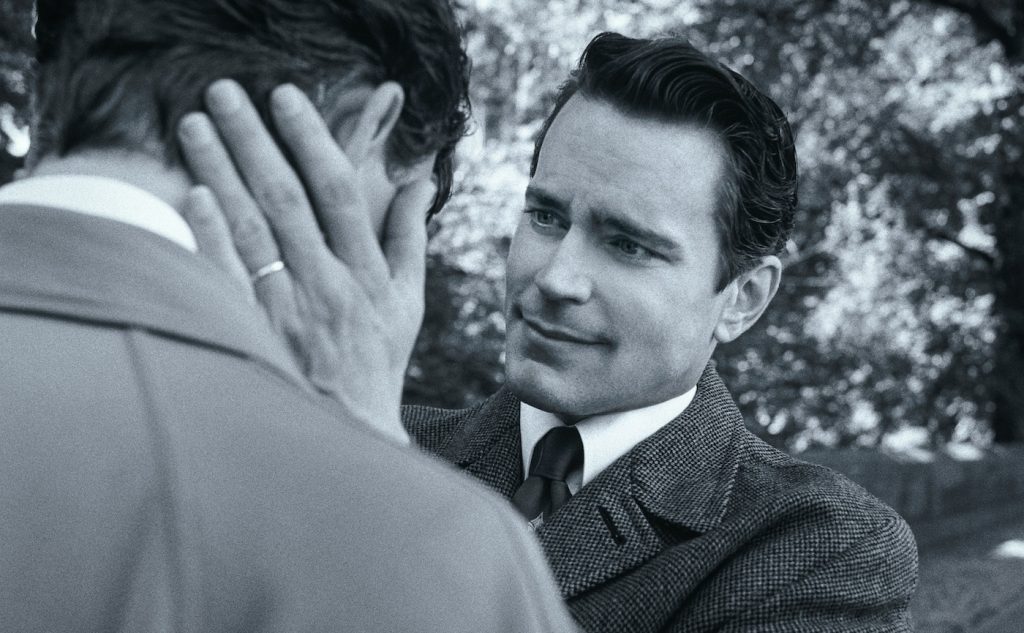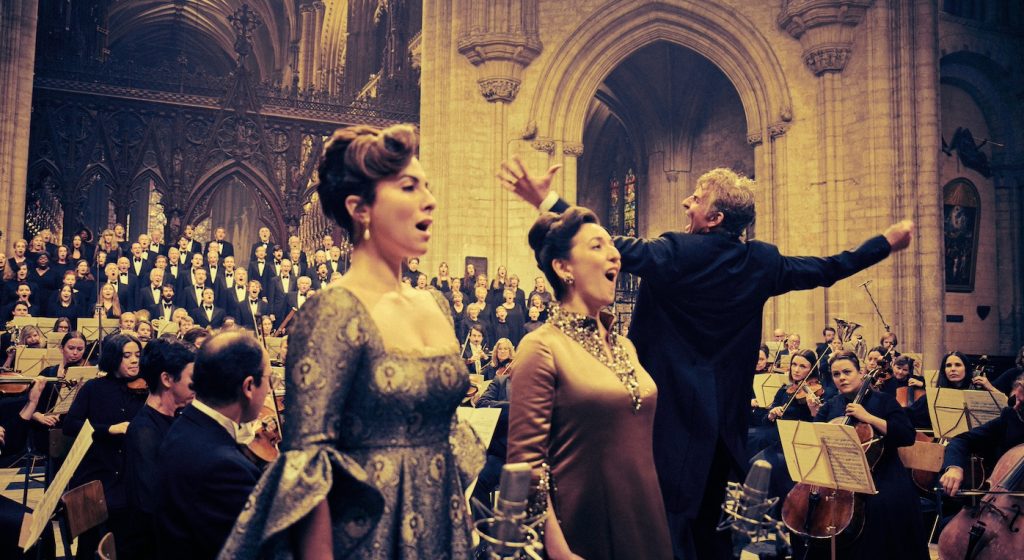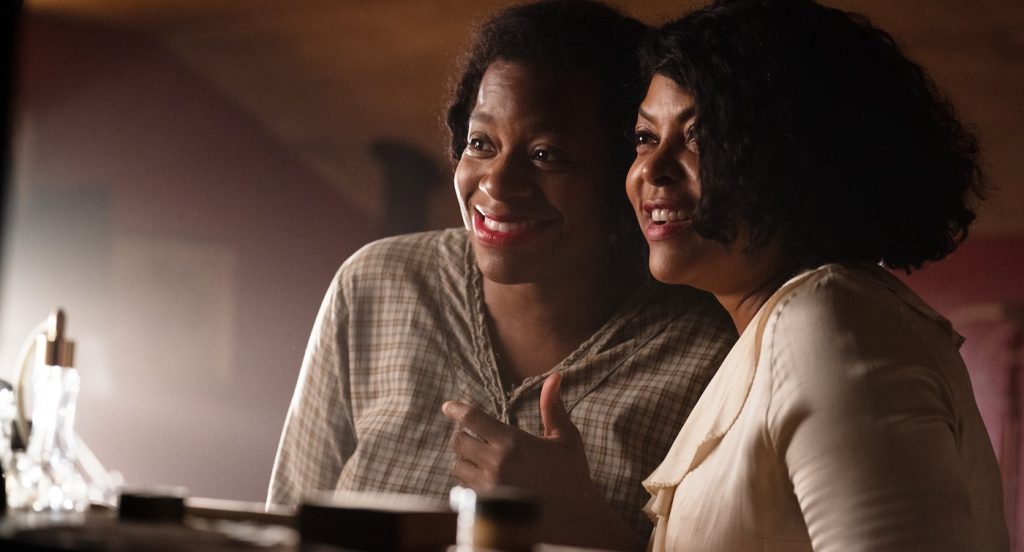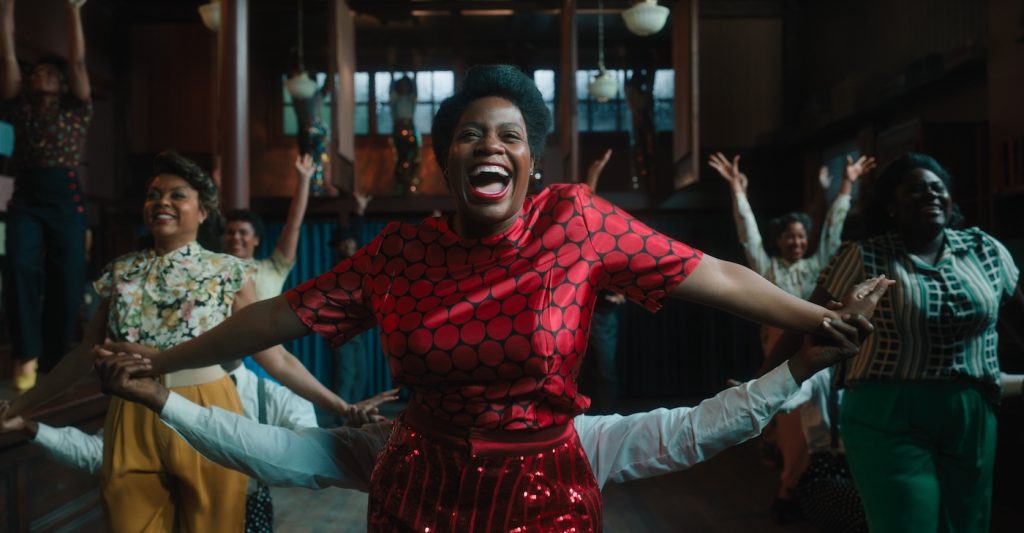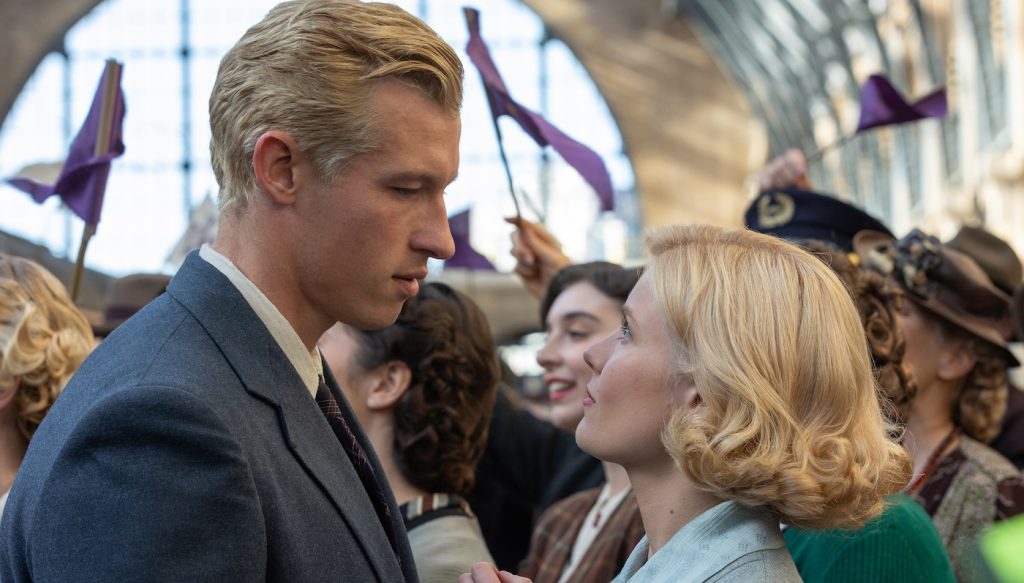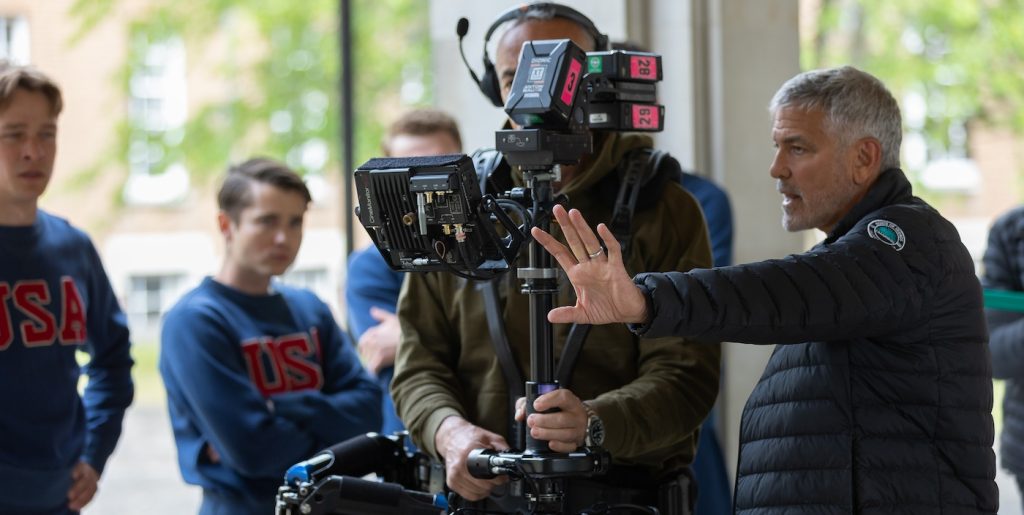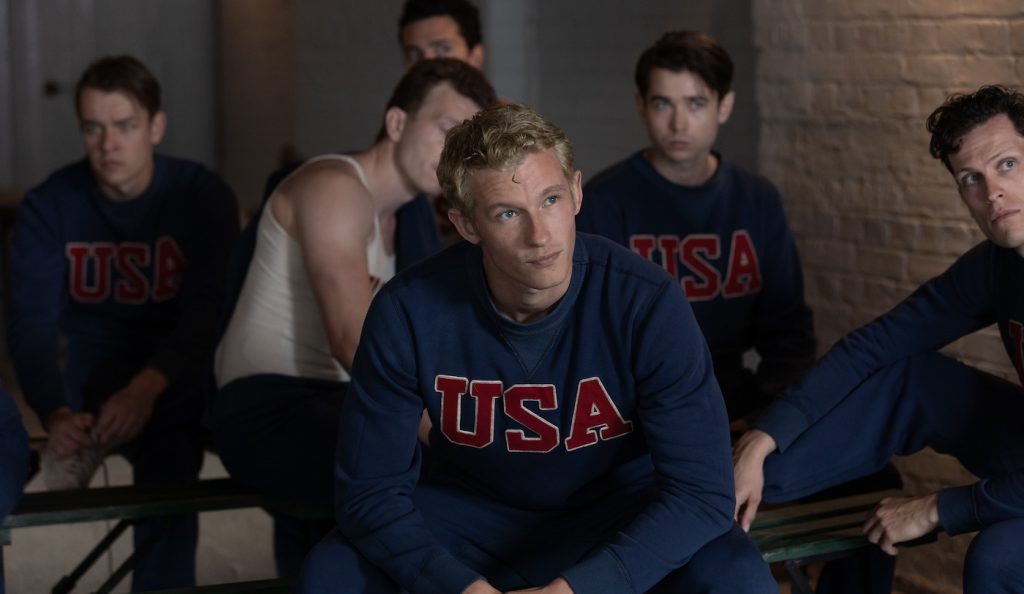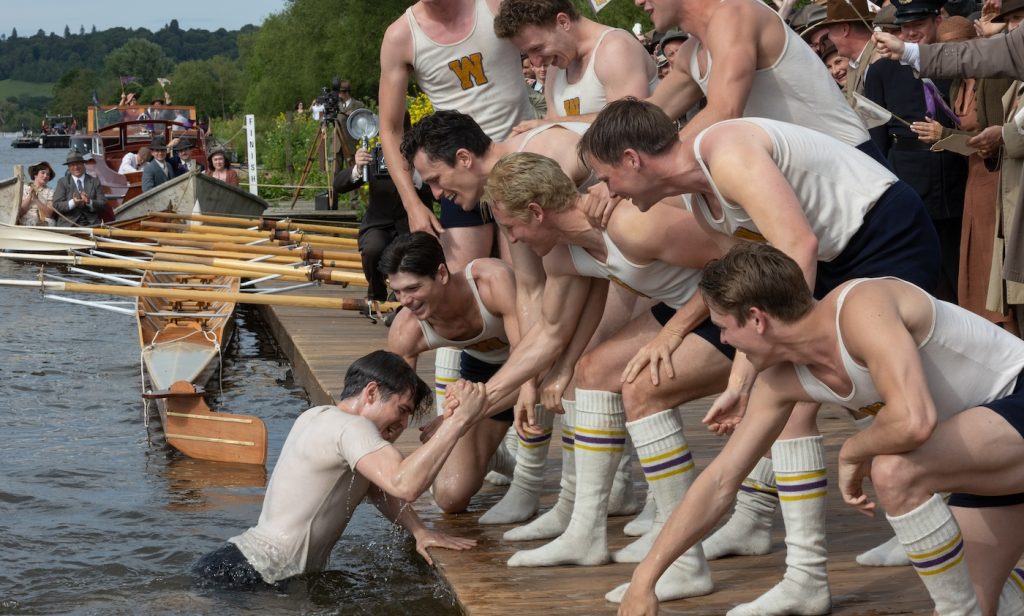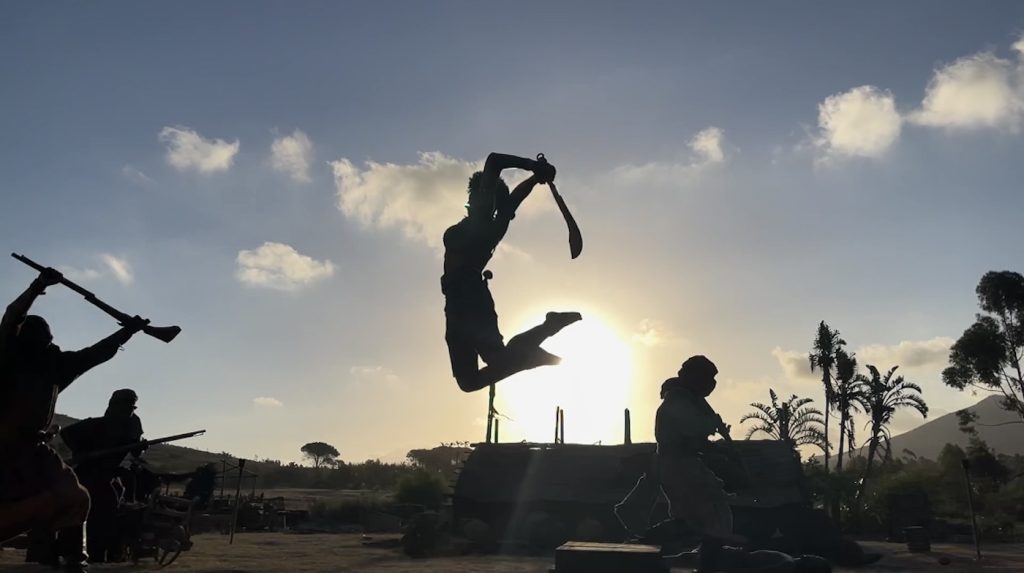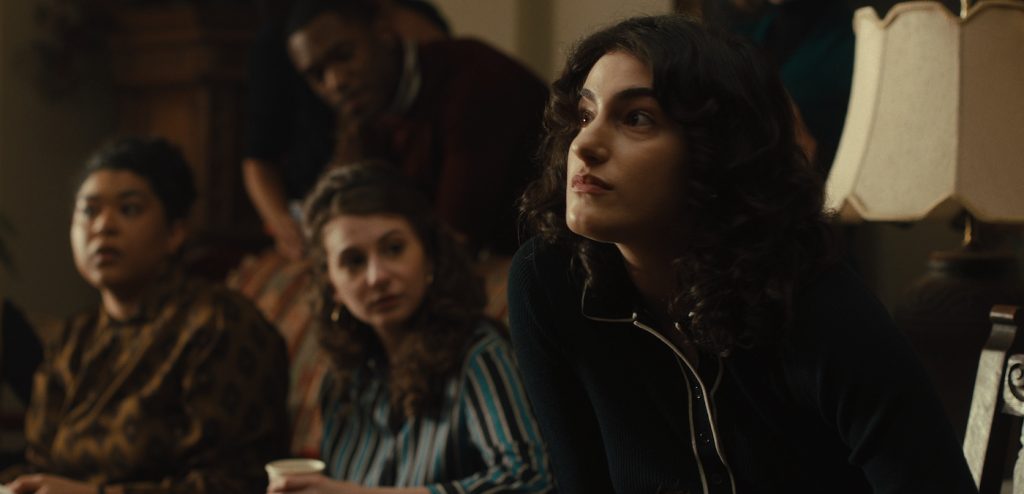
The first trailer for J.A. Bayona’s Society of the Snow has arrived, revealing a glimpse at Bayona’s take on one of the most notorious aviation disasters and stories of survival of all time, the crash of Uruguayan Air Force Flight 571 in 1972 that was carrying a rugby team. The plane crashed in the Andes, with only 29 out of 45 passengers surviving. For those who made it onto the ground alive, their challenges were only beginning, as the brutal high Andean environment pushed them to their limits and forced the survivors into making some heartbreaking decisions to carry on. Their story was previously dramatized in director Frank Marshall’s 1993 film Alive, which starred Ethan Hawke.
Bayona directs from a script he co-wrote with Nicolás Casariego, Jamie Marques-Olearraga, and Bernat Vilaplana, based on a book by Pablo Vierci. Spain has already chosen Society of Snow for entry for this year’s Best International Film Oscar.
The film has been a decade in the making for Bayona, who was determined to film it in Spanish with an unknown cast. “It was important to be as close to reality as possible,” Bayona told IndieWire. “It was also important to have a cast that will speak using their accents, an unknown cast, because the more unknown the faces were, the more realistic the approach will be.” The cast includes Enzo Vogrincic, Agustín Pardella, Matías Recalt, Esteban Bigliardi, Diego Vegezzi, Fernando Contigiani García, Esteban Kukuriczka, Rafael Federman, Francisco Romero, Valentino Alonso, Tomás Wolf, Agustín Della Corte, Felipe Otaño, Andy Pruss, Blas Polidori, Felipe Ramusio, and Simón Hempe.
Bayona got experience shooting major blockbusters—Jurassic World: Fallen Kingdom and two episodes of Amazon’s The Lord of the Rings: The Rings of Power—which gave him the large-scale chops he needed to complete this incredibly difficult shoot. “We thought we were going to be shooting this much sooner,” Bayona told IndieWire. “But this is the journey. And what we shot in Hollywood allowed us to to be shooting Society of the Snow the way we wanted to do it.”
Check out the trailer below. Society of the Snow hits select theaters in December, then Netflix on January 4.
Here’s the official synopsis:
In 1972, the Uruguayan Air Force Flight 571, chartered to fly a rugby team to Chile, catastrophically crashes on a glacier in the heart of the Andes. Only 29 of the 45 passengers survived the crash and finding themselves in one of the world’s toughest environments, they are forced to resort to extreme measures to stay alive.
For more on big titles on Netflix, check these out:
Many major players wanted Kim Kardashian’s The Fifth Wheel, but Netflix has won the honor.
Deadlinereports that Netflix emerged victorious after a very competitive bidding war that saw five bids from suitors, including streamers and theatrical distributors. The Fifth Wheel will star Kardashian and was written by Janine Brito and Paula Pell, the latter of whom will produce alongside Kardashian. Deadline‘s reporting includes intel that Kardashian was very involved in the process of selling the female-driven comedy, appearing at the pitch meetings.
Little is known about Kardashian’s project, except that she will play the titular fifth wheel and star alongside an ensemble female cast. Deadline also writes that the speed with which this all happened was remarkable—Pell and Brito conceived the idea, pitched Kardashian “almost immediately after the strike ended,” and within days, they presented their package to the market, and it quickly became the first post-strike sale.
Kardashian’s production of The Fifth Wheel brings her considerable marketing savvy and clout to the project. The Fifth Wheel landed in Netflix’s mid-budget tier, scooped up by Niija Kuykendall at the streamer. It joins other mid-budget films like the romance Lonely Planet, starring Laura Dern and Liam Hemsworth; the romantic comedy A Family Affair, starring Nicole Kidman, Zac Efron, and Joey King; and Dan Levy’s directorial debut Good Grief, which stars Levy, Ruth Nega, Himesh Patel, and Luke Evans, and Tyler Perry’s Six Triple Eight starring Kerry Washington.
Kardashian recently received the best acting notices of her career after her performance as a publicist in the most recent season of FX’s American Horror Story. In Pell, Kardashian is working with one of the most seasoned comedy writers out there, having worked on SNL and then 30 Rock and penning the sibling comedy Sisters, starring Tina Fey and Amy Poehler. Brito wrote on NBC’s Mr. Mayor, stars in the Peacock series Girls5Eva , and appeared in Netflix’s Wine Country. Pell and Brito are married.
For more on big titles on Netflix, check these out:
Featured image: NEW YORK, NEW YORK – APRIL 25: Kim Kardashian speaks onstage at the 2023 TIME100 Summit at Jazz at Lincoln Center on April 25, 2023 in New York City. (Photo by Jemal Countess/Getty Images for TIME)
Good news, symbiote fans! Tom Hardy has revealed that production on Venom 3 is back at it. Hardy’s Eddie Brock and his alien alter ego Venom will be serving up a fresh film in late 2024.
Hardy took to social media this past Friday to share a photo and announce that production on the third film in the franchise has started back up again thanks to the resolution of the 118-day actors strike.
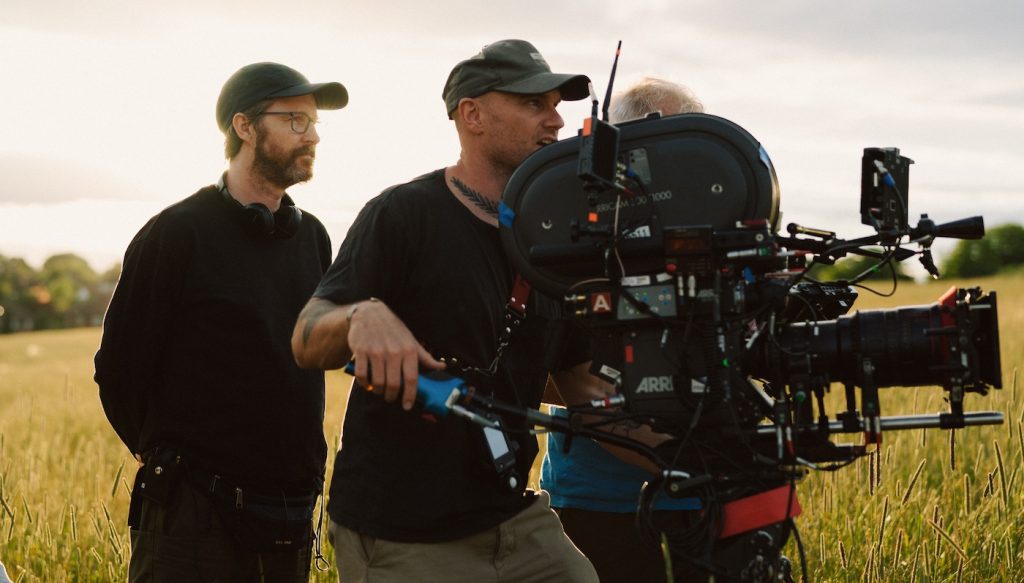
“The Last dance — thankfully we are back to shooting,” Hardy wrote in an Instagram post, which showed a photo of himself, co-writer/director Kelly Marcel, and stunt double Jacob Tomuri. “It’s been and continues to be a lot of fun this journey — there’s always hard turns to burn when we work but doesn’t feel as hard when you love what you do and when you know you have great material and the support at all sides, of a great team.”
Here’s the image Hardy shared:
L-r: Kelly Marcel, Tom Hardy, and Jacob Tomuri. Courtesy Tom Hardy.
Hardy paid special mention to Marcel, who is a longtime Venom scribe and is now finally directing a feature herself:
“I want to mention very briefly how proud of my director, writing partner and dear friend Kelly Marcel I am,” Hardy wrote, “watching you taking the helm on this one fills me with pride, it is an honour. Trust your gut, your instincts are always spot on.”
Venom 3 will find Hardy’s Eddie Brock/Venom mixing it up with some new friends, including Juno Temple and Chiwetel Ejiofor. The film was initially slated for a July 12, 2024, release date, but the dual strikes pushed it back, so now you can expect it on November 8, 2024.
For more upcoming films from Sony Pictures, check out these stories:
A maverick teacher challenges the norms at an elementary school in the border town of Matamoros in northern Mexico. Such is the fact-based story that unfolds in Radical (in theaters now), led by Mexican star Eugenio Derbez (Coda, Instructions Not Included) in a film directed by Chris Zalla (Blood of My Blood).
The teacher, Sergio Juarez Correa (Derbez), aims to teach his students lessons that will help them navigate the difficult world outside the classroom, with their school situated along the Rio Grande across from Brownsville, Texas, a place where extreme violence is common thanks to the drug wars happening all around them. [The film is set in 2011, at the height of the violence.]
Crucial to the success of Radical is cinematographer Mateo Londono (The Valet, There Are No Saints), who shaped the rich visual narrative on display in Zalla’s film. Londono deployed vintage lenses and minimalistic lighting to create an authentic visual palette to bring Radical to life and integrate personal insights with Zala’s well-defined vision for the script.
“(Chris) has a fascinating way of building characters, through the use of details…and I made it part of the visual language of the film.”
For strategic planning, a shot list guided the process, focusing on blocking rather than storyboarding. This flexible approach allowed a balance between structure and spontaneity, which is particularly crucial in Zalla’s story about
“One of the most important aspects of the look of the film is that it’s spontaneous, and we did not want to kill that spontaneity, especially working with the kids. Scenes involving adult actors followed a more classic construction.”
Although the film unfolds in Matamoros on the Texas border, the actual shooting occurred in Veracruz, Mexico, where the waters of the Gulf of Mexico vary in moods — from Caribbean-like hues on some days to a more muted, brownish tone on others. A meticulous color correction process sought to unify them, ensuring a seamless portrayal of the film’s visual narrative.
Mateo Londono on set of “Radical.” Courtesy Pantelion Films.
“Blue symbolized possibility, while red conveyed the opposite. Those were the only colors that we gave an intentional meaning to.” Commenting on the almost muted shades of the film, he elaborated: “We tried to be very minimalistic…we intentionally avoided saturated colors. We actually tried to desaturate colors quite a bit. Not because we’re trying to make it look gritty but simply because we didn’t want it to be distracting. In this film, we tried to be as restrained as we could. We wanted the film to really be about the kids.”
Eugenio Derbez is Sergio in ‘Radical.’ Courtesy Pantelion Films.
The cinematographer honed in on the central theme of portraying life through the lens of the children. This deliberate choice, driven by the narrative’s focus on the trio of main characters – Paloma [Jennifer Trejo], Lupe [Mia Fernanda Solis], and Nico [Danilo Guardiola] – shaped the film’s language, with particular attention to the camera’s positioning. The majority of scenes involving the children maintained a low angle. “If you see any pictures of the behind the scenes of any of the camera operators, cameras are always by the belt, at the kids’ heights. We actually even measured our kids’ heights to have a range of where we wanted the camera to be.”
Danilo Guardiola is Nico and Mia Fernanda Solis is Lupe. Courtesy Pantelion Films.
The commitment to authenticity went beyond just camera placement and included a deliberate effort to avoid staged setups. This allowed the audience to experience the scene as if they were students in the classroom, a focal point that plays a substantial role in the film’s overall duration.
Capturing Radical‘s spontaneous essence involved a collaborative effort with skilled Mexican camera operators who brought a wealth of experience to the table. Utilizing two main cameras throughout the film, with an additional third camera dedicated to classroom scenes, Londono embraced a hands-on approach with the operators. Providing basic instructions while allowing them creative freedom, the collaboration resembled a dynamic interplay.
Eugenio Derbez is Sergio in “Radical.” Courtesy Pantelion Films.
Most of the kids had no prior acting experience and were unfamiliar with film cameras, which required a delicate approach. To mitigate any disruptions, the cameras were meticulously configured for minimal intrusion, with custom-built backpacks allowing the operators to seamlessly blend in with the kids. This strategy proved essential in fostering a natural environment, gradually easing the children into the filmmaking process.
To address the challenge of lighting the classrooms authentically, the cinematographer described a collaborative approach, emphasizing the minimal use of interior lighting. “We had lighting on both sides of the classroom, but we rarely put any lighting inside,” the cinematographer explained, highlighting a conscious effort to maintain authenticity. “A school with this budget would not randomly have their lights on all the time. We ultimately made the decision that the lights were just off all the time and that the light was coming from outside.”
Eugenio Derbez is Sergio in “Radical.” Courtesy Pantelion Films.
The cinematographer outlined his method in the intricate dance of capturing classroom scenes. “We put the three cameras on one side of the class and lit from that side. They had a 180-degree view to shoot. When we felt we had most of the scenes from that side, we turned the cameras to the other side, switched our lighting, and shot in that direction. Most classroom scenes followed this approach.”
On the set of “Radical.” Courtesy Pantelion FIlms.
The cinematographer acknowledged the initial challenge of relinquishing control by discussing the departure from the classic Hollywood style. “But one of the first things I had to do on this film was let go of control and let it happen more,” Londono said.
Detailing the commitment to minimalism, Londono and his gaffer deliberated on every scene, aiming for the “minimum amount of light.” He explained: “We were minimalistic where we could be and then where we couldn’t, we made sure that nothing ever looked fake. And that even went all the way to defining our choice of lenses.” This deliberate choice steered away from a clinically clean appearance that might compromise the film’s emotional impact. “They don’t match as well between each other; distortions are a little more exaggerated. They would flare differently.”
Mia Fernanda Solis and Jennifer Trejo in “Radical.” Courtesy Pantelion Films.
The discussion also delved into the film’s representation of harsh realities, emphasizing the director’s vision to maintain hope despite challenging circumstances. Scenes set in seemingly bleak locations, such as a trash dump, were intentionally framed to preserve optimism. The use of the sky as a visual element played a crucial role in conveying optimism and moving away from bleakness. Specific scenes, like Paloma taking Nico to the top of the trash pile, strategically utilize the sky to symbolize possibility and maintain a hopeful tone.
Reflecting on his responsibility in Radical, Londono reflected, “As a director of photography, you’re always inclined to want to make people look their best… to show off, but I think part of your job is to not stand in the way of the story.”
Eugenio Derbez is Sergio in “Radical.” Courtesy Pantelion Films.
At the end of our conversation, I asked Londono to use three words to describe the photography. Optimistic came rapidly as number one. After battling with how accurate “organic” would be but how cliche it sounds, “spontaneous” emerged as number two. And right after asking me what my pick was (it was “minimalistic”), he went for “restrained.” “I like restraint. And I think that it’s the hardest thing to do.”
It has been a very busy year for Brazilian-American film editor Affonso Gonçalves, from last fall’s twisted psychological drama Don’t Worry Darling to this year’s doppelgänger medical chiller Dead Ringers and queer wrestling biopic Cassandro. Last week, he returned with director Todd Haynes’ quietly disturbing psychological drama May December.
They have developed a shorthand after working with Haynes on six projects — including the Oscar-nominated Carol and the Emmy-winning Mildred Pierce. To focus on the demands of filming, Haynes does not watch dailies while he is shooting unless there is a technical problem or a performance issue, choosing to rely on his go-to editor instead. “He doesn’t like to watch the dailies, so I’m basically his eyes and ears while he is shooting. I’m cutting as they’re shooting, so by the time they finish, I have a cut ready to go,” Gonçalves reveals. “Then, once he’s done, he will watch all the dailies on DVDs by himself and puts together a version of the film that he has in mind. And then, we combine those and make a third and final version of the movie.”
Over the weekend at Deadline’s Contenders Film L.A., Haynes remarked that the film is about “the stories we tell ourselves” in a desperate attempt “to survive our lives.” Loosely based on the Mary Kay Letourneau case that was major 1990s tabloid fodder, the film follows 59-year-old Gracie (Julianne Moore), a housewife who appears happily married to 36-year-old husband, Joe Yoo (Charles Melton), and their three college-age kids.
The façade of domestic bliss begins to crack with the arrival of TV actress Elizabeth (Natalie Portman) — who will be playing Gracie in an upcoming indie film — when we learn that the relationship began when Joe was just 13 years old (they met at a pet store) and one of their children was born behind bars. Hoping to launch her film career, Elizabeth will stop at nothing to nail her role as she seeks to ingratiate herself into the family’s lives, reawakening old wounds and traumas in her wake.
Cinematic influences incorporated into the film include Ingmar Bergman’s Persona, Autumn Sonata, and Winter Light, as well as some of Jean-Luc Godard’s repertoire. “We don’t just talk about how we’re going to cut the film; there’s so much discussion about other films and ideas on sound and music, too. So, it’s always fun for me because I end up learning so much,” Gonçalves shares.
But it was Michel Legrand’s score for the 1971 Joseph Losey period drama, The Go-Between, that made an immense, singular impact. “The music was something Todd had in mind even before we started shooting. He wrote down in the script which part of the [1971 original] soundtrack should be used for each scene,” Gonçalves recalls. The jarring, portentous, and sometimes melodramatic music was exactly what Haynes was looking for to convey the awkwardness, suspense, and sense of doom that he often played it on set to establish the tone.
May December, Natalie Portman as Elizabeth Berry. Cr. François Duhamel / Courtesy of Netflix
Legrand’s music further imbues the film in the sense that composer Marcelo Zarvo’s arresting score is adapted from the 1971 existing soundtrack, which also meant that Gonçalves already had an existing score to work with when he was cutting the film. “I had to kind of reverse-engineer the principles of editing because I knew I had to use the music. Usually, you would maneuver the music to fit your cutting. But in this case, I knew the music needed to be at a certain time and used in a certain way,” he says. “When Marcelo came in, he adapted it to make it a little more modern and very specific to the tone and pace of this film.”
May December, L to R: Natalie Portman as Elizabeth Berry with Julianne Moore as Gracie Atherton-Yoo. Cr. Courtesy of Netflix
When Elizabeth first meets the family at their house in Savannah, Georgia, after a family BBQ, the adults all gather around the dinner table as she assures them that all she wants is to execute a faithful portrayal of their story so that the Yoo family can finally “feel seen and known.” “So much of that scene is character setup, how they function together. It’s a lot of dialogue between Elizabeth and Gracie, but Joe is there too, listening and reacting to what the women are talking about,” Gonçalves says, adding, “We probably cut that scene the most, try to give enough time for everybody. Sometimes, you understand someone just by their reactions. There is so much subtext in that scene; you can almost play it without sound, and you understand how they relate to each other. So, it was pivotal for us to get it right.”
May December, L to R: Julianne Moore as Gracie Atherton-Yoo with Charles Melton as Joe. Cr. Courtesy of Netflix
As Elizabeth injects herself further into Gracie and Joe’s lives, she begins to metamorphize into her “research” subject, soon mirroring Gracie’s every gesture and posture, even adopting her lisp. At one point, she asks Gracie to teach her how to apply her makeup, with both women standing in front of a bathroom mirror. “That was shot in one continuous shot. There’s an energy shift in that scene because they’re both pushing each other. And then Gracie becomes slightly annoyed; she gets the power when she applies the makeup onto Elizabeth, which makes her [Elizabeth] super uncomfortable,” Gonçalves notes. “We see the power dynamics between them. Elizabeth is getting a little too close to the fire in a way, while Gracie is trying to keep her distance but also show her that she is in control of what information she decides to share. It’s subtle. The way Julianne touches Natalie’s face when she is doing the makeup – the film is so much about boundaries.”
May December. (L to R) Natalie Portman as Elizabeth Berry and Julianne Moore as Gracie Atherton-Yoo in May December. Cr. Francois Duhamel / courtesy of NetflixMay December. (L to R) Natalie Portman as Elizabeth Berry and Charles Melton as Joe in May December. Cr. Francois Duhamel / courtesy of Netflix
The long-buried fissures in the marriage finally rupture when Joe bonds with his son while smoking a joint on the roof of their house. “That was an amazing scene between Joe and his son. From that point on, I think he’s very grounded in his feelings and how much he’s been impacted. He never had time to deal with everything that has happened, and now, he will be an empty nester. And how is that future gonna look like?” Gonçalves reveals the 20-plus years of confusion and trauma all gushing into this moment for Joe. “So that scene is pivotal for Joe as a character, and we really worked hard to get it right.”
May December, Charles Melton as Joe. Cr. François Duhamel / Courtesy of Netflix
Channeling the technique in Persona, there were several key scenes where the characters, in direct address to the lens, confront themselves and each other in mirrors. “Todd wanted that to feel a little uncomfortable, like are they looking at us or are they looking at each other? Because they weren’t actually looking at a mirror, there were no mirrors there. They were actually looking at the camera,” says Gonçalves of the film’s ingenious use of mirrors to explore the themes of self-reflection and identity. “It’s that uncomfortable feeling of somebody staring at you for maybe a little longer than they should. They’re really looking at each other and trying to understand the other person: Elizabeth is trying to become Gracie, and Gracie is trying to understand what Elizabeth wants. So, it’s kind of very unsettling and unnerving,” he elaborates.
One of these key scenes was Elizabeth’s second monologue in the film, where Portman performs as Gracie reading the only letter between the lovers that Joe had managed to save from all those years ago. “That was done in one shot, just different takes. There was no coverage. That was always what Todd had planned [for that scene], and Natalie just nailed it beautifully.”
May December is in theaters now and will stream on Netflix beginning on December 1st.
Featured image: May December, L to R: Julianne Moore as Gracie Atherton-Yoo with Natalie Portman as Elizabeth Berry. Cr. François Duhamel / Courtesy of Netflix
May December (in select theaters now), which probes the interior lives of three enigmas aswirl in their own isolating truths, might be 2023’s most debatable movie. Rarely does anyone in Todd Haynes’ film say what they actually mean, and although it remains playful and accessible, an intriguing inscrutability hovers around the central characters.
Gracie Atherton-Yoo (Julianne Moore), a steely circus freak within her upper-middle-class Georgia community, has convinced herself that she is not liable for the liaison she had with a teenage boy while working at a pet store. That boy is now her husband, Joe (Riverdale‘s Charles Melton), a somewhat stunted 36-year-old who caters to Gracie’s volatility with compassion. Joe hardly admits — to himself or to Gracie — how he feels about their history. When a famous TV actress named Elizabeth Berry (Natalie Portman) shows up to shadow Gracie before portraying her in what she insists will be a respectful movie, the seams of the couple’s life subtly unravel. May December doesn’t rest on some moral high ground, but it does impeach Hollywood leeches, predatory relationships, and tabloid projection. The latter is key because Gracie is based loosely on Mary Kay Letourneau, the Washington schoolteacher who, in 1997, pleaded guilty to raping her sixth-grade student Vili Fualaau, after which she gave birth in jail and later married him.
The female antiheroes in Samy Burch‘s Nesting Doll of a script evoke identity-swapping psychodramas like Persona and Mulholland Drive, while Haynes’ cheeky direction twists the melodrama tropes he employed in the comparatively refined Safe, Far From Heaven, and Carol. It’s fun to unpack what’s said — and, more crucially, what’s left unsaid — throughout May December, which opens with Elizabeth arriving at a barbeque that Gracie and Joe are hosting.
There’s a line toward the beginning that establishes both the tone of the movie and what Gracie’s mind is like. Do you know what I’m about to say?
The hot dogs.
Yes, “I don’t think we have enough hot dogs.” There’s a zoom and a dramatic music cue, and Julianne delivers the line like she’s found like a dead rat in her fridge. When you were writing it, did you intend for the line to be as crucial as Todd makes it?
The way it’s written in the script is something like, “A dark expression crosses Gracie’s face.” And then the next cut is the grill, and there are so, so many hot dogs. As a writer, I’m not thinking about the score or the camera, but the seed was there. It’s been a fun surprise to see the lines that people have been quoting.
May December, L to R: Natalie Portman as Elizabeth Berry with Julianne Moore as Gracie Atherton-Yoo. Cr. Courtesy of Netflix
It really does tell us so much about Gracie. She makes it sound like a life-or-death crisis.
That’s our first clue, potentially, that there are mood swings or dramatics involved with this personality.
Many details about Gracie hew closely to the real Mary Kay Letourneau story, but I want to ask about a couple of changes. First, the pet store. Why not use the teacher-student dynamic?
In some ways, the person that I envisioned as Gracie — her personality, her spirit — didn’t feel like a teacher to me. But I also think there was a conscious effort to fictionalize this with all the little details. The big-picture details are similar, but I wanted to invent names, places, their history, their families, their jobs. Initially, the script took place in Camden, Maine. I always saw her as somebody from a wealthy family who had married a husband who was caring for her. There’s just this hyper-femininity. We get a sense that she likes purebred dogs, and I thought of a neighborhood shop where she’s helping out the elderly owner. She was kind of working at this pet store as a hobby. There was something tabloid-y about this pet-shop romance that felt right. There’s got to be a hook to these things. And the teacher-student thing is often in the news, and I wanted to diverge from that. Being a friend of his mom’s and having them in this really close, unusual location just felt like the right choice. I liked the idea of all these little animals, like all these little witnesses.
Another choice is Gracie’s lisp. Was that Julianne’s invention?
Totally Julianne’s invention, and a really amazing one, especially given that there was no rehearsal and this movie was shot in 23 days. You can imagine the complication of Natalie’s character having to study Julianne’s character. She’s also talked about this infantilizing quality that Gracie has, which is present throughout. She holds a lot of power, but there is this very childish element. I think Gracie plays into this little girl that needs to be saved. It’s essential to who she is.
May December, L to R: Julianne Moore as Gracie Atherton-Yoo with Charles Melton as Joe. Cr. Courtesy of Netflix
What kind of actress did you imagine Elizabeth to be in terms of fame and talent?
She went to Julliard, so I think there’s a certain base level of seriousness. She’s sort of an ingenue, probably on TV. She’s been on this show called Nora’s Ark. It’s an animal-hospital drama, and we kind of assume she’s the lead. It’s been on for a long time and is not good.
May December. Natalie Portman as Elizabeth Berry in May December. Cr. Francois Duhamel / courtesy of Netflix
Do you think she knows it’s not good?
Oh, I think she for sure knows. I think she’s very embarrassed by it, and what drives so much of this plot is that she’s got something to prove. And then, as it goes on, we get a sense that maybe this movie they’re making isn’t good, but the research she’s doing is very lofty — let alone trying to get to the truth of something impossible to really get to, even with the people involved. It’s hard to say what the limitations of her talent are. I think, in a lot of ways, she’s very limited by her doubt and her insecurity, even while she’s brazen in the way she disrupts these people’s lives. What I love so much in Natalie’s performance is those flashes of insecurity. In some ways, that’s the comedy, but it’s also the tragedy of that character.
May December, Natalie Portman as Elizabeth Berry. Cr. François Duhamel / Courtesy of Netflix
Do you think she’s invested in Gracie as a person at all beyond the opportunity for her own success?
It’s a really complicated dynamic because there are a lot of ways they circle each other. I think they do like being seen by the other. They like the reflection of themselves in each other’s eyes. I think Elizabeth thinks, “This is the moment I become a serious actress respected by the world.” What I love when rewatching the movie is seeing Elizabeth’s micro-expressions during some of the most uncomfortable moments. There’s a flinch sometimes where we know that she knows this is very fucked-up. But everything is trumped by her experience here in this town and how she’s telling herself that this is what acting is. I think there’s not that much ethical quandary.
May December, L to R: Julianne Moore as Gracie Atherton-Yoo with Natalie Portman as Elizabeth Berry. Cr. François Duhamel / Courtesy of Netflix
That raises another question: How much of this movie is ultimately about the way Hollywood exploits people’s life experiences?
A lot of it is. I wouldn’t necessarily say it’s an indictment, but it calls into question the constant stream of mystery that is harvested from real people who are alive. In some ways, you can make an argument for that being a human desire and a cathartic one, given our society and how many horrible things can happen. And maybe there’s value to that storytelling, especially when it’s done well. It’s certainly not my intention for the main takeaway to be a scathing critique of true crime. It’s just interesting.
I feel like Joe would have been the most difficult character to write. Much of that character hinges on the performance, and yet he’s really the most sympathetic person despite not being particularly expressive. What unlocked Joe for you?
The honest truth is that he was the seed for me. I felt like I knew him right away. I felt like I had to protect him. A lot of that is in these very quiet moments. I love watching him watch This Old House. There’s an adolescence, obviously, to a lot of what we see him do. That was certainly part of the process of doing drafts once Todd was giving notes. Initially, I think Joe was able to articulate a little too much. Taking some of it back allows us to do that as the audience. The core idea of this movie is that this man is 36. He’s young enough to really be able to start over his life. He has not had a moment to process what happened to him or the media blitz that followed, which was probably unquantifiable. This moment, right before his last kids graduate from high school and they’re finally alone again, is the first time he can catch his breath, and he’s also crossing paths with this doppelgänger for his wife. There’s this eclipse that happens at age 36, the same age that Gracie was when they met. So they’re kind of on equal footing, and I think all of that is enough to shake loose something that he’s been trying so hard, subconsciously, to bury. I didn’t feel like I had to crack Joe because I felt like that’s what this was all about.
May December. (L to R) Natalie Portman as Elizabeth Berry and Charles Melton as Joe in May December. Cr. Francois Duhamel / courtesy of Netflix
One of the juiciest details that you do borrow from Mary Kay Letourneau comes from the TV interview where she badgers Vili to say that he was the one in charge of their early courtship. It’s a wild moment.
That came later. There was a lot of research that Todd, Julianne, and Sam Lisenco, the amazing production designer, did. It was a moment that Todd felt strongly about and placed in the scene. I was trying to figure out the story for myself, and then there were coincidences of things ringing true with the real case. The line that’s always been there is, “You seduced me,” which is one of my favorite moments in a theater because it gets such an audible reaction. It’s so upsetting. But “who was in charge?” was added later. It’s a very good clue into the story that Gracie tells herself about what happened. And Joe’s reaction is so truthful. He seems stunned by that. These moments in the film are really few and far between where someone says something honest, and it feels like a relief because so much is not being said.
May December is in select theaters now, and streams on Netflix on December 1.
For more on big titles on Netflix, check these out:
Featured image: May December. (L to R) Natalie Portman as Elizabeth Berry and Julianne Moore as Gracie Atherton-Yoo in May December. Cr. Francois Duhamel / courtesy of Netflix
Nicholas Hoult might pull off the rare feat of going from nearly playing Superman to playing his arch-nemesis, Lex Luthor. The talented Hoult had gotten far along in the casting process for the role of Superman, but ultimately, Gunn tapped David Corenswet to play Clark Kent, while Rachel Brosnahan snagged Lois Lane. Yet several outlets, including The Hollywood Reporterand Variety, report that Hoult began talks to play Lex Luthor before the actor’s strike began.
Superman: Legacy will be the first feature to come out of Gunn and Peter Safran’s new-look DC Studios, centering on a Clark Kent/Superman in a film that’s not being billed as an origin story but rather a look at how the young Kryptonian balances his alien heritage and his human family ties while defending the Earth as the world’s most powerful superhero.
Luthor’s legacy as a heavy is a storied one, dating back to his arrival on the scene when Jerry Spiegel and Joe Shuster created him for 1940’s “Action Comics No. 23.” On the big screen, Gene Hackman delivered a memorable performance playing opposite Christopher Reeves in Richard Donner’s 1978 classic Superman. Kevin Spacey took on the role of Luthor, pitting off against Brandon Routh’s Superman, in 2006’s Superman Returns, while Jesse Eisenberg played a younger version of Luthor in Zack Snyder’s 2016 film Batman v Superman: Dawn of Justice.
Hoult is no stranger to the comic book movie world, having played the lovable Beast in several X-Men films between 2011 and 2019 for Marvel. He’s had a slew of memorable roles in Warner Bros. films, probably none quite as dynamic as playing Nux in George Miller’s flawless 2015 epic Mad Max: Fury Road.
Gunn recently cast María Gabriela de Faría to play the villain The Engineer in Superman: Legacy, joining the aforementioned cast and Nathan Fillion as Guy Gardner/Green Lantern, Isabela Merced as Hawkgirl, Edi Gathegi as Mister Terrific, and Anthony Carrigan as Rex Mason/Metamorpho.
Superman: Legacy is slated for a July 11, 2025 release.
For more on Superman: Legacy, check out these stories:
The final trailer for Ridley Scott’s Napoleon is here, giving us a last glimpse of his sweeping historical epic starring Joaquin Phoenix as the infamous French Emperor. Scott’s hugely ambitious take on a figure that filmmakers have been drawn to for decades has already earned its fair share of stellar reviews. “Scott has created an outrageously enjoyable cavalry charge of a movie, a full-tilt biopic of two and a half hours in which Scott doesn’t allow his troops to get bogged down mid-gallop in the muddy terrain of either fact or metaphysical significance,” writes the Guardian‘s Peter Bradshaw. Meanwhile, the two leads, Phoenix and Vanessa Kirby as Josephine, the love of Napoleon’s life, have astonished critics. “Phoenix, sometimes laugh-out-loud funny and chilling in the same scene, is as compelling as he always is,” writes the London Evening Standard‘s Hamish Macbain, “…But it’s Vanessa Kirby who, much like Ryan Gosling in Barbie, upstages her title character.”
Napoleon transports viewers back to France in 1793 in the midst of a period of cataclysmic turmoil as the Jacobins seized control of the National Convention and instituted a series of radical measures. A relatively unknown Napoleon Bonaparte stepped onto the national stage to defend the nation and was quickly recognized as a brilliant tactician and courageous, almost mythic leader of men. Napoleon tracks the French general’s rise as he deploys his strategic gifts to build what seems to be an unbeatable army, propelling him from military mastermind to the throne and altering the history of France and the rest of the world in the process.
Joining Phoenix and Kirby in the cast are Tahar Rahim as Paul Barras, Ben Miles as Caulaincourt, Ludivine Sagnier as Theresa Cabarrus, Matthew Needham as Lucien Bonaparte, Youssef Kerkour as Marshal Davout, Phil Cornwell as Sanson ‘The Bourreau,’ Edouard Philipponnat as Tsar Alexander, Paul Rhys as Talleyrand, John Hollingworth as Marshall Ney, Gavin Spokes as Moulins and Mark Bonnar as Jean-Andoche Junot.
“I’m the first to admit when I made a mistake,” Napoleon said at the end of the first trailer, “I simply never do.” As historians and even casual readers of history know, Napoleon would go on to make some massive mistakes, and Scott, directing from a script by David Scarpa, gives us a man who seemed larger than life but who was, in the end, just a man—brutal, brilliant, and, in the end, tragically flawed.
Check out the trailer below. Napoleon hits theaters on November 22.
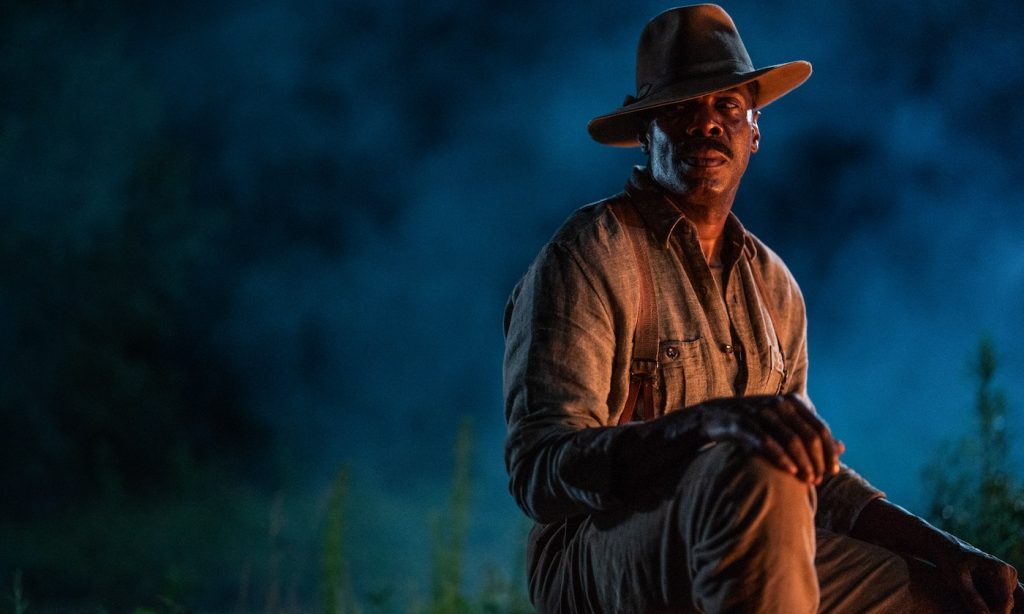
In director George C Wolfe’s follow-up to his critically acclaimed powerhouse Ma Rainey’s Black Bottom, he shines a light on the long-overlooked civil rights luminary Bayard Rustin. Rustin was one of the lead architects of the March on Washington but was also a gay Black man who was out and proud in the 1960s. Although he was awarded the Presidential Medal of Freedom posthumously by President Barack Obama in 2013, too few people know his importance to American history. That seems likely to change now.
In theaters briefly before streaming on Netflix on November 17th, the film is the first narrative feature produced through President and Michelle Obama’s company, Higher Ground. Co-written by Dustin Lance Black and Julian Breece, it takes place during several months leading up to the March on Washington and features a truly exceptional performance by Colman Domingo in the title role.
The Credits spoke with producers Tonia Davis, head of film and TV at Higher Ground, and Bruce Cohen, who is best known for his Oscar-nominated films Milk and Silver Linings Playbook and American Beauty, for which he won the Academy Award for Best Picture. Davis and Cohen discuss why Bayard Rustin is not just a hero of the civil rights movement but a man who deserves his place in history and why this film is even more important today than when they began bringing it to the screen five years ago.
Tonia, first, can you talk about the directives for features Higher Ground has and how Rustin, about a man director George C. Wolfe calls “the ultimate American,” is perfect as the project for it?
Davis: Higher Ground was started around five years ago now by President and Mrs. Obama, with the directive of telling stories that embody their values, which so many of us Americans have always known about. They wanted to do that in a whole range of ways by talking about our shared humanity, whether we’re making a biopic, a comedy, or a science fiction film. When we first started the company, we were looking for projects like any producing entity would, and we got a call from Bruce, whose work we knew about from Milk and Silver Linings Playbook, and he said, “I have the perfect project for the Obamas, a film about Rustin.” That hit so many different things that we were trying to do. First, it was an unseen story about a man who absolutely should be known. Second, it was with exceptional collaborators, Bruce and also George C. Wolfe, whose work we all loved and admired. It felt like a perfect way for the Obamas to launch the company. That was five years ago. We would have loved to put the film out sooner, but because of Covid, it just took this long to get it out the door.
Bruce, what did you know about Bayard Rustin before this production, and why do you think it’s so important for him to be celebrated and remembered?
Cohen: I had seen Brother Outsider, the documentary about him that came out in the 90s. It made the rounds in gay and lesbian film festivals. There was a moment at that point where a lot of queer people did know who Bayard Rustin was and had embraced him as this incredible, iconic hero of ours. He was responsible for the March on Washington, one of the great historical events of the 20th century. When Lance Black sent me the script, which he and Julian Breece had co-written, I was thrilled because I felt he was very underserved, undeservedly unrecognized, and needed to be. What really shocked me was is It felt like it hadn’t even been passed down in the queer community. Today, even fewer people know about him. I think it’s hard to overstate how important it is for Bayard not to be lost in history and for this story to make it down through the ages, which we’re really hoping the film will help accomplish, in part because it is so much more relevant now than it was five years ago when we started making it. There are many things that have happened in this country that just make his message, what he stood for, and what he accomplished even more important for everyone to know.
RUSTIN (2023) Colman Domingo as Bayard Rustin and Johnny Ramey as Elias. Cr: David Lee/NETFLIX
Tonia, how did Colman Domingo come to the project, and what did he bring to the character?
Davis: Colman was aware of the project really, really early on, and everybody involved in the project was aware of Colman from day one. As George began the process of prepping the film, starting to make notes on the script, starting to really get involved with Netflix and the financing entity, he started hearing Colman’s voice in his head as he was reading through the screenplay and making those director notes. There was almost never a question about who was going to play Bayard. Colman embodied him so perfectly. He was the right age. He was an out gay man who was personally aware of and inspired by the history. Colman, to his credit, had begun research on Bayard himself many years prior out of curiosity and in hopes that he would end up playing him. By the time George officially cast Colman, and they started their official collaboration on the project, he was already incredibly knowledgeable about Bayard. Of course, he and George had worked together before on Ma Rainey, so he was part of George’s world. We were so excited when he said yes.
What was it like to watch him transform into the role?
Cohen: It was the best of both worlds because, on the one hand, we were around in pre-production, so we started to get a sense through the wardrobe fittings, speaking with Colman, and hearing the research. One of the things that George always talks about is the incredible job Colman did in transforming his voice. He’s a baritone, and Bayard was a tenor, so Colman changed his voice to be Bayard. That’s appropriate because we feel the film is so musical. George directs it like a musical composition, and along with his great collaboration with the composer Branford Marsalis on the film score, the whole film has a musicality. We were not in the rehearsals because that’s a very sacred private space with just George and the actors, and George has always been very adamant about doing two weeks of rehearsal. We didn’t get to see the full embodiment of Bayard Rustin back with us in the flesh until the first day of shooting. That was an electrifying moment once we understood what Colman had conjured and would be bringing to the table for the film.
What are you hoping audiences are going to come away with?
Cohen: My strongest hope is that people will not just know who Bayard Rustin is; they will love him. They will understand his charisma, his joy, and how entertaining he was. Both George and Colman, at different times during the filming, felt that Bayard’s presence was definitely with them, and we started to get the strong sense that if this movie was not as entertaining and joyous and charismatic as Bayard had been, he would roll over in his grave and never want to speak to any of us again. It was super important that we pulled that off because we also think that’s part of how and why people will hopefully love the film, and his name will get its rightful place in history, which he one thousand percent deserves.
Davis: It’s also our hope that whoever you are, and whatever your background or sexual orientation, race, gender, or creed might be, you will understand through seeing this movie that you are in history and you could have been a leader in that history. We always talk about how important it is for people to see themselves reflected, and I think for this story to be told in this big way on this big screen with this beautiful cast and iconic director lets you know a little bit about how much you might have mattered in a different generation, and that wherever that generation is, you were present and you were accounted for. That’s really important.
There’s a great message that you can actually do something about things you feel strongly about in a nonviolent and peaceful way, as Bayard Rustin did.
Davis: Bury your differences. Grab a hold of your neighbor, and you can march for change.
Cohen: Bayard put together this incredibly powerful, never before seen coalition of young, old, Black, white, rich, working class, poor, and when you add to that now LGBTQ, that’s a coalition that needs to come together right now, again, if we’re going to save this country. We’re at a moment where we are either going to pull it together or we’re not, but Bayard has much to teach us and much inspiration to give us to understand that that’s what we need to do.
Rustin is in select theaters and streaming on Netflix.
For more on big titles on Netflix, check these out:
Good news for all you Dune-heads—Denis Villeneuve’s Dune: Part Two is moving up two weeks and will now hit theaters on March 1, 2024. This gives audiences a nice little light at the end of the winter tunnel, bumping the film up from its previous release date of March 15, 2024. An additional piece of good news is that the film will also play on IMAX 70mm screens, giving Villeneuve’s sci-fi epic the premium format it so richly deserves. This decision comes after the phenomenal success of Christopher Nolan’s Oppenheimer, which played on IMAX 70mm screens and broke records doing so. As of now, Dune: Part Two will play on the premium formats for a two-to-three-week run, but that run could be extended depending on the films that are released in that span.
The date change reflects another movie moving its release schedule—Universal’s Ryan Gosling/Emily Blunt-led action comedy The Fall Guy moved from March 1 to May 3, thus giving Warner Bros. ample reason to move Dune: Part Two up and helping theater owners fill the sudden gap.
Granted, Dune: Part Two had originally been slated for a 2023 release date but was delayed due to the actor’s strike. Now that the strikes are over, stars Timothée Chalamet, Zendaya, and more will be able to promote the film. Villeneuve’s first Dune opened during the pandemic, so the new March 1, 2024 release date finally gives the film a chance to open under normal circumstances.
Joining returning stars Chalamet, Zendaya, Josh Brolin, Rebecca Ferguson, Dave Bautista, and Javier Bardem are newcomers Austin Butler, Florence Pugh, Christopher Walken, and Léa Seydoux. Villeneuve has promised that Part Two is an epic war movie that will move at a brisker, deadlier pace than the more contemplative first film.
Caption: (L-r) TIMOTHÉE CHALAMET as Paul Atreides and ZENDAYA as Chani in Warner Bros. Pictures and Legendary Pictures’ action adventure “DUNE: PART TWO,” a Warner Bros. Pictures release. Photo Credit: Niko TaverniseCaption: AUSTIN BUTLER as Feyd-Rautha Harkonnen in Warner Bros. Pictures and Legendary Pictures’ action adventure “DUNE: PART TWO,” a Warner Bros. Pictures release. Photo Credit: Courtesy Warner Bros. PicturesCaption: FLORENCE PUGH as Princess Irulan in Warner Bros. Pictures and Legendary Pictures’ action adventure “DUNE: PART TWO,” a Warner Bros. Pictures release. Photo Credit: Niko Tavernise
For more on Dune: Part Two and the broader franchise, check out these stories:
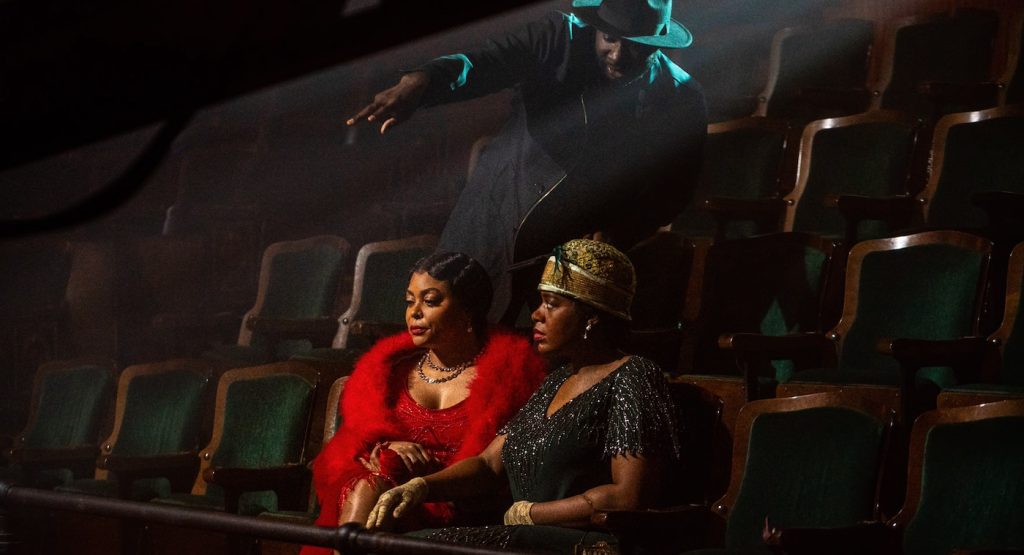
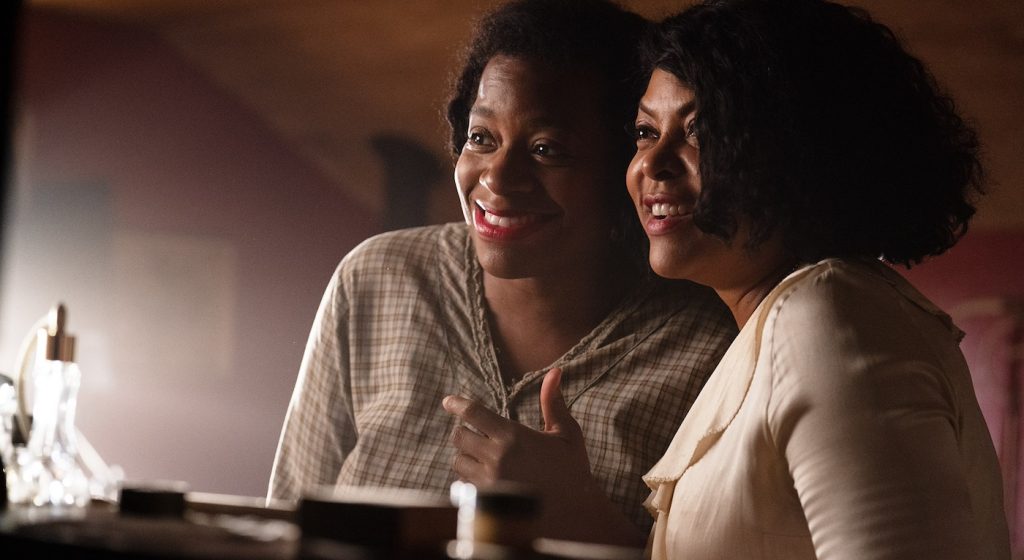
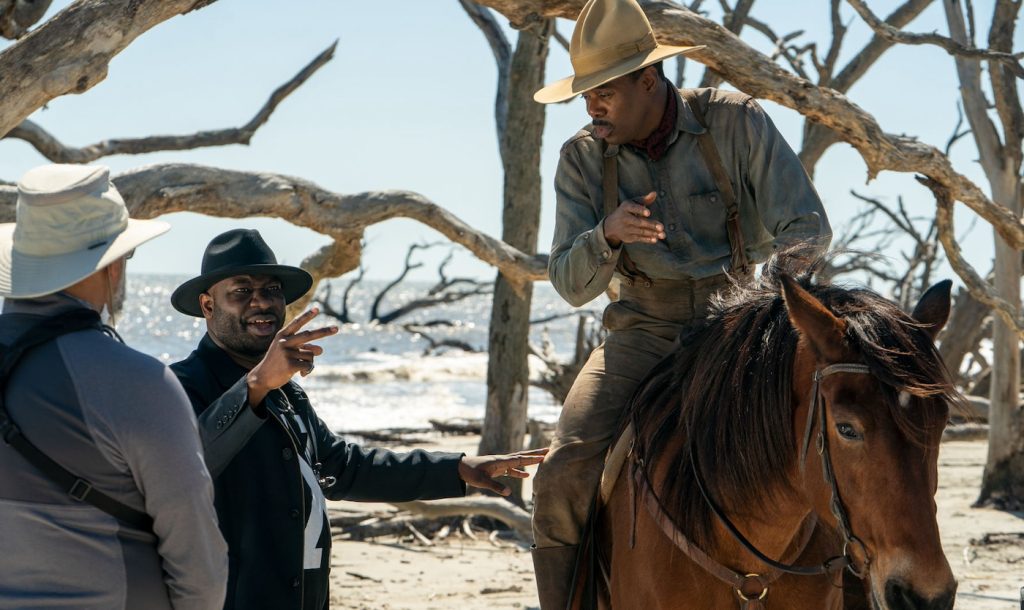
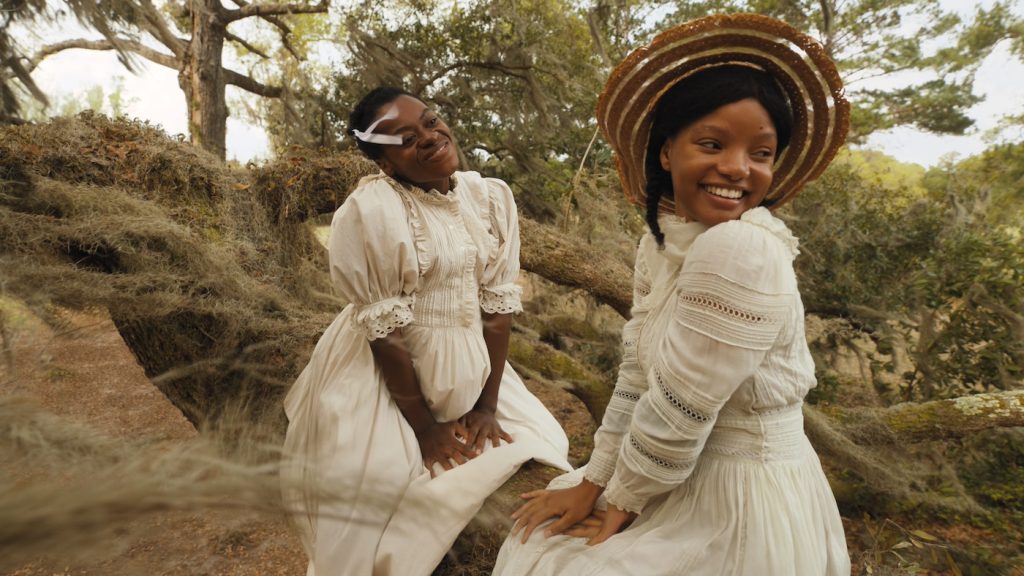
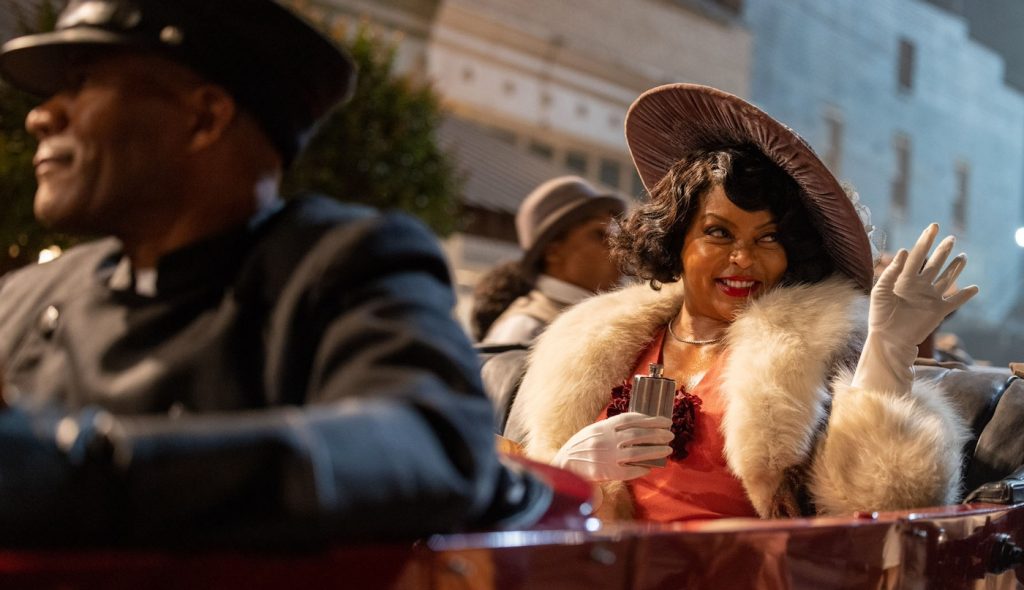
Oprah Winfrey, one of the power producers behind The Color Purple, joined stars Fantasia Barrino, Colman Domingo, Taraji P. Henson, Danielle Brooks, and more as they presented the film in its first public screening at the Samuel Goldwyn Theater in Beverly Hills on Thursday night.
Winfrey and The Color Purple cast were emotional as they spoke about the power of director Blitz Bazawule’s musical adaptation of the film and how much the movie has impacted their lives.
“For every one of us up here, it is a story of, ‘look at what God has done,’” said Winfrey during a panel after the screening, moderated by Variety’s Angelique Jackson. Winfrey was herself an Oscar nominee for her portrayal of Sophia in Steven Spielberg’s 1985 film adaptation of Alice Walker’s iconic novel. Winfrey said it was Walker’s book that helped her unlock an incredibly painful time in her own life.
“Until that time, I didn’t know there was language for what had happened to me,” she said. “I had been raped and had a child who later died, and I did not have any language to explain what that was. And that book was the first time there was a story about me.”
Starring in Spielberg’s adaptation “changed everything for me,” Winfrey said. Coming back to the material all these years later as a producer was a “full circle moment.”
The role of Sophia in the new film belongs to Danielle Brooks, who wept as she described what it felt like to take on the role and the space that Winfrey gave her to create her own Sophia. “She held my hand and let me fly,” Brooks said of Winfrey.
(L-r) DANIELLE BROOKS as Sophia and COREY HAWKINS as Harpo in Warner Bros. Pictures’ bold new take on a classic, “THE COLOR PURPLE,” a Warner Bros. Pictures release. Courtesy Warner Bros. Pictures.
Both Fantasia Barrino, who came to her role as Celie in The Color Purple with plenty of experience—she won a Tony for playing her in the Broadway musical adaptation—and Taraji P. Henson, who plays Shug Avery, revealed that they needed some convincing to take part in the film. Barrino said that Bazawule helped change her mind and allowed her to see “what women go through and how we sometimes need to imagine ourselves in a different place before we get there.” For Henson, she said it felt like destiny. “The funny thing about life is when something is destined for you, you cannot run away from it. I tried,” Henson said. “This is iconic. This is something that is going to live on forever.”
The Color Purple arrives in theaters on Christmas Day.
For more on Warner Bros., Max, and more, check out these stories:
Featured image: Caption: (L-r) TARAJI P. HENSON as Shug Avery, FANTASIA BARRINO as Celie and DANIELLE BROOKS as Sophia in Warner Bros. Pictures’ bold new take on a classic, “THE COLOR PURPLE,” a Warner Bros. Pictures release. Photo Credit: Courtesy Warner Bros. Pictures
David Fincher’s lean, mean The Killer is a film stripped down to its bare essentials, much like the work of its titular assassin. Based on a French graphic novel and adapted by Andrew Kevin Walker(Se7en), Fincher’s adaptation tells the story of an unnamed killer (Michael Fassbender) and the strict, self-imposed protocols of his trade. It’s the rules of the process that concern the titular character, not moral dilemmas, yet they become unbearably intertwined after he botches an assignment, and the fallout affects someone he loves.
On the surface, The Killer is a revenge story. Once the job goes terribly wrong and his partner, Magdala (Sophie Charlotte), suffers violent consequences, Fassbender’s nameless assassin breaks his own rules to track down those responsible. The Killer is a world of shadows, sociopaths, and the people they prey on. For Fassbender’s antihero, feeling like the prey is a novel concept, and he’s determined to do anything to realign the world so he fits back in as a proper predator.
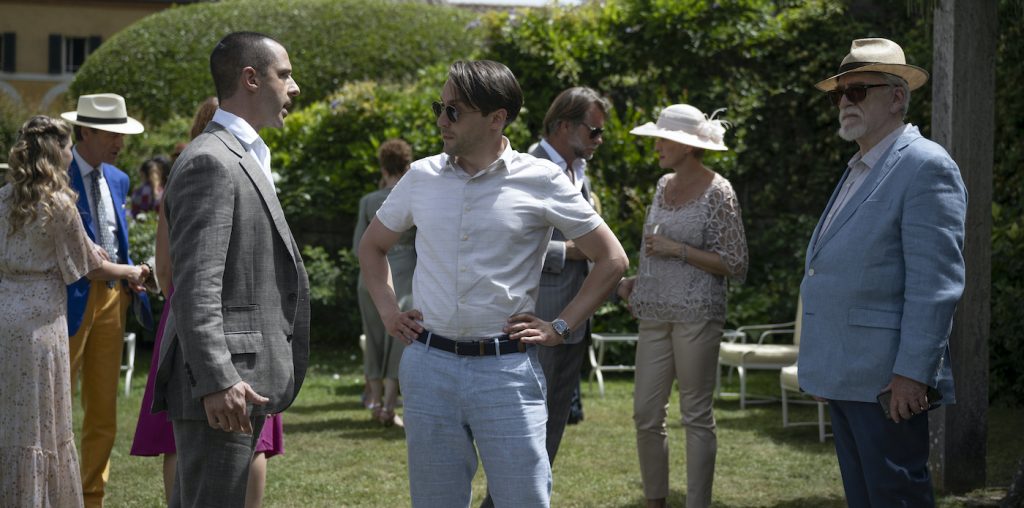
Once again, the director collaborates with cinematographer Erik Messerschmidt, who has been Fincher’s DP on Mindhunter and Mank. With The Killer, Messerschmidt helps Fincher place the viewer into the cramped, icy perspective of the titular character with a grace that belies the chaos he creates. We spoke to Messerschmidt about his working relationship with Fincher and what it was like to bring The Killer to life.
The Killer is surprisingly detailed about the protocols of its titular antihero. What was it like bringing his world to life?
Well, so much of the film is about redundancy and monotony. I think it took an enormous amount of commitment on David’s part to just lean into it and photograph it. I wouldn’t say I was uncomfortable, but I was nervous that the audience wouldn’t feel completely engaged in that decision a little bit. We talked about it. I said, “God, so much of this is just him sitting in cars watching people. Are we going to stay with it?” And David said, “Well, we’re going to try.” We’ve worked together so much that we have a very, very clear shorthand, and we’re able to express things quite directly to each other, which isn’t always the case.
It’s funny how much this movie is about process and presentation, almost like filmmaking.
It is. I mean, I think that’s more coincidental than anything else, to be honest. I mean, are there similarities between an assassin and a film director? I mean, I guess there’s a process.
The movie is also about the stories we tell ourselves and how we tell them, right?
For sure. I think we all lie to ourselves to some degree throughout our lives. We lie to ourselves about our own confidence. I think the movie is about the tragedy of self-confidence, to some degree, and the fragility of it. I think that the killer really wants to believe that he’s completely in control of everything. Of course, he comes to the end, he realizes he’s not, and he finds a little bit of nirvana through that process. It’s almost like the sublime kind of reality of not having absolute control. You can certainly criticize it or explore it philosophically if you want to.
Or you can just enjoy the simplicity of the genre elements, like the brutal fight scene between the killer and a man in Florida. It’s so dark and vivid. How’d you pull that off?
Well, I had never been more conscious of the use of sound in a film than I was on this movie. And look, filmmaking is an incredibly selfish business. And if you’re a cinematographer, you’re generally very focused on the image, on the photography. And when we made that sequence, there were a couple of things we talked about, like the importance of geography and the audience understanding where they were in the house. We wanted the audience to start to build a virtual 3D model of the environment in their head as they’re going through the house. We were very dogmatic with screen direction and very concerned about cutting. We’re not just shooting on a long lens and seeing stuff tumbling in the frame. Hopefully, you get some more context than that out of the scene. But the other thing was that we were having very active discussions about what can be inferred and what can be understood through sound, and what needs to be seen.
How was prep for that sequence?
I think we prepped that to death, quite literally. Dave Macomber, the stunt coordinator, choreographed the fight. They built the house out of cardboard boxes. He shot a stunt team. We made coverage notes with screen directions. He went back, and they did it again. It was over the course of several weeks of refining and refining and refining. And then we were able to look at it, like, “Okay, we want light here. We don’t want light here. What are the realities of making sure everything is consistent?” I lit the whole house, and then we just methodically went through it.
Like you said, you never thought about sound as much as you did on this movie, so how much did the use of The Smiths influence your choices?
Yeah, that was a late edition. He was playing The Smiths, and he knew he wanted to use the song “How Soon is Now?” They had talked about the kind of cutting between where the sound becomes subjective as well. You hear the headphones, and then you hear the tiny kind of bleed from the headphones when the camera’s outside of his head. We had had those discussions, but the soundtrack and The Smith’s portion of it, I don’t think David had decided on until well into the cutting process.
With a David Fincher movie, you always feel like you’re in good hands as a viewer. Right from the beginning, how’d you both want to set a tone and invite the audience into The Killer’s point-of-view?
Well, I think we’re saying, look at this, this is important, and then we’re going to cut to this. This is important. It’s a bit of a spoon feed intentionally. We want to take you along a ride and give you an experience. It’s everything that’s included in the frame. Every decision we’re making, every cut, is something that was discussed and considered. More than anything before, certainly more than Mindhunter. David was very surgical about how we include things in the frame and how Michael exists within that composition more than any movie I’ve ever done.
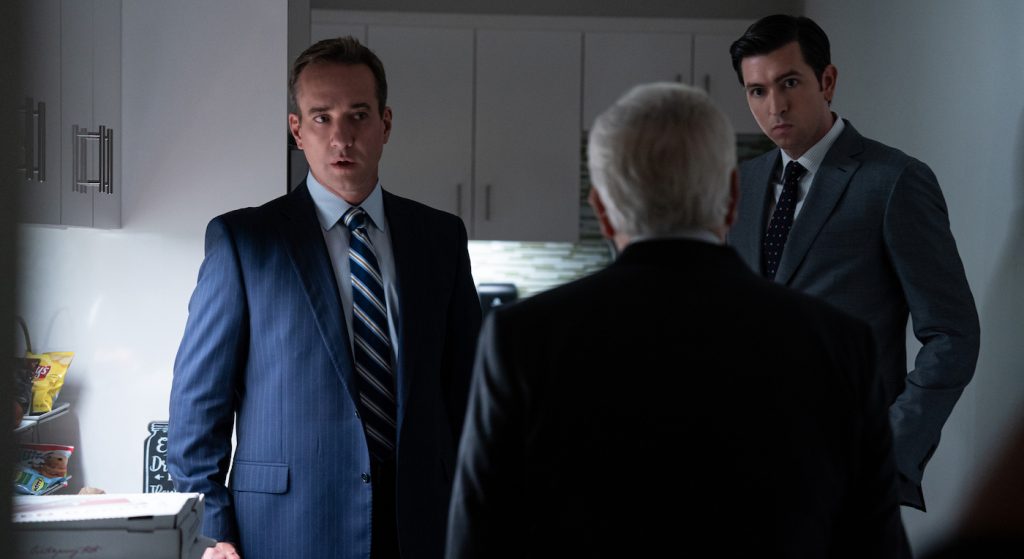
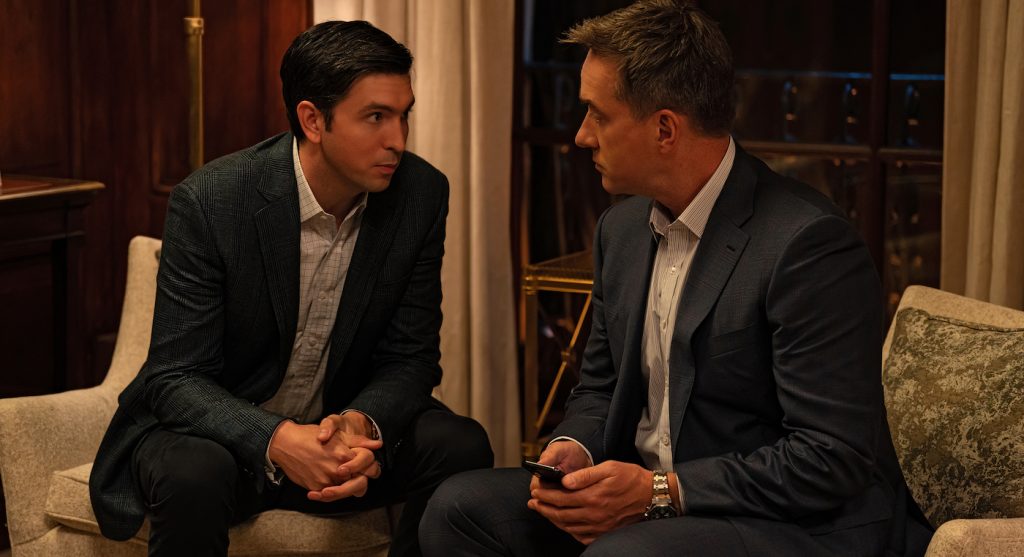
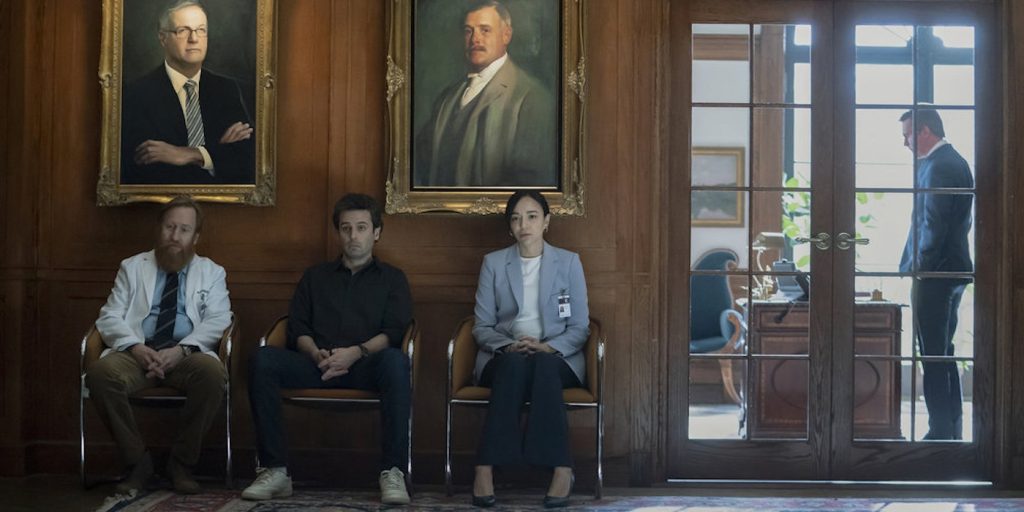
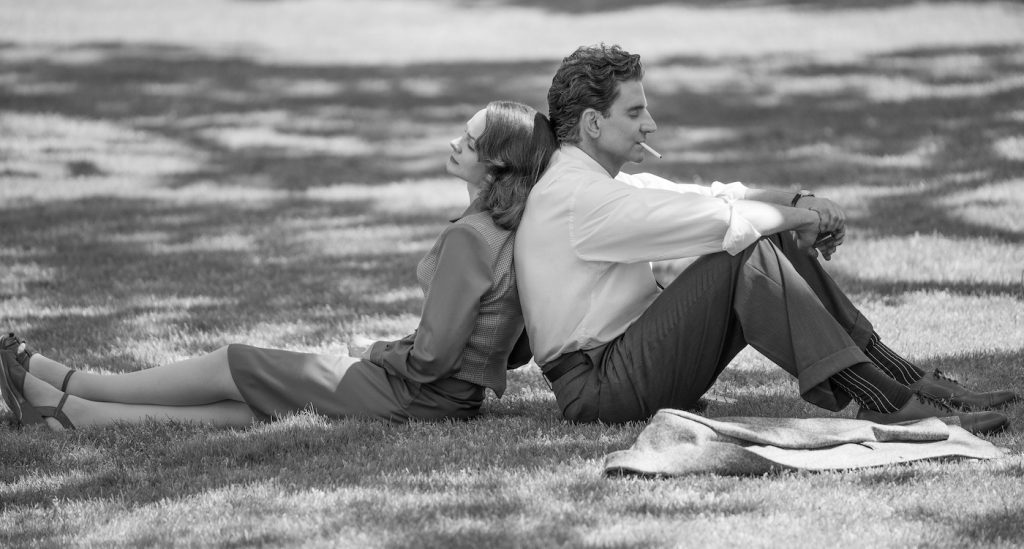
In creating these experiences, what about the Red camera speaks to you both?
Well, we’ve shot Red for a number of years. David’s been shooting with Red longer than I have, actually. He started using the red camera on The Social Network. I don’t fundamentally view the camera as having any real impact on the image, and I think it’s a crime to cinema to suggest that. To suggest that the camera, somehow, the camera choice somehow influences the aesthetic is just wrong. I mean, it’s insulting the cinematography. The cameras have certain qualities and certain features that affect the type of photography you can do, but hopefully, I could shoot Alexa and I can get the image to look like that to some degree.
It’s a tool, right?
It’s a tool. It’s like Eric Clapton plays a Stratocaster because Eric Clapton likes it, but he could pick up a Les Paul, and he could play it, but he chooses to play a Stratocaster. I don’t think Clapton would ever argue that it’s a superior guitar. It’s just the tool he’s most comfortable with. I feel the same way about cameras.
For more on big titles on Netflix, check these out:
While Marvel Studios looks like they’ve found their next big superhero, James Gunn and Peter Safran’s new DC Studios has just landed their first big villain. Deadlinereports that Gunn has cast María Gabriela de Faría to play Angela Spica, aka The Engineer, in his upcoming Superman: Legacy. The Venezuelan actress has had roles in the comedies Animal Control and The Moodys for Fox, and she starred in Lionsgate’s The Exorcism of God. Playing a villain in Gunn’s hotly-anticipated Superman reboot is a major step for the rising star.
Her character, Angela Spica, was created by Warren Ellis and Bryan Hitch for “The Authority vol. 1” in 1999. Her abilities are based on nanotechnology that she’s got built into her body, which gives her tremendous powers due to having what is essentially a liquid metal form. She’ll be facing off against David Corenswet’s Superman, yet plot details are, of course, being kept under wraps.
Gunn’s Superman: Legacy will be the first official film in his and Safran’s new DC Studios, kicking off a unified universe of feature films and television series. The film isn’t being billed as a Superman origin story, however, but rather will focus on Clark Kent’s struggles to reconcile his Kryptonian heritage and his human connections as he faces down evil in the world that adopted him.
With the casting of María Gabriela de Faría as The Engineer, Gunn is setting up The Authority movie that he and Safran previously announced, which will bring in more characters from the WildStorm comic book universe that DC Comics bought in 1999. Gunn has previously teased The Authority as a film focused on a team of superheroes who deploy extreme methods to protect the planet. “One of the things of the DCU is that it’s not just a story of heroes and villains,” Gunn said. “Not every film and TV show is going to be about good guy vs. bad guy, giant things from the sky comes and good guy wins. There are white hats, black hats, and grey hats.”
Joining Corenswet as Clark Kent/Superman and María Gabriela de Faría as Angela Spica/The Engineer are Rachel Brosnahan as Lois Lane, Nathan Fillion as Guy Gardner/Green Lantern, Isabela Merced as Hawkgirl, Edi Gathegi as Mister Terrific, and Anthony Carrigan as Rex Mason/Metamorpho.
Superman: Legacy is slated for a July 11, 2025 release date.
For more stories on all things DC Studios, check these out:
Featured image: LOS ANGELES, CALIFORNIA – JANUARY 14: María Gabriela de Faría attends the premiere week screening of SYFY’s “Deadly Class”, hosted by Kevin Smith, at The Wilshire Ebell Theatre on January 14, 2019 in Los Angeles, California. (Photo by Paul Butterfield/Getty Images)
The question of who will nab the four lead roles in Marvel Studios’ Fantastic Four has generated a year plus of speculation, but at last, it looks like Marvel has their man for the role of Mr. Fantastic. Pedro Pascal, arguably the breakout star of 2023 after his dynamite performance in HBO’s The Last of Us, is in talks to play Reed Richards. Richards is a genius scientist who ends up inheriting one of the oddest superpowers in all of Marvel when, after absorbing gamma rays during a trip to outer space, finds that he can stretch and bend his body as if it were made of rubber.
Pascal has long been a fan favorite and a scene-stealer. He was pitch-perfect as the cocky, soulful swordsman Prince Oberyn Martell in HBO’s fourth season of Game of Thrones, followed that up with a great performance as the DEA agent Javier Peña in Netflix’s Narcos, and of course, became buddies with Baby Yoda as The Mandalorian. Once The Last of Us became 2023’s first critical sensation, Pascal had cemented himself as a bonafide star. He was nominated for an Emmy for his performance in the series.
Fantastic Four will be helmed by WandaVision director Matt Shakman, who took over for Spider-Man director Jon Watts. Marvel Studios finally got the rights to Fantastic Four in 2019 when Disney acquired 21st Century Fox. The Fantastic Four are Marvel Comics royalty, as they were the very first superheroes created for Marvel by Stan Lee and Jack Kirby. Fox produced three films based on Marvel’s first family—Fantastic Four (2005), Fantastic Four: The Rise of the Silver Surfer (2007), and a reboot, Fantastic Four (2015). In that 2005 film, a future MCU star, Chris Evans, played Johnny Storm. In the 2015 reboot, another MCU star, Michael B. Jordan, played the same role.
There was a nod to the Fantastic Four in a recent MCU film, however, and it doubled as a knowing wink to Marvel fans. In 2022’s Doctor Strange in the Multiverse of Madness, John Krasinski appears as an alternate-universe version of Reed Richards. Krasinski was the man fans were hoping would be cast in the role, alongside his wife, Emily Blunt, as Susan Storm (aka the Invisible Woman). In Doctor Strange, however, this version of poor Reed is annihilated by the Scarlet Witch (Elizabeth Olsen), whose powers of destruction are a touch greater than his bendy abilities.
There is still no word on who Marvel is eyeing for the roles of Susan Storm, Johnny Storm, aka the Human Torch, and Ben Grimm, aka the Thing.
For more stories on all things Marvel Studios, check these out:
Sony Pictures has revealed the first look at Madame Web, their upcoming Spider-Man spinoff starring Dakota Johnson as Cassandra Webb, aka Madame Web, a paramedic in Manhattan with some unusual abilities. Like Cassandra in Greek myth, Cassandra Webb finds out she’s clairvoyant, yet those abilities and her complicated past are about to thrust her into a dangerous game.
Madame Web is directed by veteran S.J. Clarkson (The Defenders, Jessica Jones), who is working off her own script. The film will give us Madame Web’s origin story, which finds her abilities directly connected to all the Spider-based superheroes operating in the world. Johnson is joined by Sydney Sweeney, Celeste O’Connor, Isabela Merced, Tahar Rahim, Mike Epps, Emma Roberts and Adam Scott.
The trailer opens by hinting at Cassandra’s formidable skills. She goes into a diner where she’s attacked by a Spider-Man-like figure in a dark super-suit and Spidey abilities. The confrontation goes poorly for Cassandra, but we learn that she was seeing that ahead of time, giving her the foreknowledge of how to approach the situation in reality. Cassandra’s abilities were born after an accident while working as a paramedic (she tumbled off a bridge, in a car, into the river), and from this unhappy accident, she became something more. Later in the trailer, we learn the identity of the masked man who attacked her, Ezekiel Sims (Rahim), a man connected to her past. Cassandra and three new friends (Sweeney’s Julia Carpenter, O’Connor’s Mattie Franklin, and Merced’s Anya Corazon) are connected to each other and Ezekiel Sims in ways they are only beginning to understand.
Check out the trailer below. Madame Web is coming to theaters on February 14, 2024:
For more upcoming films from Sony Pictures, check out these stories:
HBO’s brilliant The Last of Us is, inarguably, the most successful video game adaptation in TV history. The series is based on the critically acclaimed video game of the same name, which was created by Neil Druckmann and Naughty Dog, and when it bowed at the beginning of this year (adapted by Druckmann and Chernobyl creator Craig Mazin), it was an immediate sensation. Here was a slow-burn, character-focused zombie show that felt utterly different from any in the genre. It did that, in part, by yoking the deathless idea of the voracious undead to a far-fetched but still theoretically plausible scenario—a world in which the Cordyceps fungi (a relative of the mushrooms in your salad) have infected our brains and turned us into thoughtless monsters.
In order for a show like The Last of Us to excel, hundreds of artists need to bring their expertise to bear in order to pull off a show of this scale and level of detail. From Druckmann and Mazin to the brilliant cast (led by Pedro Pascal as the no-nonsense Joel and Bella Ramsey as his resilient young charge, Ellie) to the vast crew building out this world, it’s a massive feat of collaboration. That includes concept artists like Pouya Moayedi, who were tasked with taking what was on the page and illustrating it so that Mazin, Druckmann, and crew members like cinematographers Eben Bolter and Ksenia Sereda, production designer John Paino, hairstylist Chris Harrison-Glimsdale, and everyone else involved could start to build out this world of ruin.
We spoke to Moayedi about what it took to turn a video game in which the fungi kingdom has gone rogue into one of the year’s most compelling and satisfying new series.
Walk us through your typical day as a concept artist for The Last Of Us.
So, my job is to visualize sets, characters, creatures, and key moments in the script. I work closely with the production designer, art directors, and set designers to create these moments and these worlds. Basically, I help bring the script to life so the construction people who build sets have a reference, and the producers who need to see certain beats in the story can see those visualized. Now we know how we’re going to approach it.
What’s your process—do you sketch by hand to start, or is it all digital?
I start with sketching, and I do a lot of 3D and Photoshop painting. When ideas come, I sketch them down to refer to. I think there were six concept artists, and I think collectively, we did maybe five hundred concept designs. We were basically illustrating every major scene in the story and establishing shots of significant moments.
A concept for a FEDRA dorm room by Pouya Moayedi. Courtesy Pouya Moayedi.
Did you actually play the game before working on the series?
I didn’t play the game. But we were always watching the gameplay, and two of the people at the office had PlayStations, and there’s a feature on it where we could take screenshots of the game, so we referenced that a lot. We were constantly watching the gameplay, but we wanted to do something that was not gamey.
Bella Ramsey. Photograph by Liane Hentscher/HBO
Did you watch any zombie films or series before you started working on the series?
Well, nothing like this had ever been done before. I remember watching I Am Legend with Will Smith, and the visual effects are pretty good. In some of the scenes in that film, the city streets are covered with grass, so I remembered that. That was the closest film aesthetically to what we were doing in The Last of Us. I also looked at a lot of natural disaster photos and photos of the aftermath of war. That was heartbreaking.
A concept for an abandoned skyscraper by Pouya Moayedi. Courtesy Pouya Moayedi.
The Last of Us is set in the United States, yet it was filmed throughout Canada. Where were the sets they built based on your illustrations?
Lots of them were in downtown Calgary. Some were in Edmonton. Some were in High River, Alberta. The first episode, where they’re going through Texas, was in Alberta. Most of episode five, set in Kansas City, was actually shot in Calgary.
Were there any sequences that you’re most proud of?
I did a lot of storyboards in the episode with David [Scott Shepherd, episode 8, “When We Are In Need”] with those cannibal people. They live in this snowy wasteland led by David and all those abandoned houses. I did a lot of concept art for those houses.
Pedro Pascal and Bella Ramsey. Photograph by Liane Hentscher/HBO
That episode was brutal. The Last of Us feels so grounded, which makes the extra harrowing turns, like from that David episode, that much more impactful.
Our showrunner [Craig Mazin] is the Chernobyl guy, so everything is real. We were referencing a lot of real-life stuff. I’m not the person who calls the shots, but I’m the person who can influence the person who calls the shots. Sometimes, I can wow people with my concepts, and sometimes, I have to go back to the drawing board and do six more iterations of it. One thing I’m really proud of is the designs I did for the rebel’s vehicles. I helped design the truck that runs through the cars in episode five [“Endure and Survive”], as well as all the Humvees. And then in the finale, when Ellie and Joel are going through the military hospital, you see all those medical tents in the background—I designed those. That’s the style of the show; it’s not asking you to pay attention to the world we built. Rather, it’s very character-driven. It’s subtle. It makes you feel like you’re there in the moment in the real world.
A concept for a modified truck by Pouya Moayedi. Courtesy Pouya Moayedi.A concept for a field hospital by Pouya Moayedi. Courtesy Pouya Moayedi.
Featured image: A concept for an abadoned skyscraper by Pouya Moayedi. Courtesy Pouya Moayedi.
The upcoming feature Supergirl: Woman of Tomorrow, part of the first batch of movies coming out of James Gunn and Peter Safran’s new-look DC Studios, has nabbed its writer.
Playwright and actress Ana Nogueria will be scripting the upcoming film, which will be a standalone feature focused on Superman’s cousin, a fellow Kryptonian with immense powers all her own.
Nogueria has actually been circling a Supergirl project for a while now—she was previously tapped to write a Supergirl film back in 2022 when it was being developed as a spinoff from Andy Muschietti’s The Flash, which featured Sasha Calle in the role. That was under the previous DC Studios leadership, and the hope was that Supergirl would begin a new franchise.
When Gunn and Safran came on board at DC Studios, they brought with them a completely new vision for the studio, which included new superheroes and revamped and recast icons, including Superman and Batman. It was thought that Supergirl was done, but then they revealed that a different film focused on the young superhero was a part of their upcoming slate. Supergirl: Woman of Tomorrow is based on a comic book mini-series by Tom King, published in 2021 and 2022, which gave Supergirl her own unique persona, rather than viewing her as a female Superman.
“Superman is a guy sent to Earth and raised by loving parents, where Supergirl in this story, she is a character raised on a chunk of Krypton,” Gunn explained on Twitter. “She watched everybody around her perish in some terrible way, so she’s a much more jaded character.”
In King’s comic, Kara Zor-El (Supergirl) and her trusty mutt Krypto (yes, he’s a superdog) find themselves involved in the revenge quest of a young alien girl. It’s unclear how much from King’s narrative Nogueira will be taking for her feature. Yet Gunn and Safran enjoyed her work on the previous Supergirl film, so she was brought back on to write the new film.
Nogueira’s play Which Way to the Stage debuted off-Broadway in 2022. She’s also working on an adaptation of author Alice Sola Kim’s short story Mothers, Lock Up Your Daughters.
For more on all things DC Studios, check out these stories:
Featured image: NEW YORK, NEW YORK – FEBRUARY 27: Ana Nogueira attends the 66th Obie Awards Honoring Excellence In Off- And Off Off- Broadway at Terminal 5 on February 27, 2023 in New York City. (Photo by Jenny Anderson/Getty Images for American Theatre Wing)
The review embargo has been lifted for Ridley Scott’s Napoleon, the legendary director’s full-scale take on the life of one of history’s most infamous men. An epic of old-school filmmaking that boasts some of Napoleon’s most famous battles (including the Battle of Toulon and the Battle of Austerlitz), Scott’s film, from a script by David Scarpa, also pays close attention to the most crucial relationship in the French Emperor’s life—his lifelong love of Josephine—which was both a source of inspiration and comfort as well as torment.
Taking on the mantle of Napoleon is Joaquin Phoenix, and according to critics, he’s astonishing, at turns hilarious, haunting, scheming, and ice cold. His co-star, Vanessa Kirby, is coming in for equally lavish praise for her performance as Josephine. Their two performances are reason enough to see Scott’s latest.
“Phoenix, sometimes laugh-out-loud funny and chilling in the same scene, is as compelling as he always is,” writes the London Evening Standard‘s Hamish Macbain, “…But it’s Vanessa Kirby who, much like Ryan Gosling in Barbie, upstages her title character.”
Meanwhile, the full impact of Scott’s film is that of watching a hugely ambitious director set his sights on a historical figure that seems larger than life and fashioning a movie big enough to capture him.
“Scott has created an outrageously enjoyable cavalry charge of a movie, a full-tilt biopic of two and a half hours in which Scott doesn’t allow his troops to get bogged down mid-gallop in the muddy terrain of either fact or metaphysical significance,” writes the Guardian‘s Peter Bradshaw.
Napoleon is in theaters on November 22.
Let’s take a peek at what the critics are saying.
“Distinctively deadpan: a funny, idiosyncratic close-up of the man.”
Joaquin Phoenix stars as the legendary French emperor in Ridley Scott’s #Napoleon, in cinemas Friday.
Ridley Scott prints the legend in #Napoleon/ #NapoleonMovie & it absolutely rips. A compelling love story between a man & his country, military career, wife & ego. Battle sequences are visceral, gory & gorgeously expansive in scale & scope. Phoenix is great, but Kirby transcends. pic.twitter.com/wUad22ylNF
#Napoleon is an absolute joy, a scathing and frequently hilarious character study of a lil freak with a literal and figurative Napoleon complex. Some of the gnarliest battle scenes I’ve seen in a minute, incredible sound design, and that distinct, unique bitter taste of Sir Rid. pic.twitter.com/6nk3MxGpYg
Ridley Scott’s #Napoleon is a win. Phoenix’s portrayal of the French leader is a revelation. Together with Kirby’s pitch perfect Josephine they put the toxic in intoxicating. The ferocity of the brutal battle sequences come with sound design you few in your bones. #NapoleonMoviepic.twitter.com/L1Jwk4DqgI
#Napoleon is less a war epic and more a comedy about the absurdity of power and the delusional patheticness of a “great” man. An unexpected but welcome combo of tones that Ridley Scott shoots with appropriate grandness. I liked it! pic.twitter.com/bzw4Y3rGG4
Never doubt Ridley Scott. He delivers with #Napoleon. Incredible battle scenes, top to bottom brilliance in cratfs; cinematography, production design, sound and costume. Joaquin PHoenix’s and Vanessa Kirby’s love story is just beautifully executed. Loved it. pic.twitter.com/3HbLXd5Fni
NAPOLEON is FANTASTIC!! Director RIDLEY SCOTT is still at the top his game (at 85!) with a sweeping epic & JOAQUIN PHOENIX is magnificent! Incredible battle scenes that will blow you mind! Bound for OSCAR NOMS across the board, including BEST PICTURE! pic.twitter.com/vLcOr2dcsa
#NAPOLEON is an incredible feat of MASSIVE filmmaking and the type of historical epic that just isn’t made anymore. Joaquin Phoenix & Vanessa Kirby are pure alchemy together, but I wish it went deeper into the mind of the tyrannical leader.@TheMoviePodcast review out now. pic.twitter.com/1G9to2Blko
‘Napoleon’ Review: An impressive Joaquin Phoenix reteams with director Ridley Scott for this lavish biopic of the French military commander. @TimGrierson#Napoleonhttps://t.co/VZ4Ph7gZe3
Vanessa Kirby and Joaquin Phoenix in “Napoleon,” premiering in theaters around the world on November 22, 2023.“Napoleon” premiering in theaters around the world on November 22, 2023.
Featured image: Napoleon (JOAQUIN PHOENIX, center) looks onto the battlefield in Apple Original Films and Columbia Pictures theatrical release of NAPOLEON. Photo by: Aidan Monaghan
Mike White’s brilliant The White Lotusis gearing up to bring a fresh group of cosseted tourists to a new resort location for season 3. After a gangbusters murder mystery in season two—set in the unimprovable location of Sicily—White is bringing the third season of his critically acclaimed series to Thailand, with production potentially beginning next February, Deadline reports. Meanwhile, casting has begun—there are few jobs more coveted in the TV world than landing a spot on The White Lotus roster—now that the SAG-AFTRA strike is over.
White’s anthology series has depicted both the staff and the guests of the titular White Lotus resort in Hawaii and Sicily, utilizing those locations not only for their abundant beauty but also for unleashing the often rich, occasionally obnoxious guests on the staff and locals they interact with. From season one to two, only two characters, Jennifer Coolerdige‘s Tanya and Jon Gries’ Greg Hunt, carried over. For season three, word is that Natasha Rothwell’s Belinda, an employee at the Hawaii location’s spa in season one, will be reappearing. The rest of the cast will presumably be new, and considering you don’t only get to star in one of the buzziest series in all of television but you also get to spend months in a beautiful location, the competition will be fierce. Deadline reports that thirteen roles are currently being cast, nine of them for series regulars, ranging in age from 18 to 80.
The White Lotus season two was nominated for 23 Emmys and was moved officially, and it particularly dominated the supporting actress in a drama series category, nabbing five of the eight slots—Jennifer Coolidge, Meghann Fahy, Sabrina Impacciatore, Aubrey Plaza, and Simona Tabasco.
“It’s going to be a supersized White Lotus,” White told Entertainment Weekly about season 3. “It’s going to be longer, bigger, crazier. I don’t know what people will think, but I am super excited, so at least for my own barometer, that’s a good thing.”
For more on The White Lotus, check out these stories:
Featured image: Francesco Zecca as Matteo, Leo Woodall as Jack, Tom Hollander as Quentin, Jennifer Coolidge as Tanya McQuoid-Hunt, Haley Lu Richardson as Portia. Photo courtesy HBO.
The Holdovers (in theaters now) has the potential to become a holiday classic. It’s a movie that delves into themes of depression, loneliness, loss, and regret. Yet this bittersweet concoction has a tremendous if subtle, undercurrent of tenderness. Friendship and love are given their due, adding a touch of sweetness to Alexander Payne’s new film.
Screenwriter David Hemingson tells the story of the embittered professor Paul Hunham (Paul Giamatti), who possesses the quick wit and quiet depression of a stand-up comedian. Set in the 1970s over the holidays, Hunham — along with a grieving mother and school employee, Mary Lamb (a wonderful Da’Vine Joy Randolph) — is tasked with looking after students left behind during the break. One of the students is Angus (Dominic Sessa), who matches the unloved professor in prickliness. Together, the three holdovers embrace one another over a bitterly cold Christmas season.
Hemingson has crafted a story that would have made the likes of Hal Ashby blush. It’s a true and thorough 1970s movie, with the patience and unspoken observations that define the greatest character-driven films of that period. It’s a remarkable story from Hemingson, who imbues the deeply personal tale with a clear-eyed warmth.
Not only that, the screenwriter got to pay tribute to his mother and uncle, two figures that continue to inspire him. Consider The Holdovers a love letter to family, both blood or chosen. In the case of The Holdovers, it’s the chosen family that saves the day.
As someone who’s written a lot on television, was it a relief to write at such a patient pace for The Holdovers?
Oh my God, man, I got to tell you, it’s hard. I love television, and I will continue to write television, but there’s a beauty in being able to write a movie where the four corners of the world and the universe are going to be contained in those two hours. But the key thing is to pace it in such a way that the reveals feel organic and unrushed. The imperative is different because you’ve got to create a world and sustain a world, so the idea of trying to accomplish all that and make it seem unhurried—that is the hardest thing.
There’s such a beautiful simplicity to the movie. Mostly, these three characters are in one location. How delicate was that simplicity?
There are two things that leap out of me. I knew I had wanted to get most of the kids [out of the school] pretty early. I wasn’t interested in writing a movie about five boys at school with this curmudgeonly professor. I saw Dead Poets Society. I don’t need to do that. Who wants to go up against Peter Weir? Once I got rid of the kids on the helicopter, I was like, okay, now I got my three characters, which is what I wanted to do. Alexander was like, “I love your impulse. I love that you did that.” But then I was like, “What am I going to do? I got these three people; what do I do for myself?”
So where’d you go from there?
I didn’t know until I initially broke Angus’s arm [in the gym accident] because I needed some way to drive them all together. How do I start to tell you, the audience, this movie’s a love story? It’s just a love story. So, how do I uncouple them from their respective preconceptions about themselves and each other and get them close? Well, it is always good if somebody gets hurt, but not too badly. Getting hurt in comedy is good as long as it’s not too serious, hence the dislocation.
So the other thing was Mary and the box. That was really hard but really necessary. I struggled to figure it out because I based her around my mother, who was just an extraordinary woman and such a loving, caring, ferociously strong woman. What would happen if my mother had lost me? She would’ve been devastated.
How’d you want to communicate loss with the box?
This is the tragedy, this is the reason behind the tragedy, but what is she trying to let go specifically? What is the particularity of her journey? Her son is gone. I realized that that’s not something you accept. That’s something you hold onto the ghost of that person for as long as you can. The grieving process is not a straight line. She’ll never lose Curtis. Curtis will always be with her. I think about finding the box; that idea honestly came from J.J. Abrams talking about mystery boxes he’d received from DC or Marvel or whatever it was, and his uncle once said to him, “You always open the box, and you’re always disappointed. What if you never opened the box?”
You crafted such a tender movie about depression, loneliness, and loss without sugarcoating those emotions. How’d you pull off that tone?
Just writing what I know, man. You just hope, and honestly, you rely on a genius filmmaker and brilliant actors. I tried to wire it up in the script as hard as I could. I tried to wire that up hard, and I didn’t know until I saw it. You can have a burst of genuine laughter, thank God, and then a burst of genuine emotion and have them especially accelerate from about the midpoint to the end of the film. Those bursts accelerate as story complications pile up, as well. I wrote it almost like an action movie. Honestly, I just want to keep the incident going. How many organic incidents can I put in here that don’t feel manufactured but feel organic to the world, that don’t seem convenient but push the characters?
Where’d you specifically want to push them?
Push the characters to confront their depression, confront their loneliness, examine it, because as anybody who’s been depressed or lonely knows, it doesn’t look like it looks like in the vast majority of television shows or movies, whatever. It’s a different thing. And I think it’s a testament to the genius of Alexander Payne that he was able to depict that with such utter clarity on screen. And I think it’s absolutely a testament to the genius of Divine and Paul and Dom that they were able to portray that.
Your mother inspired Mary, so who inspired Paul Hunham?
He’s my uncle. He is the guy who raised me, who was born in 1920; had to leave school to fight in Saipan and World War II, so he was the same age. Paul’s character would’ve been born in 1920. That kind of baroque profanity, that sort of incredible knowledge, but also this sort of dyspeptic, curmudgeonly toughness and the way of expressing love, that’s my uncle. “For most people, sex is 99% friction, 1% goodwill.” That’s my uncle. He would just say these things like this weird Dickensian character that stepped out of a time machine. He was just great. I mean, he polluted and destroyed my imagination in a fantastic way. I carry him around with me all day long every day, and I just let him out, and then I put him in Paul.
The Holdovers is in theaters now.
For more on Universal Pictures, Peacock, and Focus Features projects, check out these stories: