
How “Spider-Man: Brand New Day” DP Brett Pawlak Turned Classic Spider-Man Comics into Living Cinema
Much like Peter Parker, Spider-Man: Brand New Day cinematographer Brett Pawlak has the webslinger in his DNA. Ever since he projected the trailer for director Sam Raimi’s 2002 film while working in a movie theatre as a teenager, the superhero has had his creative senses tingling.
Set four years after being wiped from people’s memories at the end of Spider-Man: No Way Home, Peter Parker, played once again by Tom Holland, is living anonymously and alone but still wearing the suit and fighting crime in New York. Burnt out and struggling with dangerous physical changes, he is not only forced to face his own struggles but also attacks by a telepathic threat. Spider-Man: Brand New Day also stars franchise stalwart Zendaya as MJ, Peter’s former girlfriend and definitely the love of his life, and Jacob Batalon as his best friend, Ned. Jon Bernthal is on hand as Frank Castle/The Punisher, MCU mainstay Mark Ruffalo reprises his role of Bruce Banner/the Hulk, and Stranger Things star Sadie Sink co-stars in a crucial, no-longer-so-secret role.
We spoke to Pawlak about reuniting with longtime collaborator, the Just Mercy, Wonder Man and Short Term 12 director Destin Daniel Cretton, and the exemplary UK crew that complemented US creativity.
Spider-Man: Brand New Day has delivered a record-breaking box office debut (and now a record-breaking week). What is it about your and Destin’s vision that has connected with audiences so much?
One of the reasons I love working with him is that he comes from a story-first position. Destin takes a lot of time to make sure everything else supports that, from the smallest sequences to the biggest. I remember being in discussions about tank chases and Hulk fights, and as we were going through the shots, he would always get back to the same thing, which was, “How does this sequence move the story forward? What is this sequence doing to further our exposition? What’s it saying about the characters? What is Spider-Man doing that is relevant to the movie?” As much as it is a big spectacle, Destin brings a humanity and vulnerability to Spider-Man that audiences are craving.
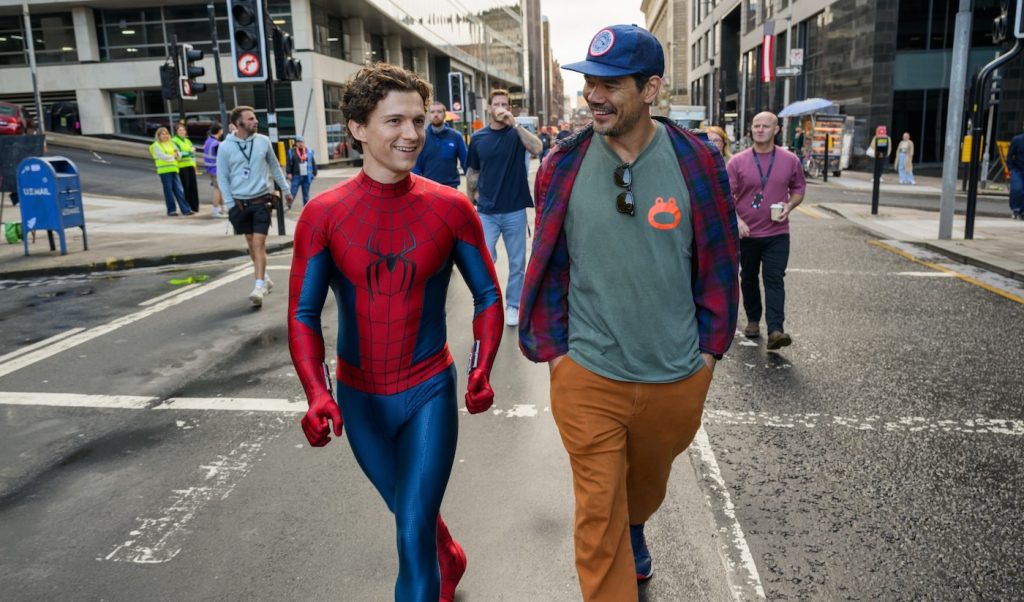
The visual tone and palette are reminiscent of the classic TV series and many older comic book panels.
It would be difficult not to consider everything that’s come before this movie. It’s ingrained in me. I was a projectionist at my local movie theater when the first Sam Raimi movie came out. I remember projecting the trailer, and it was a mini movie in itself. It had no footage from the film. It was a bank heist; they took off in a helicopter and got stuck between the Twin Towers and in a giant web. It was so cool and exciting that it’s a core memory from when I was a teenager. Being a projectionist was such an important stepping stone in my life. There are so many different iterations that people connect with, and some version of Spider-Man is theirs, whether it’s Toby [Maguire], Andrew [Garfield], or Tom. This was a chance for us to give Tom’s Spider-Man a fresh start, and we wanted to bring a new aesthetic and tone. For me, a huge inspiration in terms of the look was the classic comics. They use black ink, and there’s heavy contrast. Shadows are not grey; they’re black, and I leaned into that.
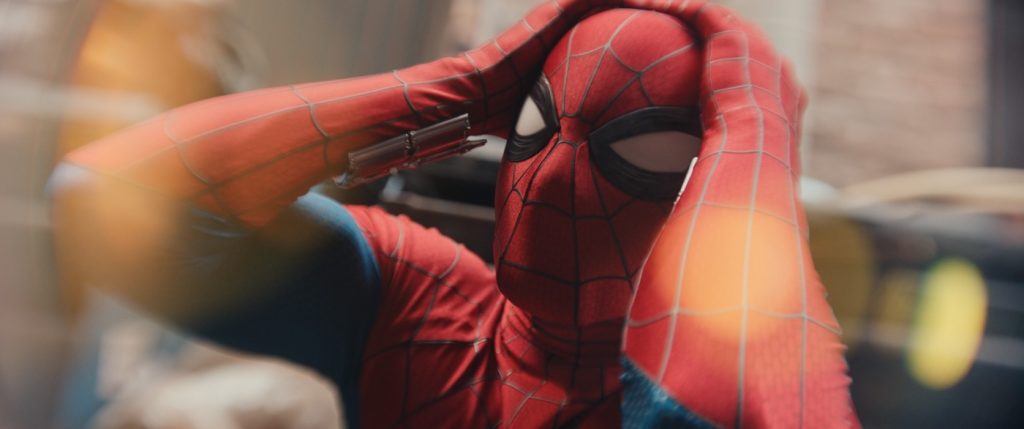
That’s very clear when Spider-Man is on The Punisher’s boat, sitting at a table.
It was intentional, and the more I leaned into it, the more surprised I was that people were responding to it too. Comics are graphic by nature. They are all about frames telling the story, and you don’t have all the in-between stuff. It was also a balance. As depressed as people love Peter Parker to be, audiences are also really enjoying the brighter, happier scenes between Ned, MJ, and him. If those scenes were as dark and gloomy as the Punisher’s lair, it wouldn’t work. It was about trying to find the tone in each scene as to where it can live in these different places, like a comic world. That would change with a different issue or a different artist.
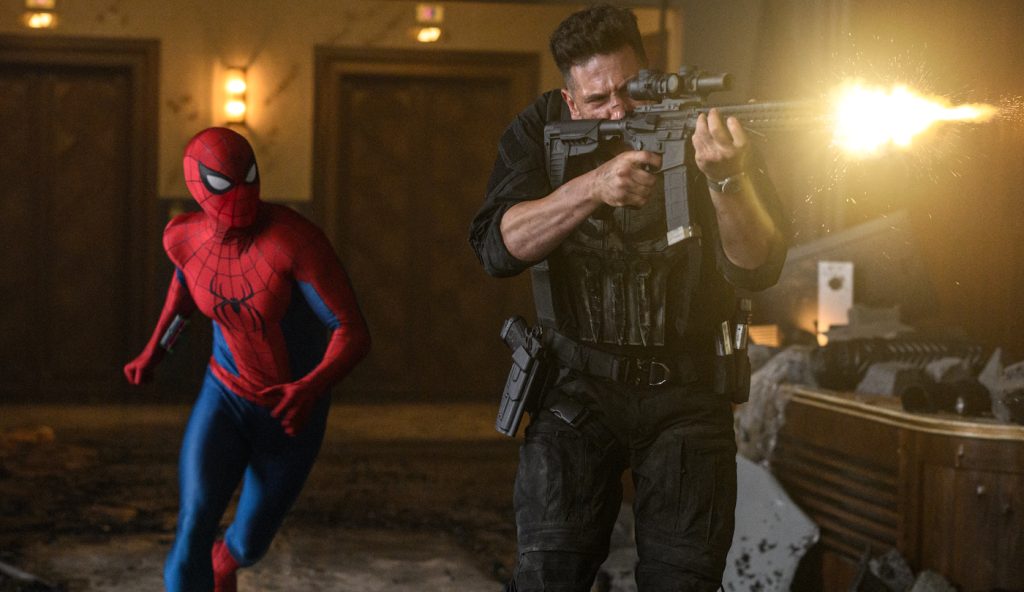
A lot of this was filmed in the UK, where there’s often a greyness to the light. Did that help create a softer, grounded, gritty tone?
Yes, that was a conscious choice of mine. When you go to shoot in the UK, the first thing everyone warns you about is the weather. We built a giant backlot at Pinewood, and that was going to be all natural light. I was leaning into the idea that we don’t have to try to make it feel like the sun is blasting down the avenue. In New York, when there’s a sunset, if you’re in the right spot, the sun is magically coming through and shining down that avenue, but nine times out of ten you’re on a side street, and buildings block the sun. Also, weather changes, and it plays a big part in our story, so we wanted to lean into the weather and the rain. I made it clear to our gaffer, Destin, and production designer, Charles Wood, that we should pretend we’re on the shady side of all the streets. There are scenes where it is sunny and beautiful, so we walked the line between how we portrayed the backlot and making it feel grounded and not inauthentic.
How did you find the UK crews?
The crews in the UK are so talented and experienced. I was very lucky to grab the crew that I did. When you start heading over to the UK, you reach out to other DPs and filmmakers who have worked there. I got lists of names, and it’s an overwhelming amount of people that you get recommendations for. Half of them just came off The Fantastic Four: First Steps; some had worked on Wicked with Alice Brooks, and my gaffer had just worked with Bill Pope, who worked with Destin on Shang-Chi, so there was a real familiarity everyone had with each other. Everyone had a real handle on what we were doing, and the crew sees their fingerprints on it. They helped me tremendously.
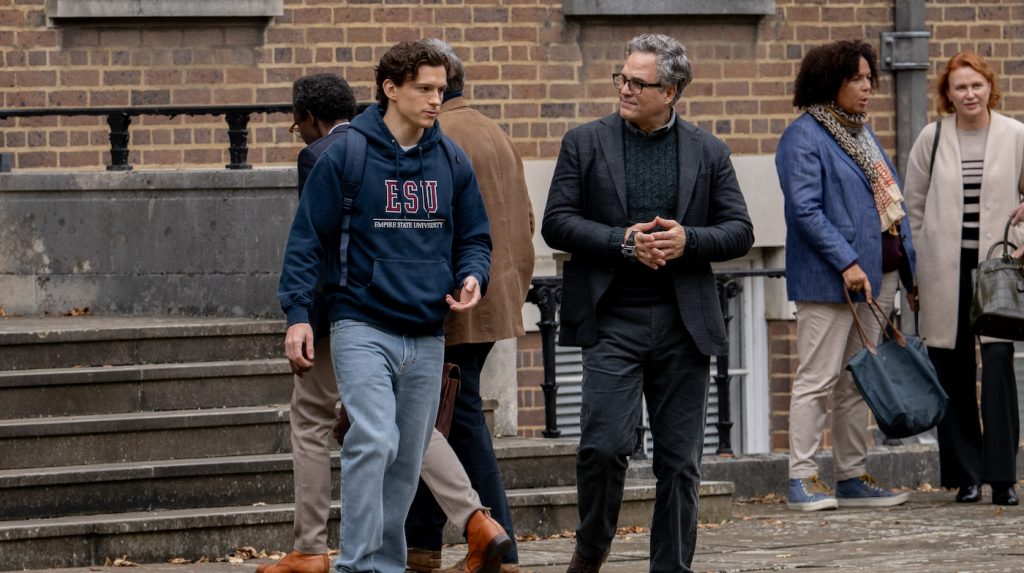
You are very deliberate with the use of space and how you frame and position characters in this. Again, it’s very reminiscent of the comics.
Charlie’s sets are extraordinarily considered, and working with him was an absolute pleasure. He was really considerate in how we were going to shoot scenes, and he was there every day, standing next to me at my monitor, being such a part of it. When we were talking about the sets in prep, he was thinking about the compositions just as much as he was about the tiny detail of pencil shavings on the desk.
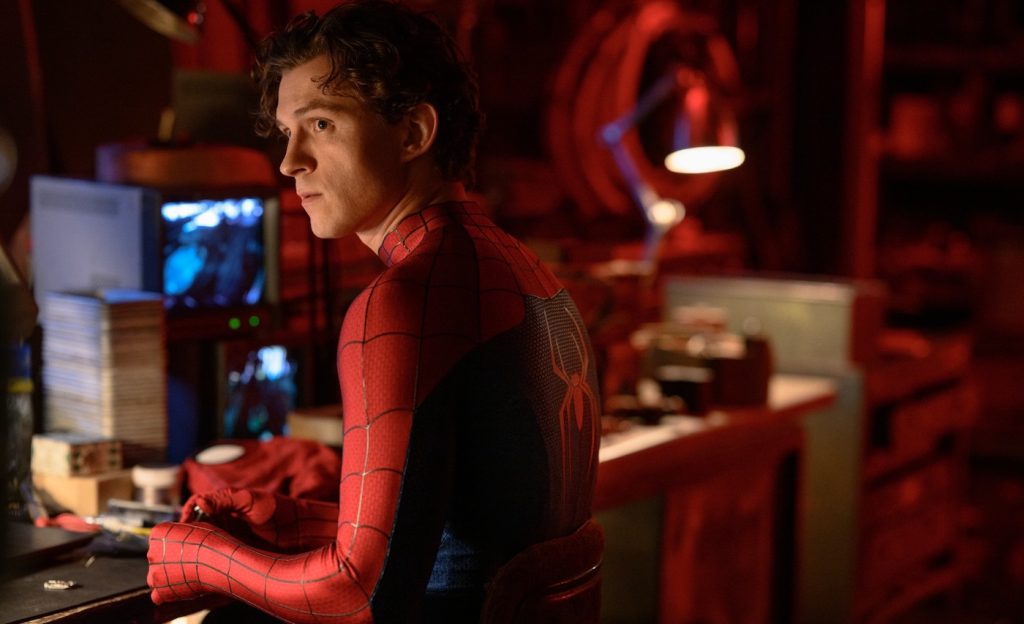
Charlie gave Destin and me a really great palette, creating a space to compose things in a way we felt was interesting. For instance, the compositions and the framing of those scenes in Punisher’s boat and in the apartments are references and a through line through Destin and my work. We joked constantly that we would be shooting a scene in Spider-Man: Brand New Day, and we could literally imagine ourselves shooting the scene for Short Term 12, which was the first feature that we did together. Hopefully audiences can follow that path and see that early work through to this work and see a continuity. Anytime Destin and I were talking about coverage, we’d throw out the craziest ideas and the most ridiculous ways of shooting something that seemed the most fun, but we knew that once we got down to the nuts and bolts of it, we’d see the actors performing, and we’d revert to the story and what angles and compositions would best serve that scene.
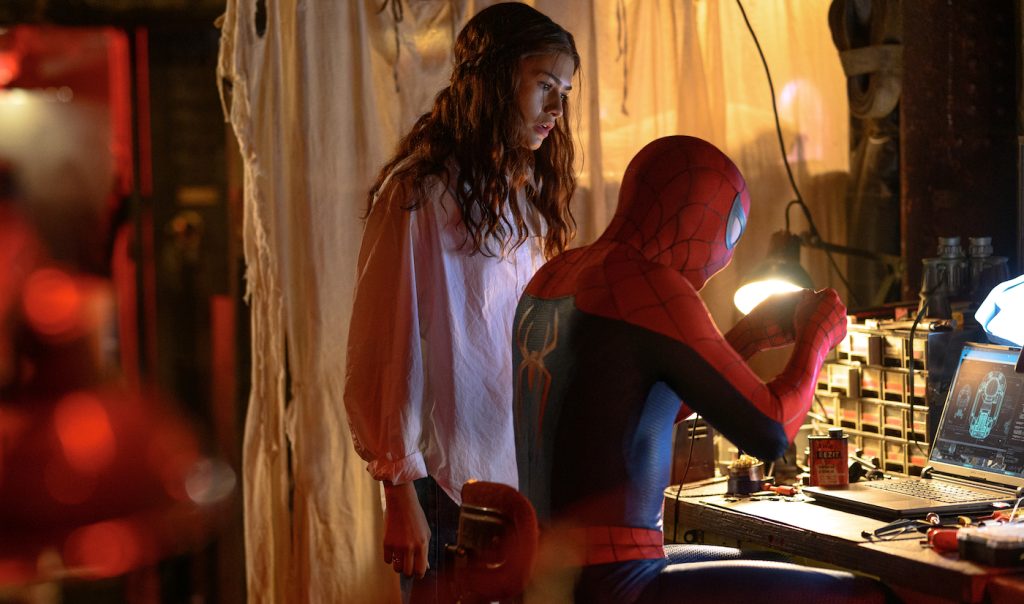
You can’t beat a shot where there is a frame within a frame. It’s a staple of photography and composition. Charlie built these sets in a way that allowed us to walk around the set and find those frames very easily. I try to shoot everything as practically as I can because being grounded is a key thing we’re trying to explore in this movie. Punisher’s boat was as small as it was. It had a hard ceiling, and the walls were wildable [meaning they could be moved as the crew saw fit]. One of the things I’m most proud of about the movie is that the intimate scenes feel intimate and composed, but when it expands, it does so into something equally extraordinary.
Featured image: MJ (Zendaya) swings through the city with Spider-Man in Columbia Pictures SPIDER-MAN™: BRAND NEW DAY. Photo by: Jay Maidment