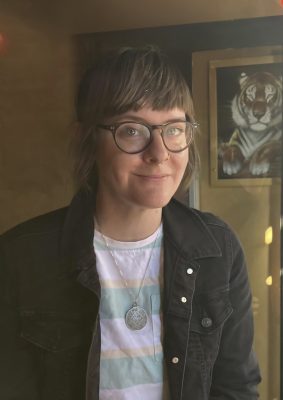
How DP Tari Segal Found Joy, Whimsy, and Intimacy in “Margo’s Got Money Troubles”
In many hands, Margo’s Got Money Troubles could have become unbearably bleak. The Apple TV+ series follows a young single mother (Elle Fanning) struggling to survive financially, who ultimately turns to online sex work to support herself and her child. On paper, the premise sounds heavy, even grim. Yet the series manages to feel buoyant, emotionally intimate, and unexpectedly joyful without ever losing sight of the realities at its core.
Much of that tonal balancing act comes from the show’s visual language, shaped in large part by cinematographer Tari Segal alongside fellow director of photography Carl Herse. Across the series, vibrant colors, intimate close-ups, kinetic camera work, and naturalistic lighting combine to create a world that feels grounded while still pulsing with emotional energy.
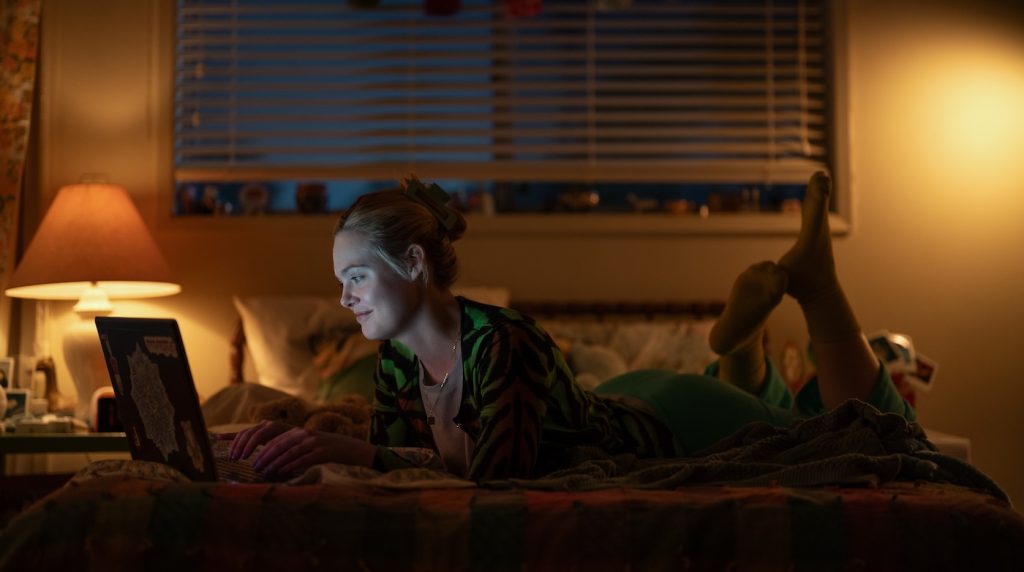
Speaking about her experience on the show, Segal explained that the production’s guiding philosophy centered on Margo’s resilience and determination. “The material on paper is very heavy,” she said, “but I think the thing that wanted to come forward was going on a journey with Margo. She’s a fighter, and she’s going to do it her way. You want to cheer her on.” That emotional perspective informed nearly every visual choice throughout the series. “You don’t want to feel sorry for her,” Segal continued. “You want to join her in this decision she made.”
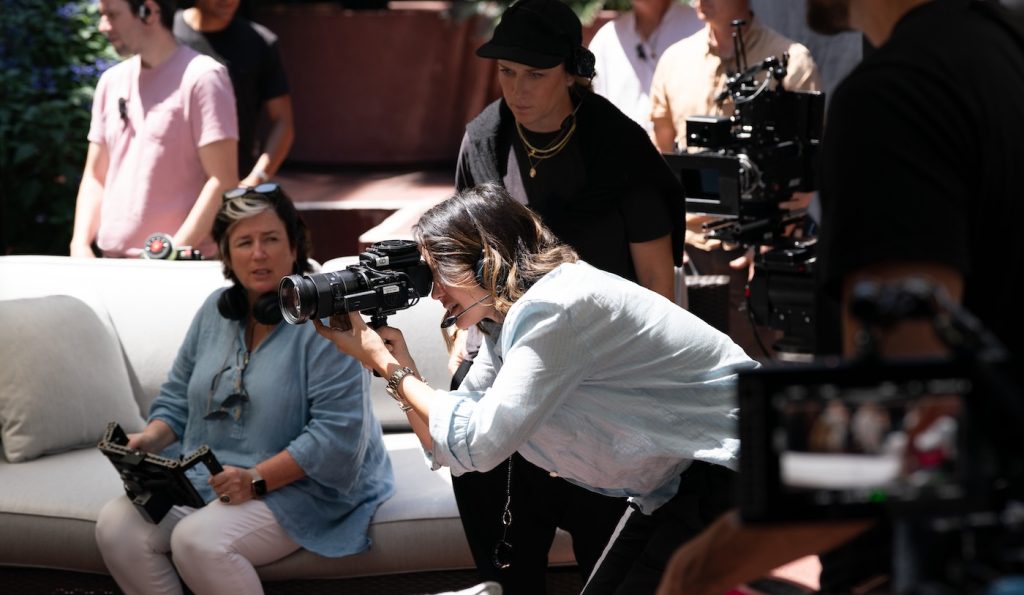
From its opening episodes, Margo’s Got Money Troubles establishes a visual style that feels intensely connected to its lead character’s emotional state. Scenes often move with a precise rhythm, shifting between energetic intimacy and quieter moments of observation as Margo navigates increasingly complicated circumstances. Segal credited producing director Dearbhla Walsh with helping shape that tonal direction from the beginning. “Dearbhla really takes the story and pushes us all to look further into how we can transform that visually to an audience,” she explained.
One of the team’s earliest creative instincts was to embrace a sense of whimsy, even during emotionally difficult scenes. Rather than trapping the audience in realism alone, the cinematography mirrors the way Margo experiences her own life in heightened emotional waves. “There are times when you’re very first-person with her,” Segal said. “You’re very in her world, and we’re wide, and we’re close, and the editing style and the shot style is almost like a music video because you want to feel her emotions.”
Music became an essential ingredient in that process. According to Segal, many of the songs were written directly into the scripts, and production often played them live on set during filming. “It’s supposed to feel like when you’re listening to that song when you’re getting ready, when you’re feeling a bit nervous for a job interview,” she explained. “The camera wanted to be there with her.”
That intimacy stands in deliberate contrast to the moments when Margo’s reality becomes impossible to escape. During scenes where setbacks begin to pile up, the camera language subtly shifts. “Then there were moments when we were distant, and we were watching,” Segal said. “We start to be a little bit more observant, a little more static, and we can’t escape reality.” The result is a visual experience that constantly shifts alongside Margo’s emotional state without ever feeling stylistically inconsistent.
Maintaining a cohesive aesthetic across a television series can be challenging under any circumstances, but particularly on a production involving multiple directors and two cinematographers. Fortunately, Segal and Herse discovered early on that they approached the material from remarkably similar creative perspectives. “Carl and I were hired around the same time, and our decks were very similar,” Segal recalled. “When we got to hang out and had a couple of drinks, as DPs do, and got to talking about it, the collaboration was just so easy and freeing for both of us.”
That creative alignment became foundational to the show’s consistency. The two cinematographers regularly shared ideas and approaches throughout production, ensuring that the series maintained a unified emotional and visual identity. “There was consistency because we were on the same page,” Segal explained.
That creative cohesiveness helped establish the show’s carefully balanced lighting philosophy. Rather than leaning into harsh realism or glossy stylization, the team pursued a naturalistic look that still felt flattering and cinematic. “Everything feels like it exists without being too gritty and without being too harsh,” Segal explained. “We kind of strayed more towards naturalism but without it being too sourcey.” Finding a balance became especially important given the series’s impressive ensemble cast, which includes Elle Fanning, Nicole Kidman, Michelle Pfeiffer, Nick Offerman, and Greg Kinnear. “It all had to feel very real without being too harsh,” Segal said. “It’s this delicate line that we had to constantly play with.”
Although Segal and Herse gathered visual references during pre-production, Segal noted that the team avoided anchoring the series too heavily to any single film or aesthetic template. Instead, the emphasis was placed on emotional texture and intentionality. “Close-ups were very important,” she explained. “They were very textural. You wanted to go in and grab it.” Close-ups became some of the show’s most striking imagery. Faces are often framed intimately, allowing audiences to sit inside moments of uncertainty, vulnerability, or exhilaration with the characters. Nothing feels disposable or perfunctory. “Nothing was just done to get the shot,” Segal said. “Everything had an intention behind it.”
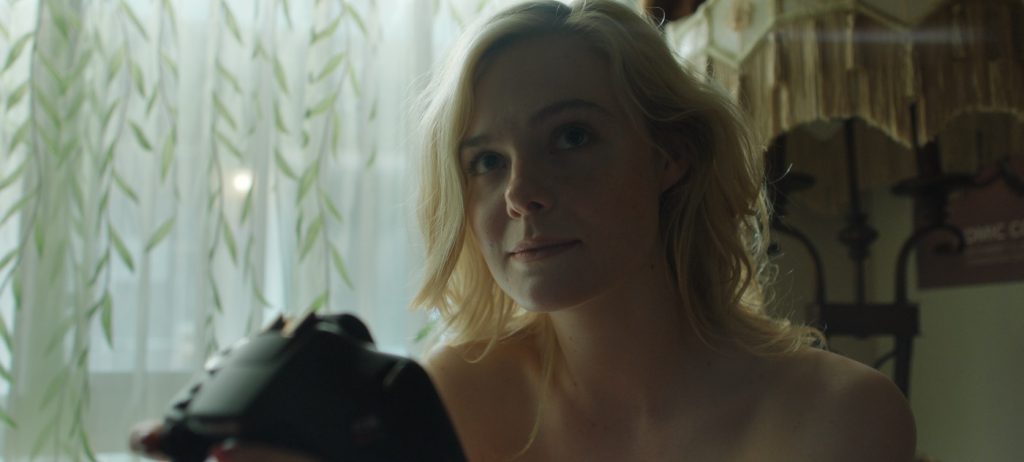
Even as the series incorporates handheld camerawork, fluid Steadicam movement, and slicker stylized sequences, the cinematography never calls attention to itself in a distracting way. Segal explained that much of the work became instinctual in the moment, especially as actors brought unexpected emotional textures to scenes. “We really left a lot of room for improv-ing,” she said. “The actors read something on the paper, and what they brought to life changed the experience in the moment. We had all the tools ready because that felt right at that moment.”
Technically, the production relied on relatively restrained camera setups, prioritizing emotional immersion over flashy technique. Segal said the team consistently returned to one guiding note from both the producers and Lewellen Pictures: stay grounded. “We didn’t really do anything out of the ordinary unless it was a real special shot,” she explained. The series was shot using the ARRI Alexa 35 paired with Panavision VA Prime lenses. For select moments requiring a more subjective or emotionally heightened perspective, the team incorporated specialty lenses, including Petzvals and HEROES lenses.
Segal specifically pointed to the Las Vegas episode as a moment when those tools proved particularly useful. “I used a lot of those in the Vegas episode to really isolate Margo from everything going on,” she explained. The production also benefited from a highly versatile camera team led by Steadicam operator Orlando Duguay. “Orlando is just magic on his feet,” Segal said.
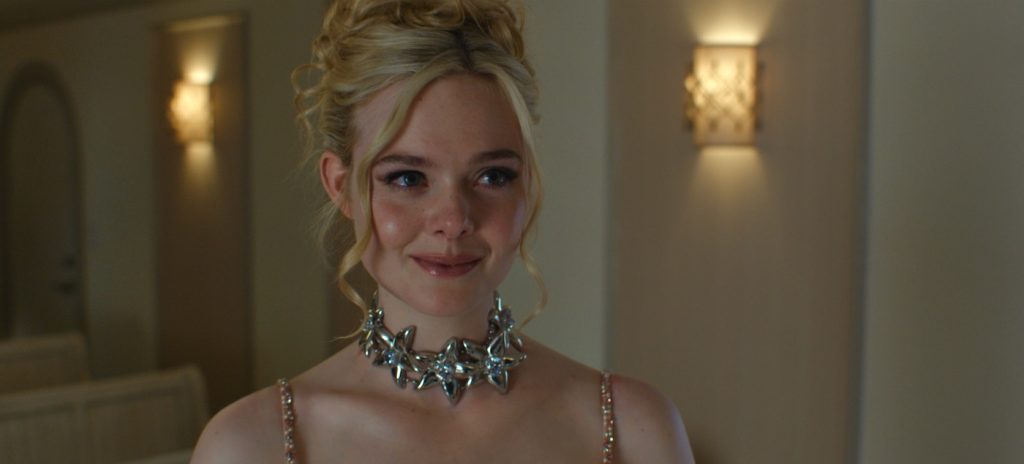
Some of the show’s most memorable sequences involve the camera gliding through cramped apartment hallways or weaving tightly around characters in motion. Segal credited both modern Steadicam technology and Duguay’s instincts for helping create movement that feels invisible to audiences. “The rigs today and what Steadicam can do is really amazing,” she said. “You can make something actually feel like it’s on the dolly.”
Even physically difficult locations demanded creative adaptability. During scenes filmed at WrestleCon, the bouncing wrestling ring forced the crew to rethink their setup entirely. “We had to go handheld,” Segal recalled. “We ended up paring down the camera very small so the operators could use their body to absorb a lot of that bounce.”
While the series was primarily filmed in Los Angeles, one of the production’s biggest logistical challenges came during a compressed shoot in Las Vegas. “We only had three days in Vegas to shoot that whole episode,” Segal said. Among the most difficult sequences was a large-scale magic show scene involving Margo, Shyanne (Pfeiffer), and Kenny (Kinnear). Production had only four hours inside the venue before its regular nightly performance resumed. “The show never stops,” Segal said with a laugh. “Even though we’re this tiny show that goes there.”
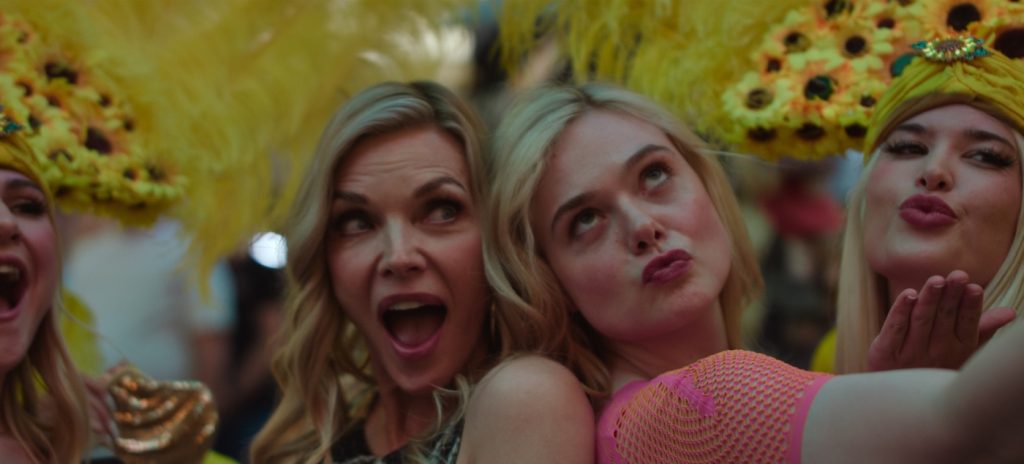
The crew raced across the Las Vegas Strip, moving equipment between locations while simultaneously coordinating lighting setups, live monitor feeds, multiple cameras, and venue-specific restrictions. Segal even brought in a third local Vegas camera crew to help execute the sequence efficiently. “It was an orchestrated plan,” she explained. “I had cameras looking this way, and cameras looking that way.”
The pressure only intensified because the team was uncertain whether certain technical elements, including live monitor feeds, would even work properly on the day. “It’s just one of those relieving moments where you’re like, ‘Oh my God, I need a drink,’” Segal joked.
Another particularly difficult sequence involved filming High Roller, the massive Ferris wheel on the Strip. Because the ride could only pause briefly, the crew had one opportunity to load equipment and capture the scene during a single rotation. “That took military precision,” Segal said. “We have one rotation because we don’t have time to do another one.”
The frantic schedule forced the production to creatively blend footage shot in Los Angeles with material captured later in Las Vegas, seamlessly stitching locations together onscreen. Segal recalled, “Most of it was [shot] in LA, and we did things where we’re inside, doing an argument with Shyanne and Margo in a restaurant, and they fight, and they run out, and one month later, we pick them up, shooting in Vegas.”
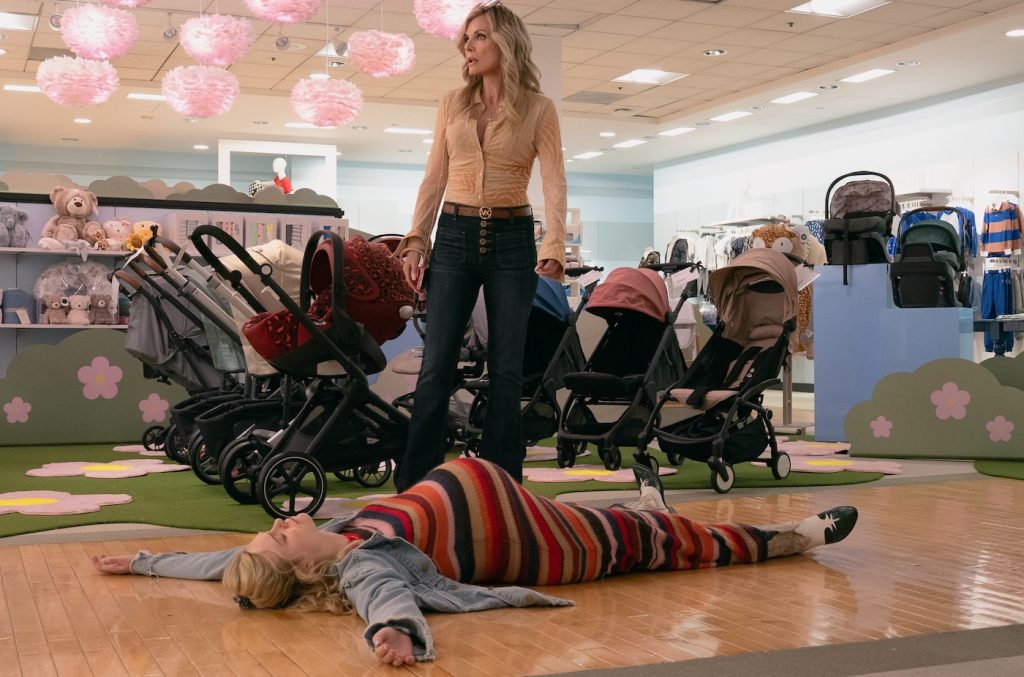
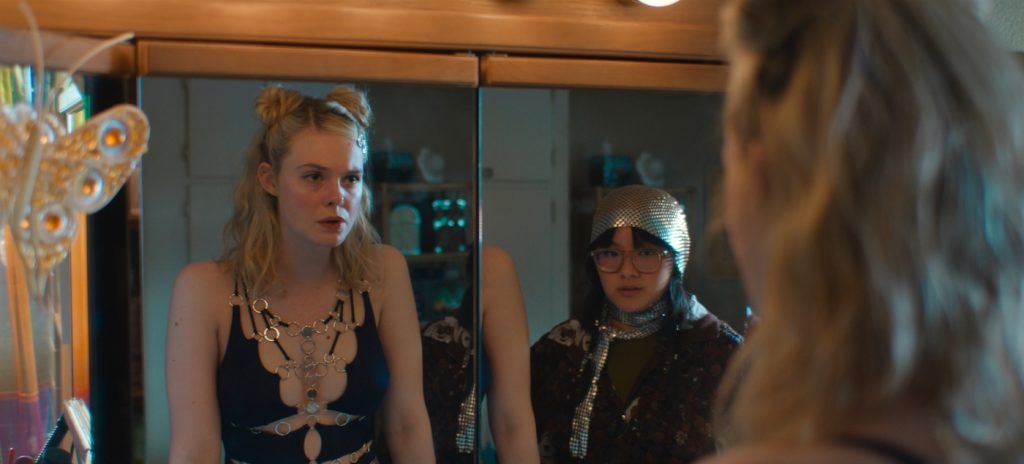
One of the most distinctive elements of Margo’s Got Money Troubles is its evolving color palette. As Margo grows more confident and self-assured, the show gradually embraces increasingly vibrant, saturated colors that reflect her expanding sense of identity. Segal acknowledged that this progression was intentional from the beginning. “It definitely transforms into this more colorful situation that she finds herself in,” she said, “in a positive way.”
Achieving that evolution required close collaboration with the show’s post-production team and colorist. Segal also emphasized the importance of establishing those choices early during filming through the work of the on-set digital imaging technician. “As we’re shooting, I definitely wanted to do a lot of that color,” she explained. “So I put that in on the dailies.”
Convincing the broader creative team initially took some effort, particularly because early conversations around the series emphasized realism and groundedness. But Segal felt strongly that the heightened color reflected Margo’s subjective experience of her world. “If you’re going with the idea that you’re with Margo’s experience, it felt like that’s what it needed,” she said. Over time, the production embraced that richer visual identity, ultimately finding a balance between realism and expressive stylization.
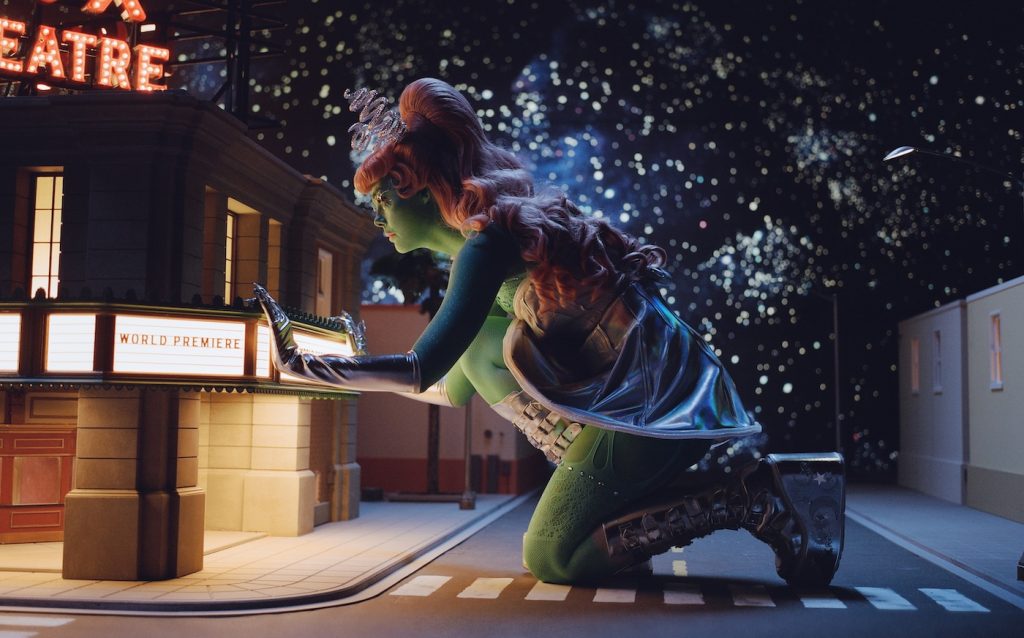
Looking back on the series, Segal hopes audiences come away feeling emotionally transported into Margo’s complicated but vibrant world. “I hope they can disappear into Margo’s world and have the most fun with this character and all the characters,” she said. “I hope it’s just such a joy to watch.”
Despite the show’s heavier themes, that sense of joy remains central to its success. Margo’s Got Money Troubles never ignores the realities facing its characters, but it also refuses to reduce them to their hardships. Through Segal’s emotionally attuned cinematography, the series captures the messiness, humor, anxiety, confidence, and unpredictability of survival in a way that feels deeply human. “We tried really hard to make the characters real people having real experiences,” Segal said.
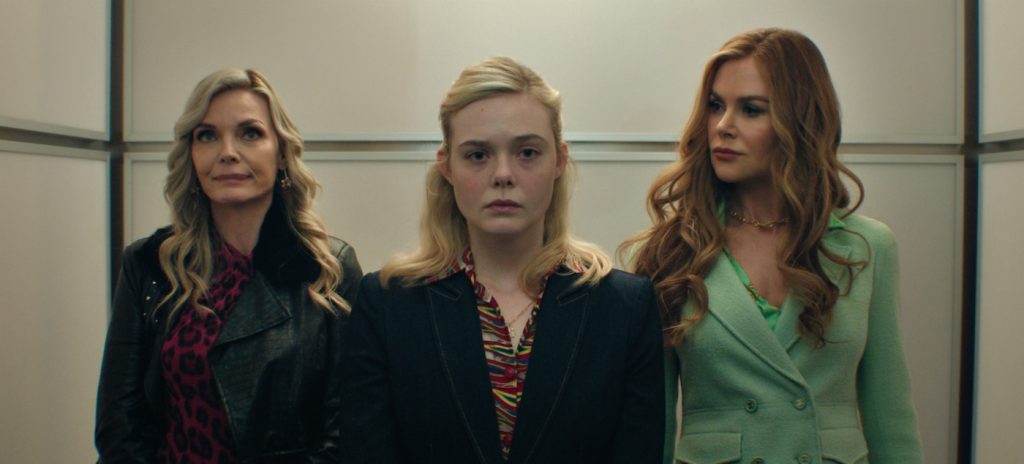
The authenticity that Margo brings ultimately becomes the series’s greatest strength. Beneath the vibrant colors, swirling camera moves, and carefully orchestrated sequences is a story grounded in emotional truth, one that invites viewers not simply to observe Margo’s life, but to live inside it alongside her.
Margo’s Got Money Troubles is streaming now on Apple TV+.
Featured image: Michelle Pfeiffer and Elle Fanning in “Margo’s Got Money Troubles,” now streaming on Apple TV.