Inside RSH Studios: The Historic Hollywood Lot Behind “Moneyball,” Brad Pitt’s Upcoming “Cliff Booth” Movie & More
The historic studio that hugs a stretch of Cahuenga Blvd in Hollywood may have changed its name (again), but its boutique charm has remained much the same.
RSH Studios traces its roots back to 1915, when it began as Metro Pictures. Over the decades, ownership passed through notable companies like Desilu Productions, Paramount Pictures, and Ren-Mar Studios. The lot became home to legendary productions, including I Love Lucy, The Andy Griffith Show, A Nightmare on Elm Street, The Golden Girls, and Who Framed Roger Rabbit. Then a new chapter began in 2010, when Jim Jannard, founder of RED Digital Cinema and Oakley, acquired the property and renamed it Red Studios Hollywood, hosting projects like Moneyball, The Hateful Eight, and Fast & Furious 9. When Nikon acquired RED in 2025, the historic lot was not included in the deal and was rebranded as RSH Studios.
Overseeing the lot is Peter Coleman, who was recently installed as CEO of STX Entertainment after the company was purchased by Crown Productions, the film-financing arm of insurance platform A-CAP. “I’ve got the studio because I’ve been close to the owners for a decade now. But my other businesses are located here at the studio,” Coleman tells The Credits.
Beyond leading the turnaround of STX Entertainment, home to titles like Guy Ritchie’s The Gentlemen, Aaron Sorkin’s Molly’s Game, and the Bad Moms franchise, Coleman serves as board member and CEO of Film Services International, which operates Film Finances (FFI), the 76-year-old completion bond company, along with several production and post-production businesses, including Pivotal EPS. With A-CAP owning 50% of FFI, there’s plenty of business group synergy.
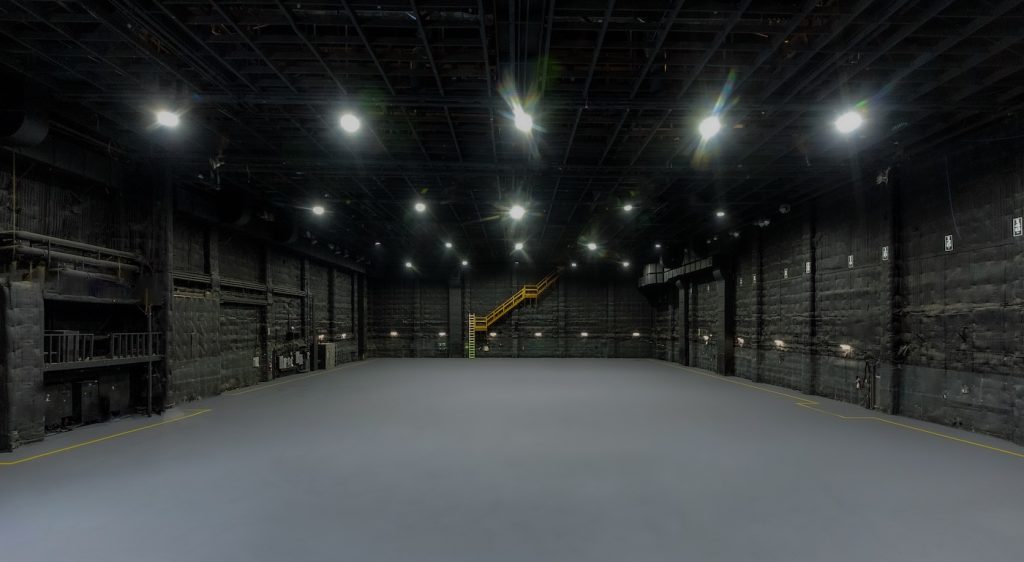
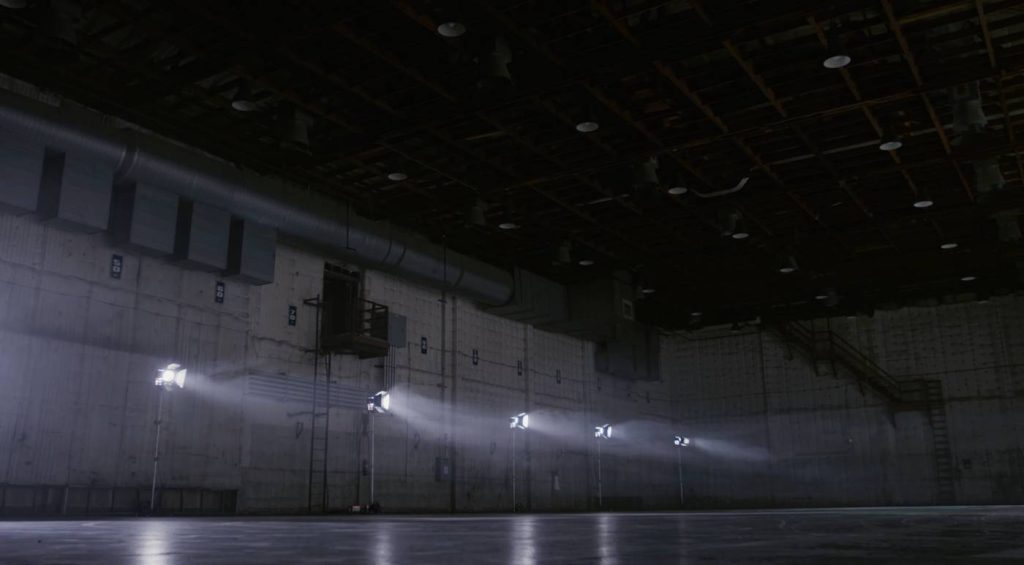
However, RSH Studios aims to preserve what California productions have long appreciated, including its five sound stages, eight modern office buildings, and numerous bungalows, while complementing them with the latest in network capabilities and comprehensive lighting, grip, expendables, and services.
Coleman sat down with us to discuss the current state of RSH Studios, the growing prevalence of television shows, and how the California film tax incentive is shaping productions.
With Nikon’s acquisition of RED, have there been any significant changes at RSH Studios?
Back when RED first purchased the lot, the camera business was really headquartered in Irvine, and they wanted something that kept the camera business tied to Hollywood. And I think, in many ways, it has given the studio the personality we have today.
How so?
It was bought to work with filmmakers. Yes, it operated like a studio, but it was more of an extension of the camera business. But about five years ago, we spun the studio business off from the camera side, partly recognizing that the camera business was eventually going to be sold. So we separated the businesses and started running the studio as a standalone studio.
Is Jarred Land still on the lot? [Land serves as a co-owner of RSH Studios and is a former co-owner and president of RED. After Nikon’s purchase, he is in an advisory role for RED]
Yes, Jarred is here on Stage Four, where he still operates it as a community center for filmmakers. So he brings in a lot of filmmakers, and they talk about emerging technology and developments in the business. And so the studio, even today with RED being a part of Nikon, still centers a lot around Jarred and his relationships. It’s a very filmmaker-centric studio. So whether it’s David Fincher, Brad Pitt, Ben Affleck, or whoever came over to see Jarred, all of his relationships are kind of the soul of the studio. So while it’s not a large studio, we end up playing at a slightly different level because of those relationships. And, frankly, it’s helped the studio in what has not been the greatest environment for all of us.
Has the business shifted since the pandemic?
We were very fortunate, actually, going into the pandemic, that we had just wrapped some shows, and we were pretty empty. We were shut down for three months, and during that time, we landed good-sized television shows. So, after about three months, we reached 100 percent occupancy. I think we did pretty well coming out of it because we don’t make broad deals.
You mean deals that lock you in long-term with specific productions or studios?
Exactly. It has proven to work for us to avoid long-term deals and stay flexible. We don’t try to forecast, say, three to five years out. Even in the days of Bosch, who was here for 10 years, they were always on a one-year deal that kept rolling over. Emerging out of the pandemic, we shifted and did a decent amount of television on our stages. The Masked Singer for a number of seasons, and we also brought over American Idol, which is still with us. We had not really historically done a lot of that work because our Stage 1 always felt like it was a little too big to rent out for television, but it turned out exactly what they needed for those shows.
Are features knocking on the door again?
Over the last few years, it’s been sort of television and streaming. But last year, we had Fincher’s The Adventures of Cliff Booth, and we’ve got another feature on the lot now. So there’s a little bit of adjustment back to features. We’re trying to be responsive to what’s available in the market. Television is reasonably consistent in our region, and features come and go. But I think with the tax credit, we’re going to see more pickup in features.
Heading STX Entertainment, you kind of see both sides of the tax credit. Is there anything you’re seeing right now?
I’ve got a couple of films we’ve applied for that didn’t receive the tax credit, which, in some ways, is unfortunate for us trying to get those movies made. But on the other hand, it appears that, for each application period, the tax credits are oversubscribed, which is great.
RSH Studios is a member of the California Production Coalition, which made an impact on the tax credits passed by the state. Did you like where they are at now?
I’m certainly positive about the work that’s been done in extending the tax credit. It’s good that the tax credits have become more open, where television and those types of production are grabbing up the production. But I honestly think California has more work to do. We have to be more competitive on the tax credit, and I think that would really benefit California in taking a bit more of an aggressive stance.
Any suggestions?
A good start would be to not cap the tax credit and make it open to more films here. In a lot of other territories, there’s no application for a tax credit. You qualify for the tax credit, and you get it. And I think California should really consider moving in that direction and see what that does for the environment.
Film is a unique industry that employs a broad range of people across all industries. Pick a show or a good-sized movie, and you’re talking two to three hundred people of all walks of life. These are high-quality, high-paying, skilled-labor jobs we should really want. And I think we’re not paying enough attention to the leakage of all those jobs or people having to reapply themselves. They are moving out of our industry into other industries or relocating to areas with more growth.
These are very difficult to adjust over time, so a simple increase in the tax credit is not going to fix the problem. We’re looking at decades of work, and I know the state is doing a lot. Everyone’s trying to make it easier.
This article is part of an ongoing series that raises awareness about businesses in the film and television community. RSH Studios is a member of the California Production Coalition. The series includes:
From “Dune” to “The Last of Us”: How Formosa Group Elevates Storytelling through Sound
Featured image: Brad Pitt stars in Columbia Pictures’ “Once Upon a Time in Hollywood.” Courtesy Sony Pictures.