Inside LA Center Studios, the Home of “Top Gun: Maverick,” “The Accountant 2” & More
If you head east on 6th street toward downtown Los Angeles, you’ll likely pass one of the city’s “best worst-kept secrets.” Nestled beside the 110 freeway, Los Angeles Center Studios has long been home to countless film, television, and commercial productions, including The Dark Knight Rises, Anchorman, and Top Gun: Maverick, along with acclaimed series X-Files, The Lincoln Lawyer, Winning Time, Six Feet Under, and Veep.
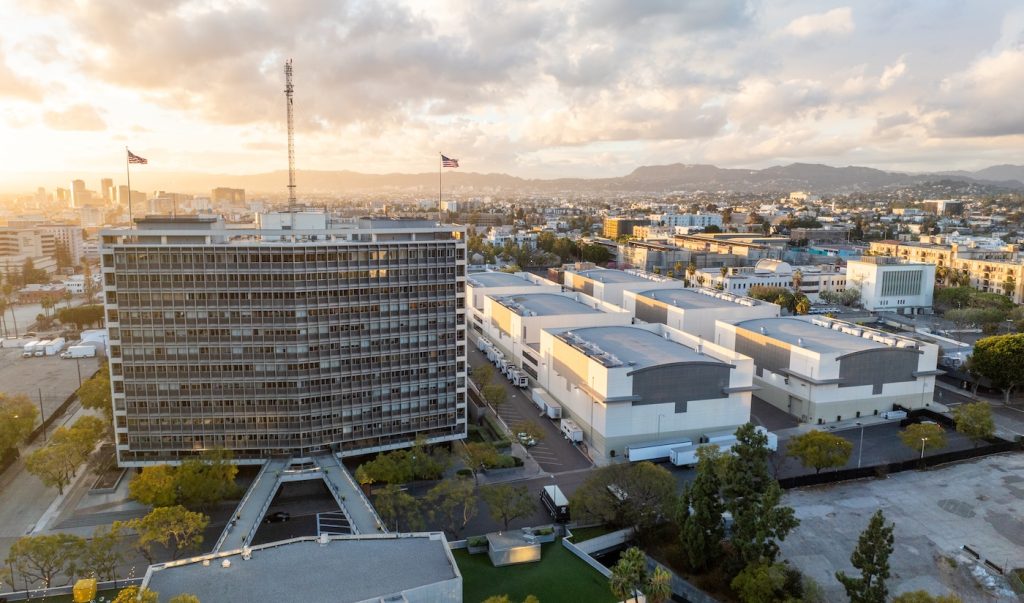
Originally built in 1958, the historic landmark has transformed into a 20-acre campus with six 18,000-square-foot sound stages, production offices, virtual production capabilities, and a full suite of amenities, making it the go-to facility for productions in Los Angeles.
“Our studios function as a true production ecosystem,” says Sam Nicassio, president of LA Center Studios. “We have the infrastructure of a studio lot, but with the flexibility and accessibility of an independent campus. Productions are not just renting square footage. They’re getting stages, offices, parking, on-site amenities, practical locations, and a team that understands the pace and complexity of production. That combination is a huge advantage, especially for projects that need to move efficiently.”
The facility has opened its doors to writers creating shows, casting offices, independent filmmakers, large-scale blockbusters, TV productions, advertising agencies, and even clothing companies, making the campus ideal for anyone who wants to be close to production activity without building out infrastructure from scratch.
In the conversation below, Nicassio reflects on the studio’s evolution, the impact of streaming on its business model, and what makes Los Angeles unique.
For those unfamiliar with LA Center Studios, can you share some history and what makes the campus unique?
LA Center Studios opened in 1999 and has grown into one of Los Angeles’ premier independent, full-service production campuses through adaptive reuse. What makes it unique is the combination of scale, location, and flexibility. We’re on a secure 20-acre campus in the heart of Downtown Los Angeles, making it a perfect base for any production. With six soundstages, turnkey production offices, practical locations, and basecamp lots, we are a one-stop shop for productions.
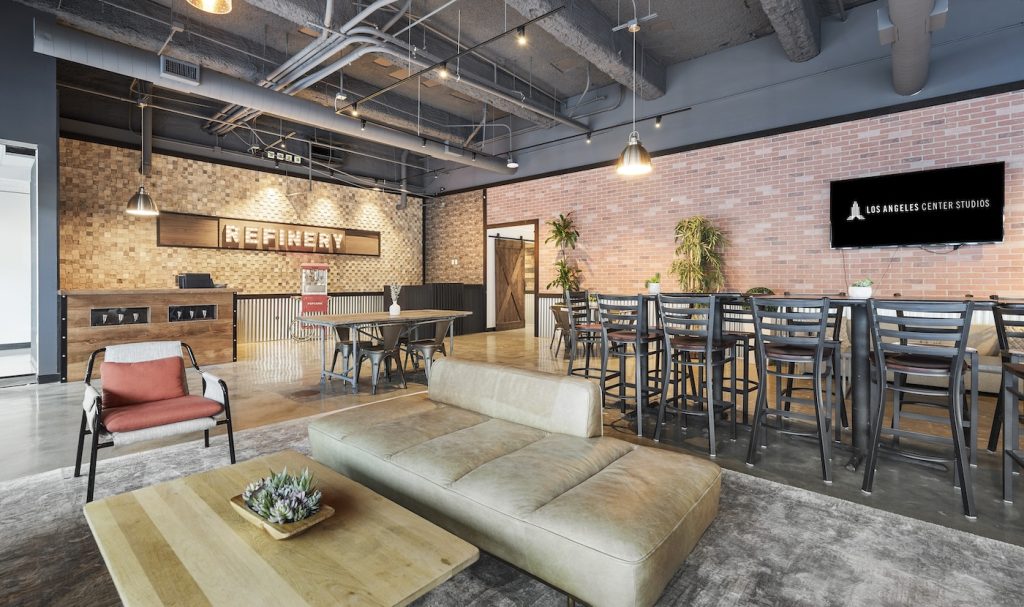
Productions can stage, shoot, office, meet, screen, and collaborate all in one place, without losing the energy and accessibility of DTLA. And with our Class A creative offices, parking, amenities, and now The Refinery, our creative co-working hub, we attract companies and individuals who use their office as an environment for growth and connection.
Speaking of the Refinery, can anyone obtain access to the co-working hub, or is it available only for renting productions?
The Refinery was created as a flexible creative hub for entertainment industry people. It offers co-working space, private offices, meeting rooms, communal areas, and a creative workspace designed for synergistic interactions. For productions already renting stages or offices, it can serve as additional communal workspace or meeting spaces. For non-tenants, they can become members of the Refinery and work on the lot, amid the energy and action of active productions. Off hours, the Refinery is an event space, great for wrap parties, mixers, and the like.
When renting a soundstage, what kind of services and support can productions expect?
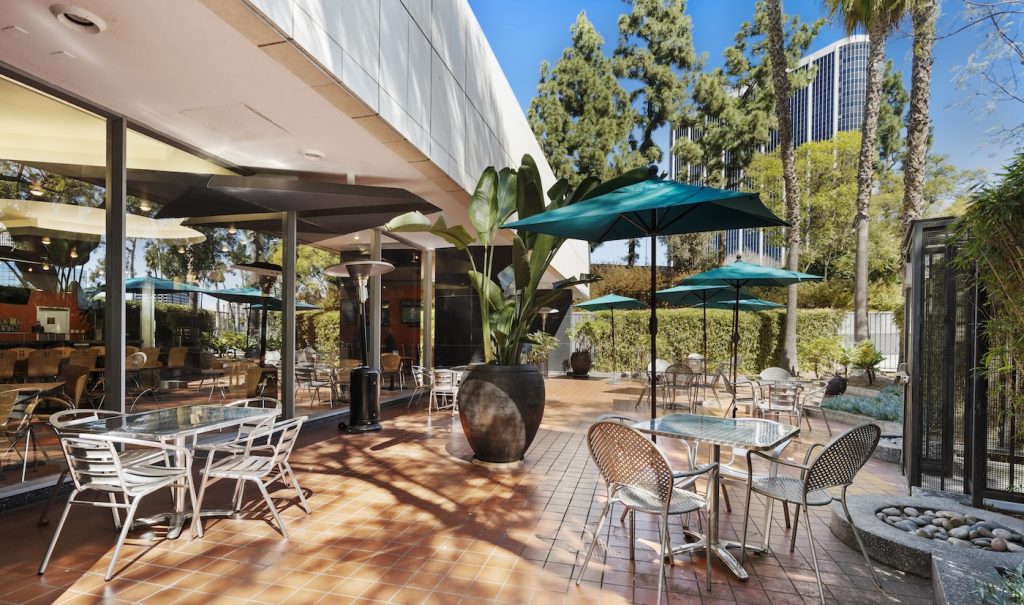
Productions can expect a full-service experience. Our production services team helps coordinate the operational pieces that make a shoot run smoothly, from basecamp parking to heavy equipment and lighting rentals. In addition to the stage itself, they have access to production offices, parking, an LED volume stage, an on-site car wash, a commissary, a fitness center, security, and practical campus locations. Every production is different, so our goal is to support each one in the way that best fits its schedule, crew size, technical needs, and creative vision.
Since you mentioned the volume stage where LA Center Studios partnered with Synapse to make virtual productions possible, have you seen an uptick in requests?
Virtual production has been used as a valuable tool, especially on tight production schedules. Our partnership with Synapse gives productions access to a flagship LED volume on Stage 4, while still offering the broader benefits of the LA Center Studios campus. That means productions can combine virtual production with practical locations and traditional stages. Maybe they need to do pick-ups at a location that’s hours away, but they only have the actor available for a limited time. With the LED volume, they can film the pick-ups in between set-ups on their regular set. For productions trying to stay in Los Angeles while expanding what is creatively possible, that’s a powerful option.
How has LA Center Studios evolved with the rise of streaming?
Streaming changed the speed, volume, and variety of production. The industry now needs spaces that can support features, series, commercials, branded content, digital content, and hybrid workflows. LA Center Studios has evolved by staying flexible. We’ve created spaces that are welcoming to podcasting, too. We’re not just a place to shoot. We’re a place where productions can build a complete workflow, from offices and stages to virtual production, meetings, screenings, and collaboration.
In creating that complete workflow for productions, what do you see as your biggest operational challenge today?
The biggest challenge is staying top of mind amid the influx of new stages. With incentives helping bring productions back to LA, we’ve been expanding our reach to let productions know about the new practical locations we have, as well as the addition of the LED volume stage run by Synapse. Technology keeps evolving, and we’re glad to be able to offer the best. Budgets are watched closely. At the same time, crews still need a reliable, well-run campus with security, parking, offices, stages, amenities, and support. Our job is to make the experience feel seamless, even when the production world around us is moving fast.
Taking a step outside of LA Center Studios, are there any obstacles filming in downtown Los Angeles you’d like to see ironed out at the state or local level?
Los Angeles remains one of the most important production centers in the world, but anything that makes filming easier, faster, and more cost-effective helps keep production here. Streamlined permitting, continued tax incentive support, and policies that reduce friction for productions are all important. The more Los Angeles can support productions operationally and financially, the stronger the local industry will be.
Since California passed its latest film tax incentive, have you seen an increase in studio rental requests?
The expanded California Film and Television Tax Credit Program is an encouraging sign for the industry. The state increased the annual program from $330 million to $750 million, and recent state reporting shows a 53% increase in approved productions compared with the same period last year. We have benefited from this program, especially as the use deadline approaches.
Are you seeing any trends in the types of productions choosing Los Angeles versus elsewhere?
Productions that need access to experienced crews, talent, vendors, post-production resources, and complex infrastructure still see Los Angeles as incredibly valuable. The projects choosing LA tend to understand that the creative talent pool and production infrastructure here are hard to replicate. And some shows are set in the Golden State, which makes filming here a no-brainer.
Exactly. Are there any recent projects filmed at the studio that might reflect where the industry is headed?
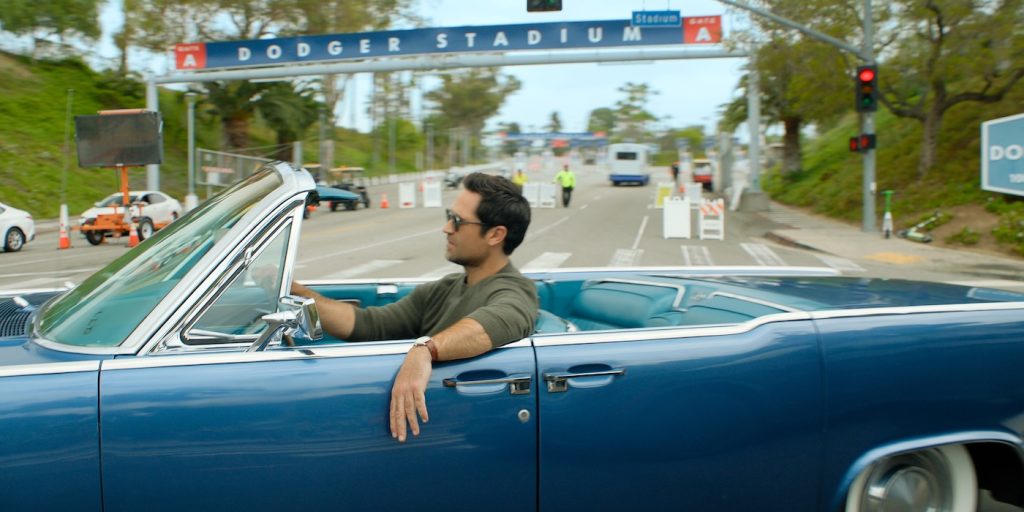
A strong example is The Lincoln Lawyer, which films in Los Angeles, using the city as a main character to highlight its unique atmosphere. Production spotlights local landmarks, dining spots, and diverse neighborhoods across LA County. This production also works with Los Angeles-based non-profit ManifestWorks to provide job opportunities to locals, supporting the local community while filming.
Looking ahead, what do you see as the long-term vision for LA Center Studios?
The long-term vision is to continue building LA Center Studios as a complete creative campus for the future of production. That means supporting traditional film and television, embracing virtual production and new technology, expanding flexible workspace through The Refinery, and continuing to make it easier for productions and creative companies to do their best work in Los Angeles. The industry is global, but Los Angeles still has a creative gravity that is hard to duplicate. Our goal is to keep giving productions a reason to stay, create, and grow here.
This article is part of an ongoing series that raises awareness about businesses in the film and television community. LA Center Studios is a member of the California Production Coalition. The series includes:
From “Dune” to “The Last of Us”: How Formosa Group Elevates Storytelling through Sound
Featured image: The Los Angeles Studio Center.