Inside Ana Nogueira’s Journey From Actor and Playwright to “Supergirl” Screenwriter
Superhero screenwriter has to be one of the more coveted job descriptions in Hollywood, so competition to write Supergirl for DC Studios, co-run by Superman director James Gunn, would have been fierce when Brooklyn-based actress Ana Nogueira beat out the usual suspects to win the assignment.
Not that Nogueira was a neophyte. She’d appeared on stage and in TV series like High Town, The Vampire Diaries, and The Michael J. Fox Show, but between acting gigs, she wrote well-received plays that earned attention from movie development executives. After writing an earlier draft of Supergirl during the pre-Gunn era, producers Chantal Nong and Peter Safran invited Nogueira to take a crack at a new approach based on Tom King’s eight-issue “Woman of Tomorrow” comic book. “They basically said, ‘Anna, go read this comic and see if you can come up with a take,'” Nogueira recalls. She read, she pitched, she got the job.
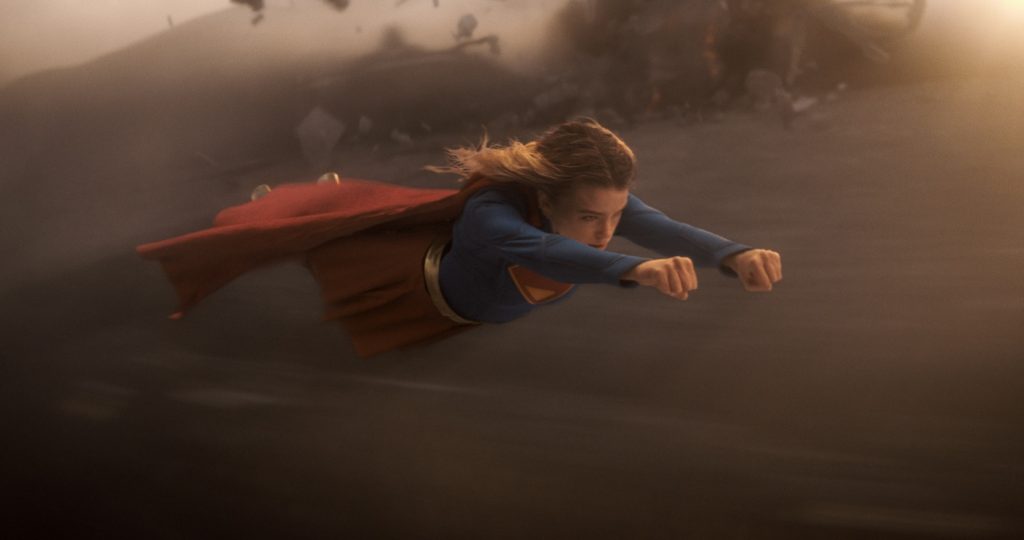
Directed by Craig Gillespie, Supergirl (in theaters now) stars British actress Milly Alcock as Krypton refugee Kara Zor-El. She gets drunk on her birthday before being forced to go on a mission to save her dog Krypto and help a young girl (Eve Ridley) avenge her family’s murder by the villainous Krem (Matthias Schoenaerts), with assistance from cheerful cousin Superman (David Corenswet) and wild card bounty hunter Lobo (Jason Momoa).
Speaking from Brooklyn, Nogueira details how her acting experience helped her understand character arcs, salutes her childhood hero Catwoman, and explains why she sees Alcock as the perfect embodiment of Supergirl.
Like Kara in Supergirl, it seems like you’ve experienced quite a journey, professionally, because it’s pretty rare for an actor to shape-shift into becoming a screenwriter. How did your acting skillset prepare you for knowing how to write a big superhero movie?
I don’t think anything prepares you for knowing how to write a big superhero movie [laughs]. But I do think that all writing, even when you’re doing something giant, is really just about a character’s journey, and that’s also what acting is. For me, both things come from the same place, which is being interested in a character’s backstory, what they need to learn, what they want that’s right, and what they want that’s wrong. You do all that stuff as an actor until eventually it becomes innate, and then [those questions] sort of move through you in the same way when you write a script.
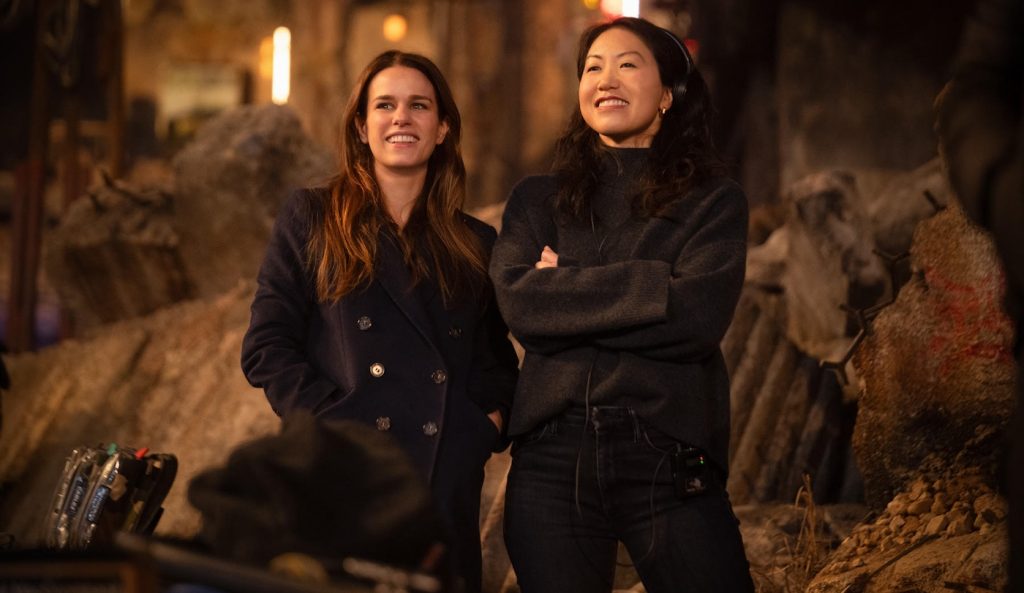
You co-wrote and starred in a darkly funny short film in 2019. Did you make We Win as a calling card to show Hollywood what you could do as a writer?
Sort of, but honestly, the things that have been more my calling card were a couple of plays I wrote. That is when I first started writing samples, as they say, that were sent around to show what I could do.
Even with Hollywood becoming aware of your writing talents through the plays and writing samples, it’s still a leap to get hired for a DC Universe studio movie. How did you pitch DC boss James Gunn on your approach to Supergirl?
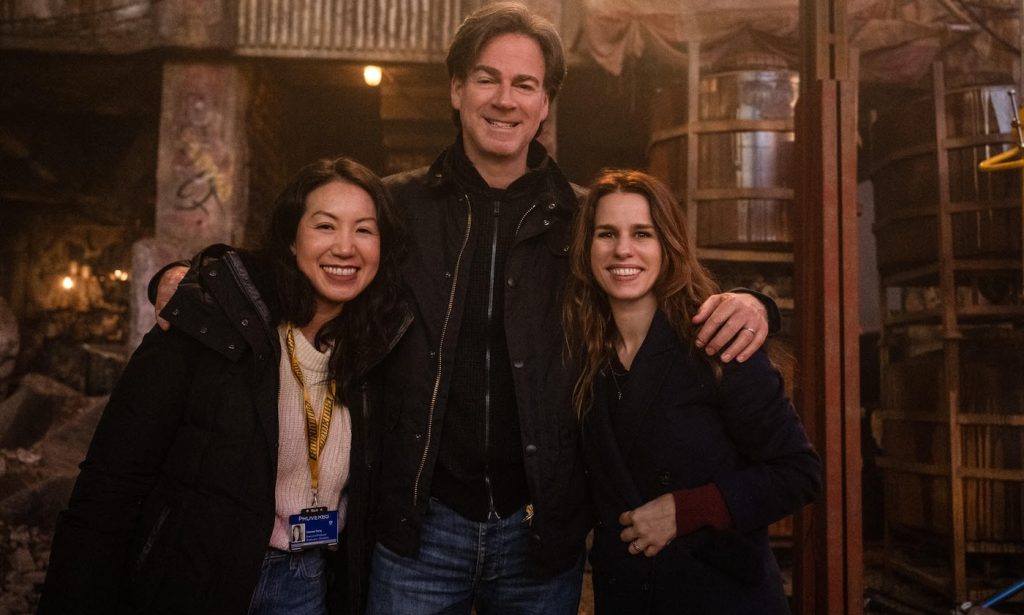
I actually worked with Chantal Nong, who’s a producer at DC, a couple of years before.
When you wrote an earlier version of Supergirl before Gunn took over the studio, right?
Yes. So when they decided to make a movie based on this Tom King comic “Supergirl: Woman of Tomorrow,” they were basically, like, “Anna, go read this comic and see if you can come up with a take.” I also knew the producer Peter Safran, and James was sort of the last piece of the puzzle. It was very straightforward: We met for the first time when I gave the pitch and got along extremely well. We both had sort of the same vision, so that was that.
It must have been a great pitch! I imagine there’s a performance aspect to it?
There is a performance to it, and I think my acting life helped there, just because you’re basically talking for half an hour by yourself, describing the movie. It’s quite exhausting because you need to take people on the movie’s journey. I would also say that pitching, I think, is everyone’s least favorite part of the job. Even though I feel like I have a bit of a leg up because of acting, I still find it absolutely grueling and daunting. But for me, the most important thing in a pitch is just that I have to feel really connected to the story. I can’t fake it.
As a kid, were you a comic book nerd?
It really wasn’t what I was into. But growing up, I always loved Batman Returns with Michelle Pfeiffer’s Catwoman. I loved Terminator 2, and when I was really little, while other kids had Little Mermaid posters, I had a Kindergarten Cop poster in my room. So even though I wasn’t really a comic reader, I’ve always loved comic book movies, action movies, and genre movies. They helped define my sensibility.
Supergirl star Milly Alcock brings a kind of fierce charisma to the role of Kara. Had you seen her play young Princess Rhaenys in the HBO series House of the Dragon before you started writing the script?
No, I hadn’t, but James had, and he immediately was like, “I want Milly Alcock to play Supergirl.” We still saw a bunch of great actresses, but as soon as I saw her audition, I thought: “Milly is Kara, exactly.”
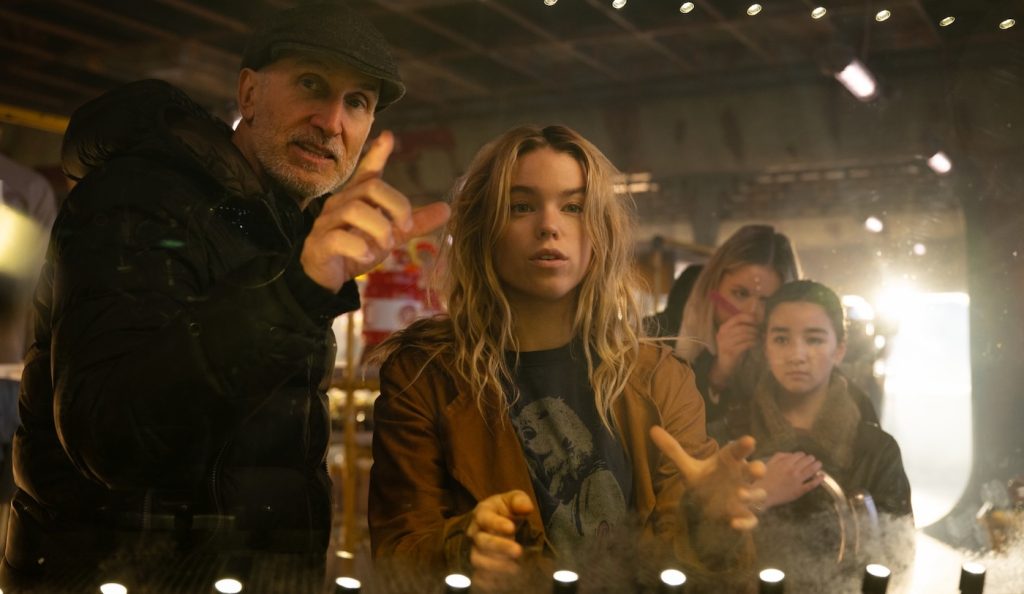
Kara’s allies in this movie are Lobo, Ruthye, and Superman, plus her scene-stealing rescue dog Krypto. Do you have a dog?
I had a very bad dog in my twenties and thirties.
A bad dog?
Yeah, like Krypto is kind of a bad dog, right? Not perfectly trained or whatever. Our little terrier was rough around the edges. I adored him deeply.
What was his name?
His name was Leo. We named him Leo McGarry after the [John Spencer] chief of staff from The West Wing, who was also quite a grizzled character.
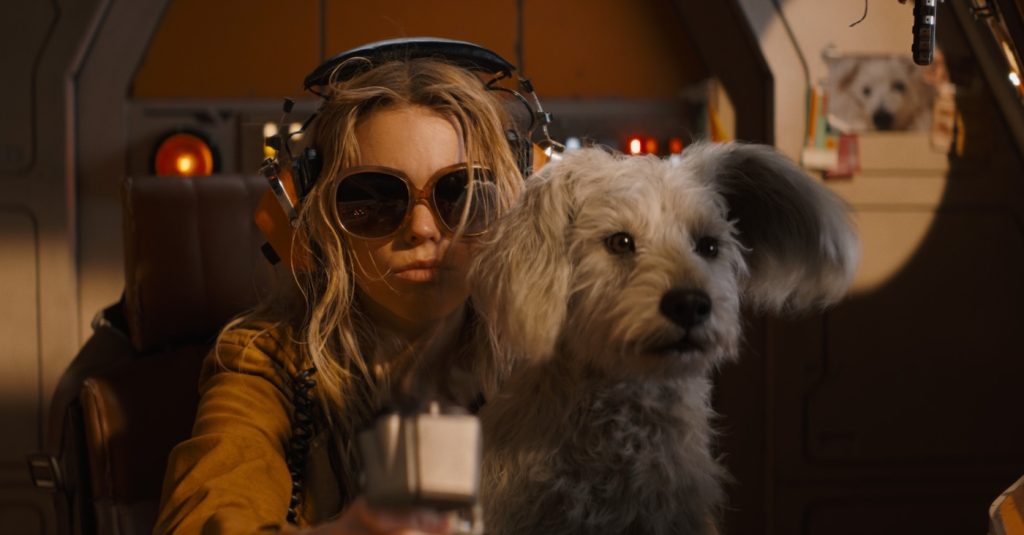
Besides being adorable, Krypto means a lot to Kara. Why is that?
She finds Krypto on the day of her mother’s funeral, so he represents the planet she had to leave, her parents, and everything she lost. All of that makes [their relationship] ripe for emotion. Dogs are usually beloved on screen for being sweet little angels, but then you have your Marley and Me kind of situation where a dog brings chaos into your life in a way I find to be really special.
Using “Supergirl: Woman of Tomorrow” as a foundation, what did you want to emphasize or change as you adapted this eight-issue series into a two-hour movie?
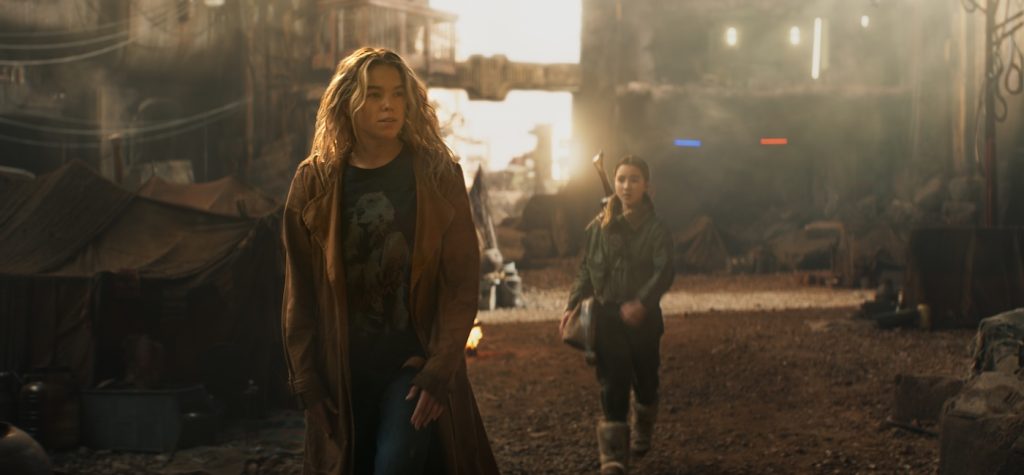
The thing I wanted to emphasize was that Kara is quite lost. I was fascinated by her backstory, so I knew we had to bring that from the comic into the movie. And since we were introducing this character on screen for the first time in 40 years, we made Kara a little more unsure of herself and unsure of her place as a hero in the universe, just to give her a little bit further to go. Also, we had to add a ticking clock that doesn’t exist in the comics, just because it’s a movie.
Milly Alcock really seems to get what you’re going for with her “reluctant hero” performance. How do you see her resonating with girls?
If I were 16 and saw this movie, I would just lose it over how cool Milly is. She’s tough and sardonic, but she’s also got so much heart, and she comes by all of that honestly. I also think she’s an awesome role model for girls who can see someone who’s fully themselves, unapologetic, but ultimately quite kind.
And, at times, quite messy.
Yeah, very messy. I mean, I was very messy in my 20s. This movie is for all the girls with the dishes piled up in their sinks. But that doesn’t mean you’re not worthy of greatness and finding yourself, even if you take the long way around to get there.
Supergirl is in theaters now.
Featured image: Caption: (L to r) Milly Alcock as SUPERGIRL and Matthias Schoenaerts as KREM in DC Studios’ and Warner Bros. Pictures’ “SUPERGIRL”, a Warner Bros. Pictures release. Photo Credit: Photo by Parisa Taghizadeh