Writer/Director Kirill Sokolov on Zazie Beetz, Cult Mayhem, and the Nine Circles of Hell in “They Will Kill You”
Director Kirill Sokolov’s action-horror-comedy They Will Kill You stars Zazie Beetz as Asia Reaves, a sympathetic ex-convict who turns up in the pouring rain at the front door of the Virgil, a creepy if grand apartment building where she’s expected to start work as a maid. Greeted by Lilith (Patricia Arquette), the building’s superintendent, Asia’s new job is sinister from the start, with something crawling in her bedroom’s air duct and one of the building’s residents, Sharon (Heather Graham), ominously telling her, “We need you strong.” The strength is clearly not for mere mopping and dusting. Asia’s walked into a Satanic cult, the Virgil is inescapable, and its residents are out for blood.
For Asia, the cult is both a threat to life and limb and, more importantly, a hindrance to her real aim, reuniting with her estranged younger sister, Maria. While Asia was in prison, she learned to fight, and Sokolov turns the story into a range of fun, violent hijinks, but the heart of They Will Kill You is the sisters’ relationship and the very different ways they react to landing in the same dire circumstances.
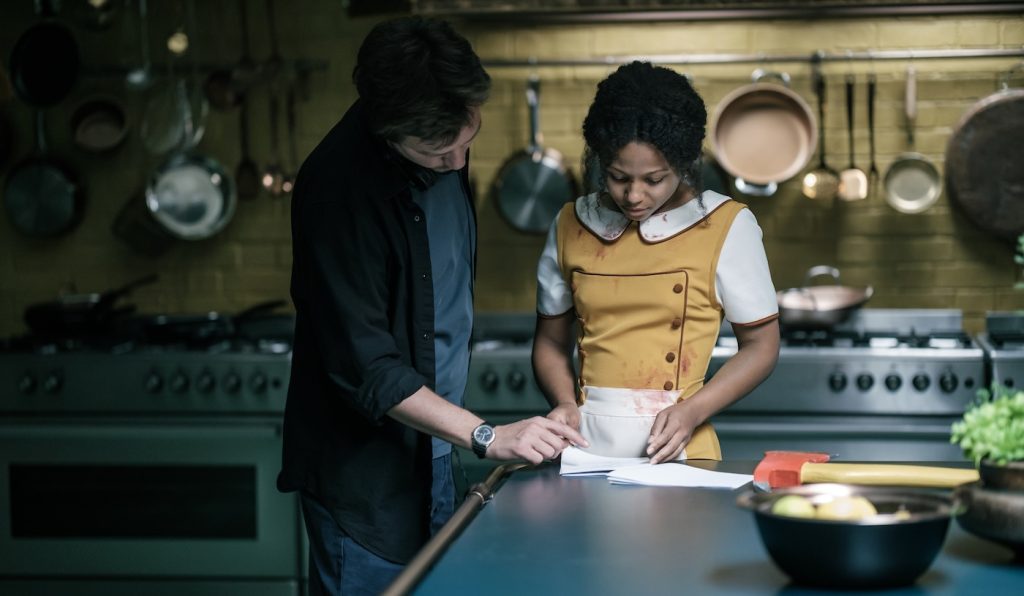
We had the chance to speak with Sokolov about drawing on references from Hong Kong action cinema to Rosemary’s Baby, working with stars like Beetz and Arquette, and modeling the Virgil after the nine circles of Hell in Dante’s Inferno.
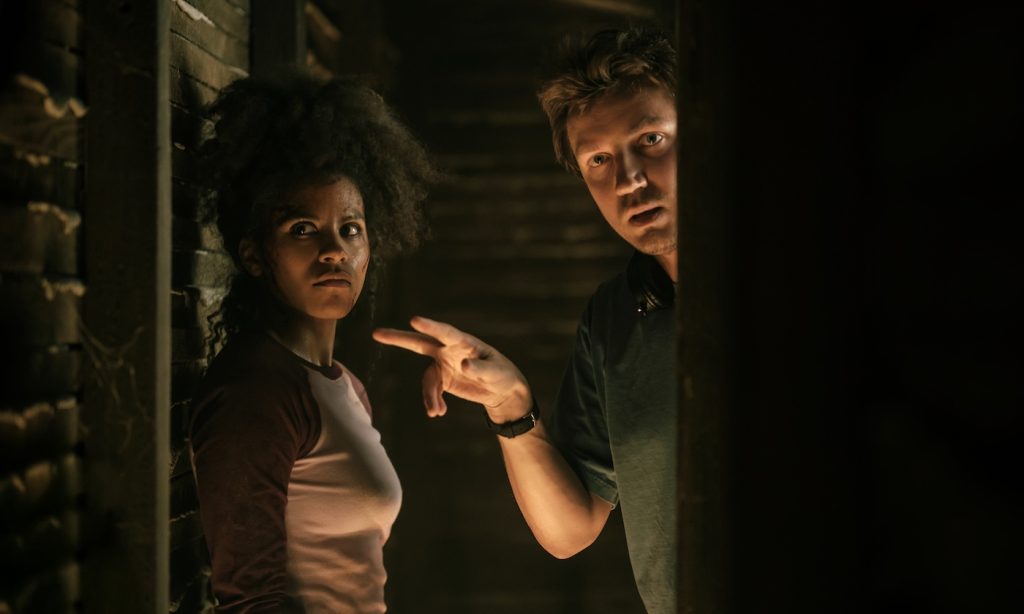
What was your inspiration for the script?
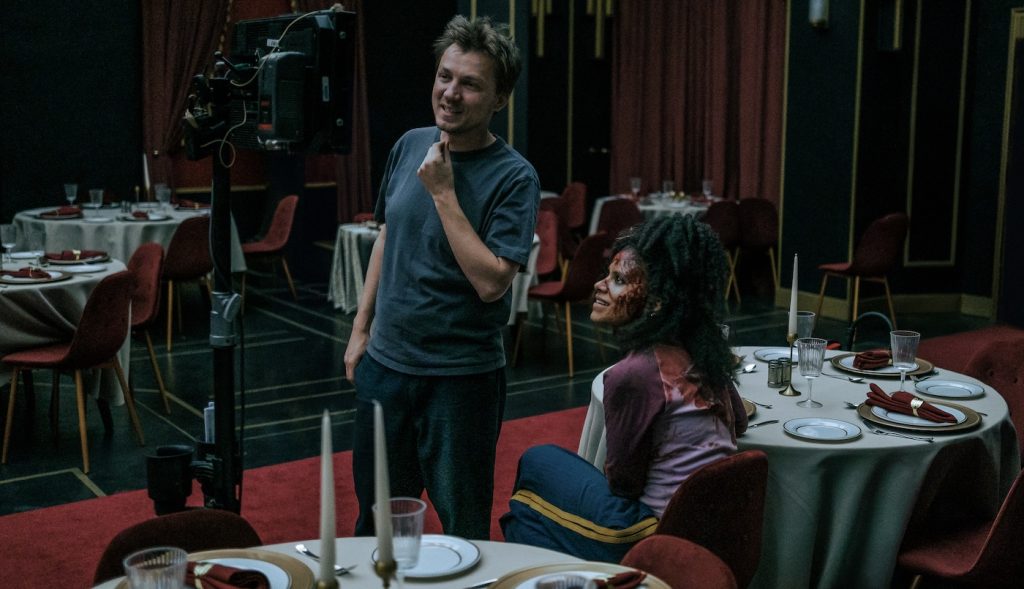
Around ten years ago, my wife and I rented an apartment in a strange sixteen-floor building. In a week of living there, we understood that we were the only two people younger than sixty-five. And then at some point, I did construction on the kitchen, and I moved the kitchen cabinet, and there was a huge hole leading to my neighbor’s apartment. That was so strange. We started this running joke that we live in a cult, and at some point, they will come and sacrifice us. I fully forgot about it until a couple of years ago, I re-watched Rosemary’s Baby, like, wait a second, it’s exactly where I was. And from [there] I pitched this idea to Alex Litvak, my co-writer.
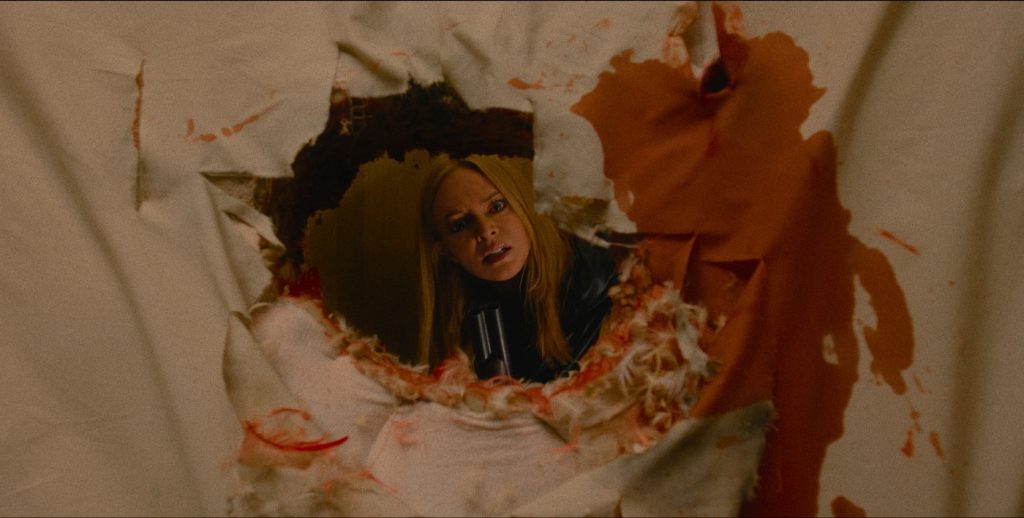
How did the Rosemary’s Baby inspiration inform what we see on screen?
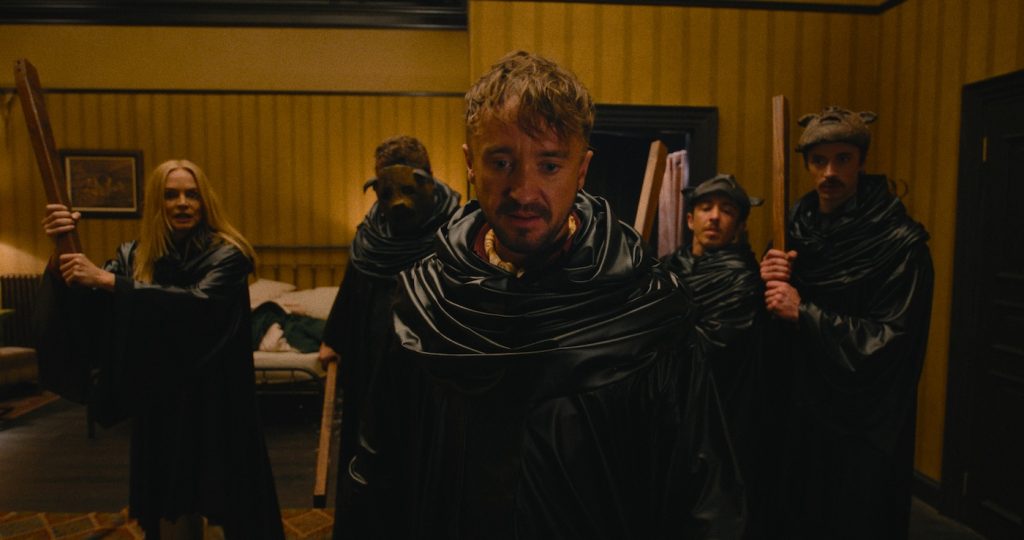
We knew we would start the movie like Rosemary’s Baby, then take a hard left and break all audience expectations, trying to surprise them as much as possible. It was a big inspiration, and in some design decisions, there are some references. These hallways, they’re very different, but you can see touches and elements that refer to that [film].
What were your main directives for the interior of The Virgil?
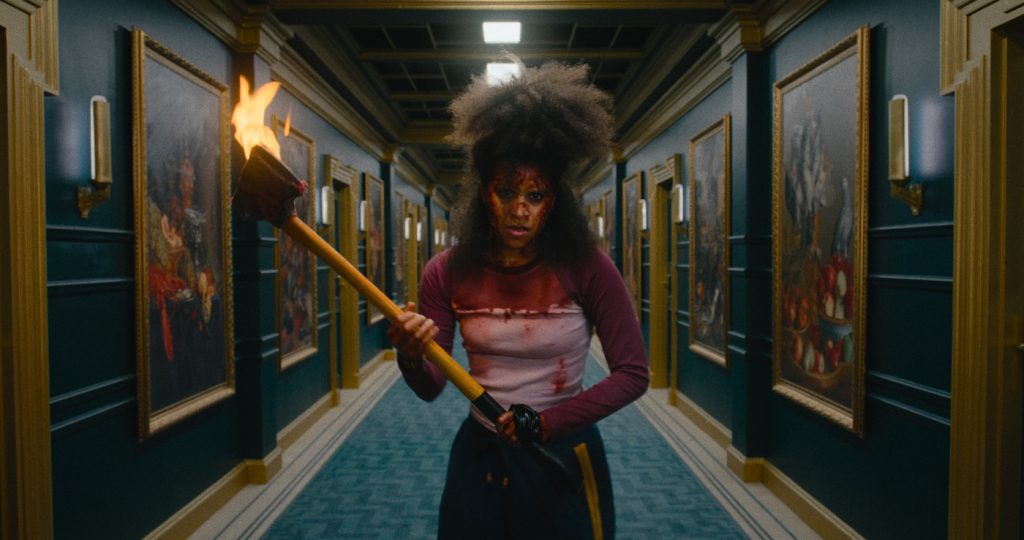
When we wrote the script, it was called Nine Floors of Hell, which sounds like a terrible B-movie, but the idea was that each floor of this building refers to Dante’s Inferno and to a specific circle of hell. Thematically, each floor has its own unique texture, symbols, patterns, and colors. The first floor is Limbo, for newcomers, and where the maids live. And then we move on, and you understand it’s gluttony and lust, until we get to the ninth floor, which is basically a frozen lake where Satan waits. It was interesting to come up with this very clear system of symbols that helps us to find the visual language and structure of the building. We thought about it on the script level, and then Jeremy Reed, our production designer, integrated those elements into the sets, and I think it worked out pretty well.
Did you always envision Zazie Beetz as Asia?
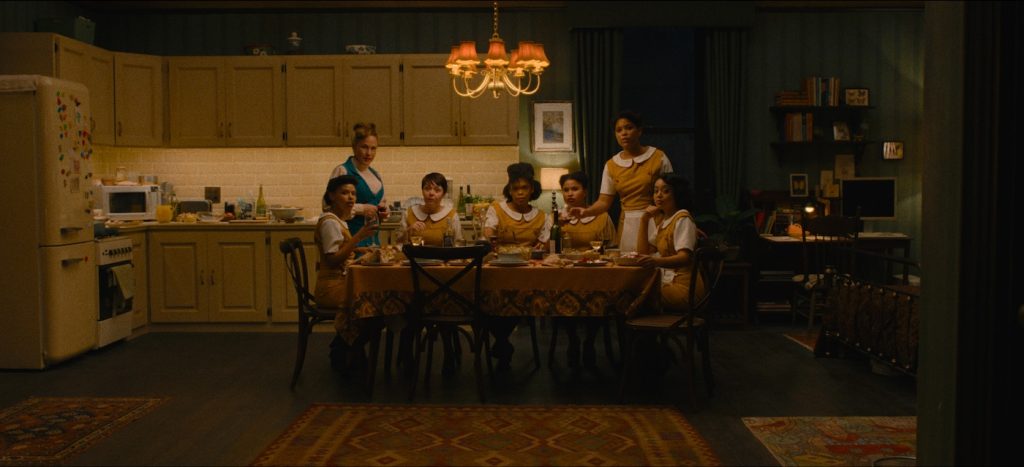
I hoped for her because I’m a huge fan, and I’m a huge fan of Atlanta. People look at this genre like it’s easy to make, but you face so many challenges when making this type of movie because your actors must switch from dramatic to funny moments, sometimes within a single scene. And to keep both genres together, it’s a very rare skill, and Zazie does it perfectly. I was so happy that she agreed to this project. But outside of this, she also has the incredible physicality we were looking for to go through all that crazy action. I love old school action movies, Hong Kong and Japanese, when you use a lot of wide shots, when you see how actors do their stunts. Zazie trained, and she prepared so well. Now looking back, I can’t imagine anyone else.
How did Asia’s character influence the action?
How your character talks is the way your character fights, and through the way the character fights, you can understand a lot about them. And so we build it like, okay, she doesn’t know technique. She’s not a kung fu fighter, she’s like a street kid. She knows how to throw a punch. She knows how to be beaten, so she’s not afraid of it. And she’s against people who didn’t fight at all. There are a lot of them, they’re full of rage, but they’re clumsy, and they’re afraid of it, and they don’t know how to fight. And from that, you build up a lot of comedic moments and something new, fresh, and exciting.
How much of a role did you want camp to play in the film?
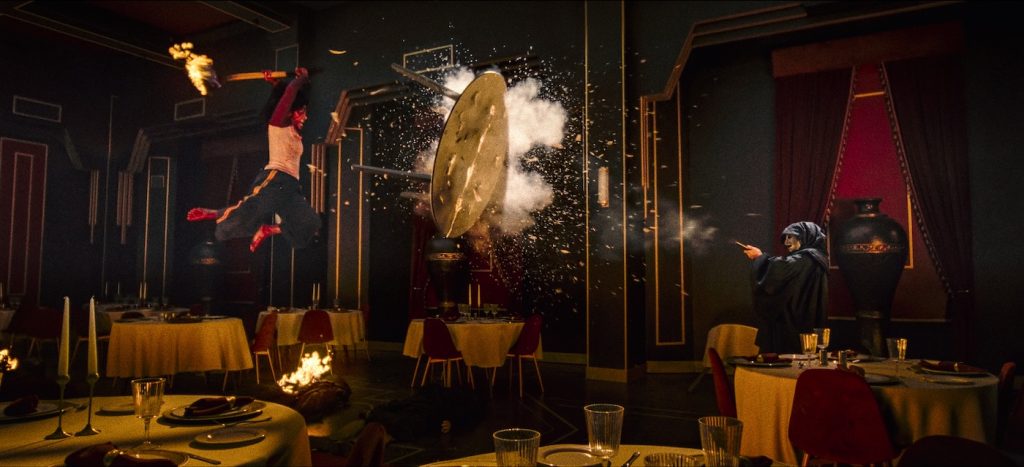
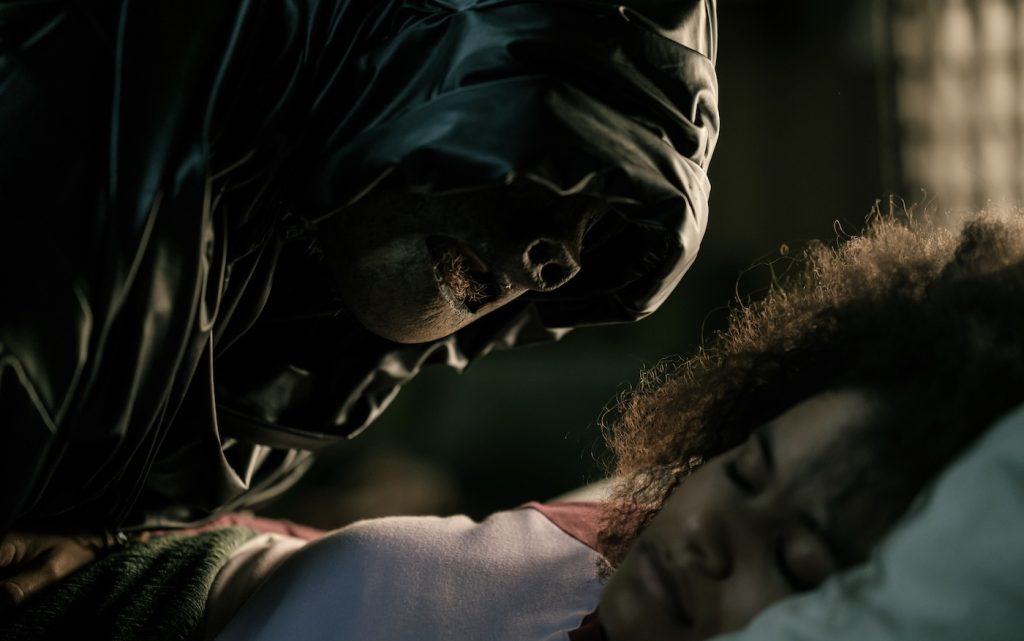
I’m a huge fan of anime. I appreciate anime for the freedom it gives you as an artist and storyteller. You can go in very wild directions, and somehow it will work. This is the craziest movie I’ve done, and I was wondering how much freedom we could have telling this story, because it’s a classic. It was interesting how far we could push, so it still works. I hope it still works. We almost step into fairytale territory when we have rolling eyeballs, when we have a satanic, possessed pig head. But if you look at it like [Hans Christian] Andersen or the Grimm Brothers, it’s absolutely okay.
Did the humor or camp factor affect how you portrayed the action?
A big thing about this movie, which I hope fans will appreciate, is its practical aspect. We spent a lot of time on prosthetics, dummies, and puppets, and I think that’s part of the campiness, but a nice one. Because it was made on purpose, and to have this old-school flavor of the Eighties and Nineties movies I grew up on, which I love and appreciate. Sam Raimi was a big inspiration for me throughout my life, and his approach —funny horror elements and sometimes silly, clumsy dummies —was charming in a way; we tried to lean on that a lot.
How was working with Patricia Arquette?
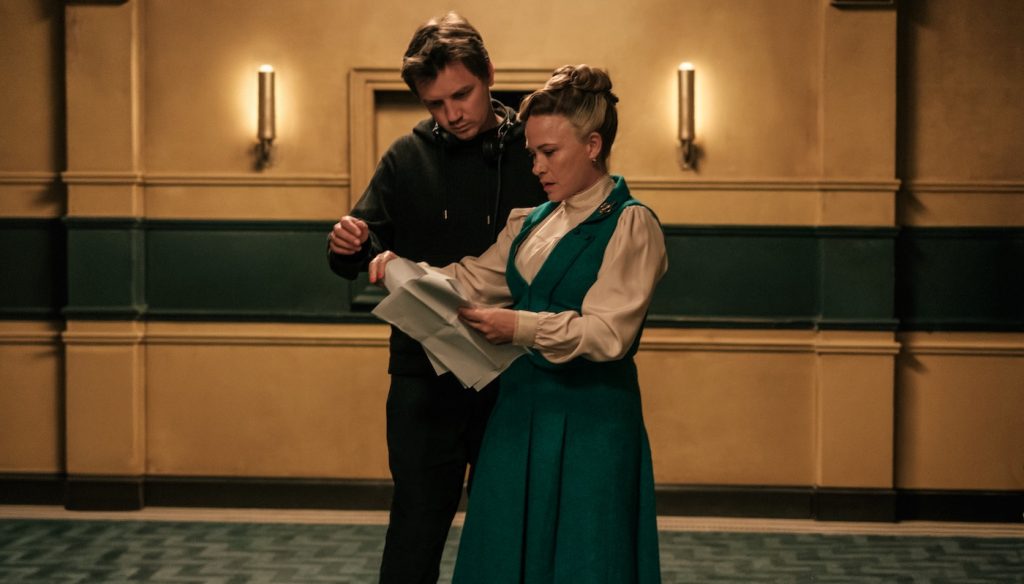
It was just a joy. I was very lucky with all of my cast. They put a lot of love, trust, and effort into this movie. It’s funny, with Patricia, I grew up watching her in the movies—I love movies partly because of her work. So for me, the most challenging [thing] was accepting the idea that we actually work together and that I have to somehow direct her. She’s wonderful. She did everything with such courage. Three, five takes, she does perfectly. I have it, and then [she says] “Let me do two more takes, just something fun.” And she does really crazy things, super unexpected. I understand where it comes from, but it’s so weird. When we started cutting the movie slowly, I used those takes once, twice, and now it’s, like, seventy percent of her shots in the movie are from those last two takes, which I thought I would never be able to use. That’s a master at work, because she felt the nature of the movement and texture, and she gave me much more than I could even think about.
They Will Kill You is in theaters now.
Featured image: Caption: ZAZIE BEETZ as Asia in New Line Cinema/Nocturna’s “They Will Kill You,” a Warner Bros. Pictures release. Photo Credit: Graham Bartholomew