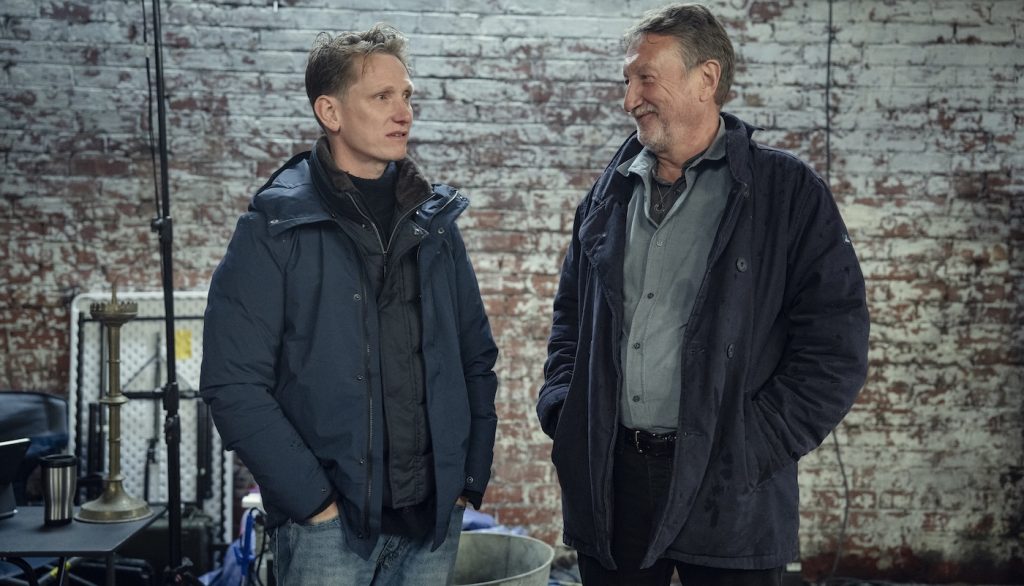
Creator Steven Knight and Director Tom Harper on Saying Goodbye to Tommy Shelby in “Peaky Blinders: The Immortal Man”
And so we come to the end. For Peaky Blinders fans, there was hope when word came that creator Steven Knight wasn’t quite done with Tommy Shelby (played by the ever-excellent Cillian Murphy), and further excitement was warranted when the title emerged for Tommy’s big screen debut—Peaky Blinders: The Immortal Man. Over six glorious seasons, Knight’s Peaky Blinders put Tommy through his paces as the leader of the titular Peaky Blinders, a family-centered brood of gangsters in 1900s Birmingham, England. He outwitted formidable foes year after year, losing members of his own family, and Tommy might argue his own soul, in the process. In the final season, Tommy seemed to have finally met an antagonist he couldn’t outwit—tuberculoma, a condition he believed he’d contracted from his daughter, Ruby (who eventually died). Tommy set out to make peace with his family, even while he was battling his cousin, Michael (Finn Cole), who was hellbent on killing Tommy over the death of his mother, Polly (Helen McCrory). Alas, Tommy lived, immortal as ever, but with losses so heavy he seemed disappointed.
Which brings us to Peaky Blinders: The Immortal Man (now streaming on Netflix), as Knight and director Tom Harper, longtime Peaky Blinders collaborator, bring Tommy Shelby’s haunted journey to a powerful and deeply emotional close. Knight and Harper excavate Tommy’s past (quite literally by the film’s climax) by forcing him to relive the moments that defined and tortured him, including his harrowing experience serving as a tunneler in World War I, the death of his beloved daughter Ruby, and the ghosts that haunt him while in exile, far from the bustle of World War II-era Birmingham, where the Birmingham Small Arms Company is staffed 24 hours a day by an all-female staff who build munitions for the war effort. It’s at the BSA factory where The Immortal Man begins with a horrific bang, which Knight later revealed to me was where his own mother was employed.
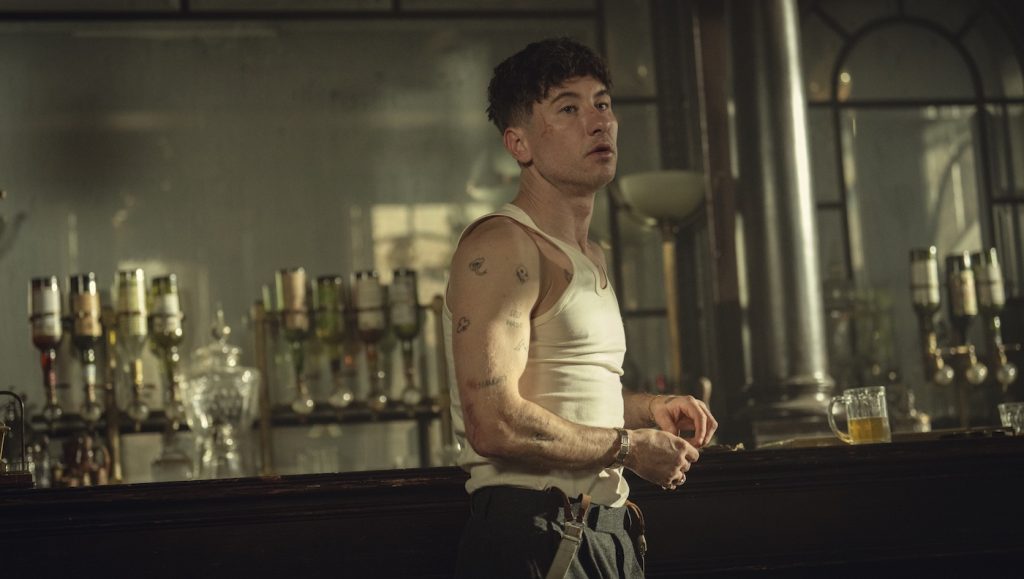
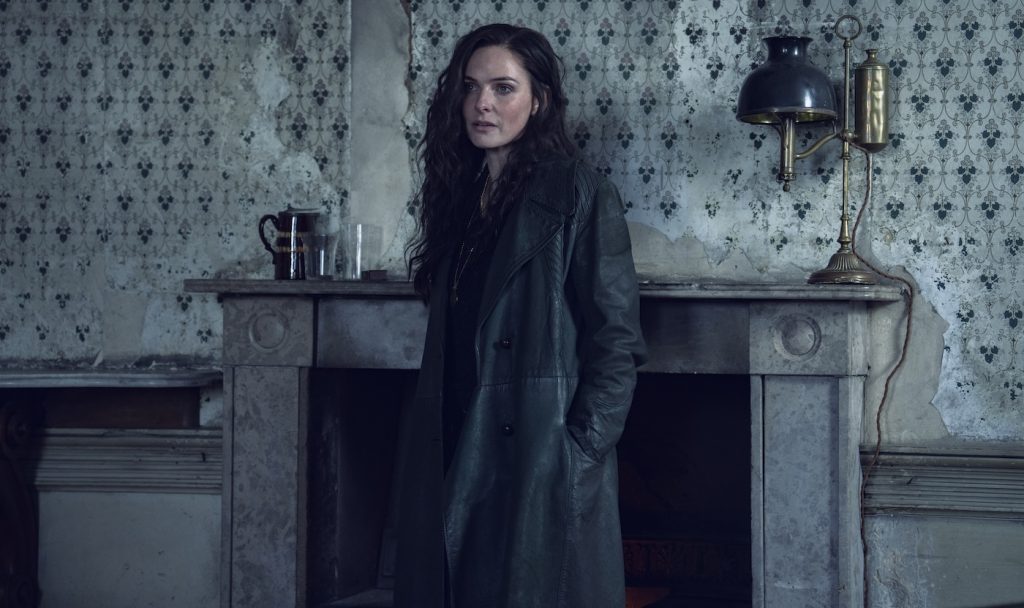
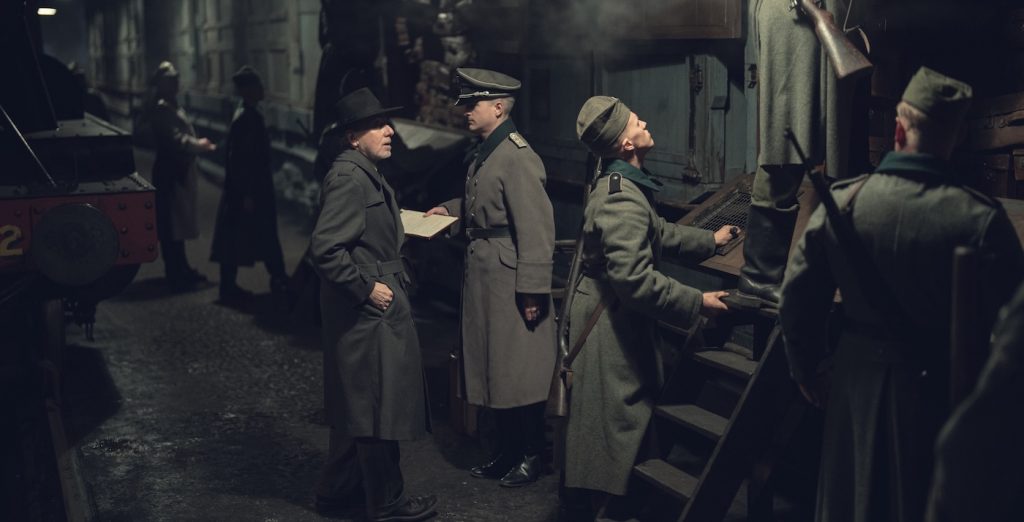
Murphy is joined by longtime Peaky stalwarts and newcomers alike, including Barry Keoghan as his son, Duke, Rebecca Ferguson as Kaulo, the twin sister of a former paramour, and Tim Roth as John Beckett, a British Nazi sympathizer and co-conspirator who plans to use Duke to help the Nazis flood England with counterfeit currency to cause financial ruin and collapse.
In this conversation, Knight and Harper unpack the real historical inspirations behind the story, the Western mythmaking at the heart of Peaky Blinders, and what it meant to finally say goodbye to one of television’s most indelible characters.
Spoilers below.
The Immortal Man manages a pretty difficult task; it feels very Peaky Blinders, very much in line with what you’ve built over the years, Steven, but it also goes in some surprising directions. So I wanted to start with the story’s origin. What was the first way in for you? Was it learning about the World War II scheme to flood Britain with fake currency, or was it more about Tommy trying to cut himself off from his family and society?
Knight: It began with the simplest premise: World War II in Birmingham. I wanted the bombs dropping, the jeopardy, and that sense of not knowing whether you’re going to live until tomorrow. In reality, there was a lot of hedonism during the war—people lived differently. The whole population became a little bit more Peaky during that period. I’d read about Operation Bernhard—the plan to flood Britain with counterfeit currency—some time ago, and did more research into it. It felt like such a gift: huge amounts of cash coming into a country that’s being bombed. Who’s going to take advantage of that? Of course, the Peakys. The other trigger was the bombing of the BSA factory at the beginning, which was a real event. Once you light that match, once the fire starts, that’s when the story can really take off.
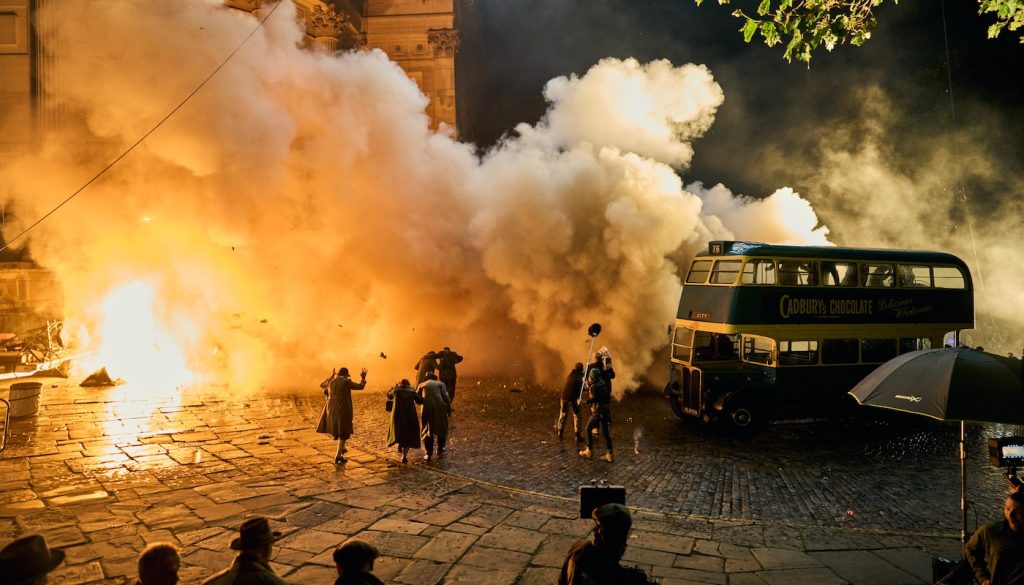
That opening is striking—people cheerfully heading into the night shift at the BSA to make small arms while bombs are falling. It sets the emotional core immediately. And there’s this feeling that Tommy is a patriot, even though he’s also… well, Tommy.
Knight: My mum worked at the BSA factory during the war. She would have been there the night it was bombed if my oldest brother hadn’t had a sore throat, which kept her home. So the story of that bombing was a family story for me.
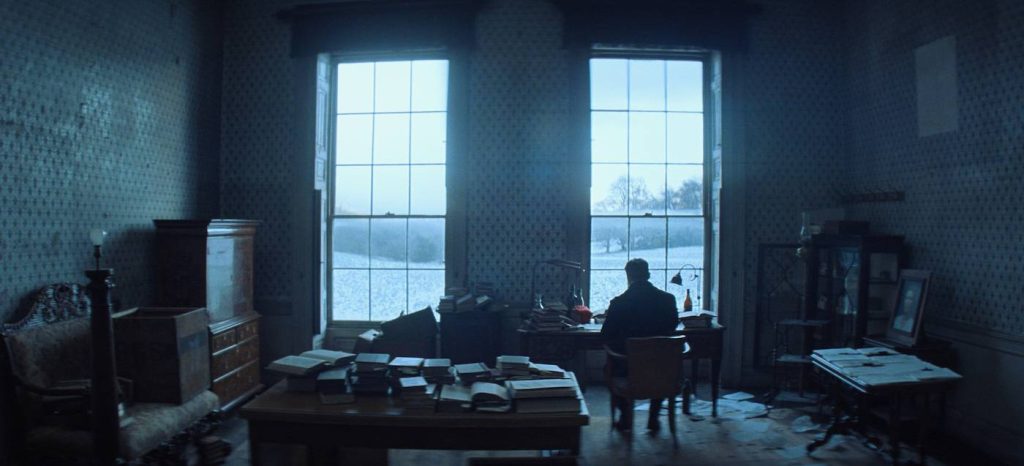
That’s an incredible emotional tether to the story. Tom, visually, the film is stunning. Tommy’s isolated home—this ruined, forlorn place—really jumped out at me. Was that a set or a real location? It feels like he’s living in the mists, cut off from the world.
Harper: Thank you. That was all location. We built the garrison, but everything else was real. One of the advantages of having a bit more budget for the film was that we could travel and find these extraordinary places. Tommy’s house is a 10th-century abbey with a later house built into it, all very rundown and derelict. It’s in the Lake District in Cumbria, right out on the moors. Being there—the cold, the mist, the weather—changes everything. It affects Cillian’s performance, the crew, and creates an atmosphere you can’t fully recreate. At the start of the film, the camera is very still, very measured, reflecting where Tommy is emotionally. As Duke enters the story, chaos and energy arrive, and the film’s language shifts. Those two worlds slowly collide.
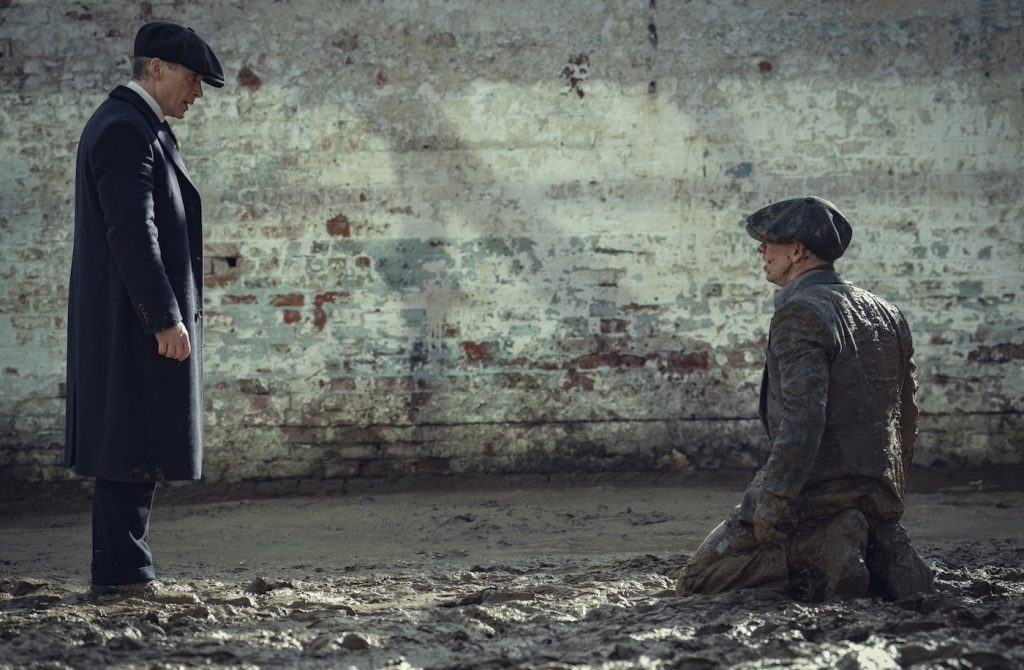
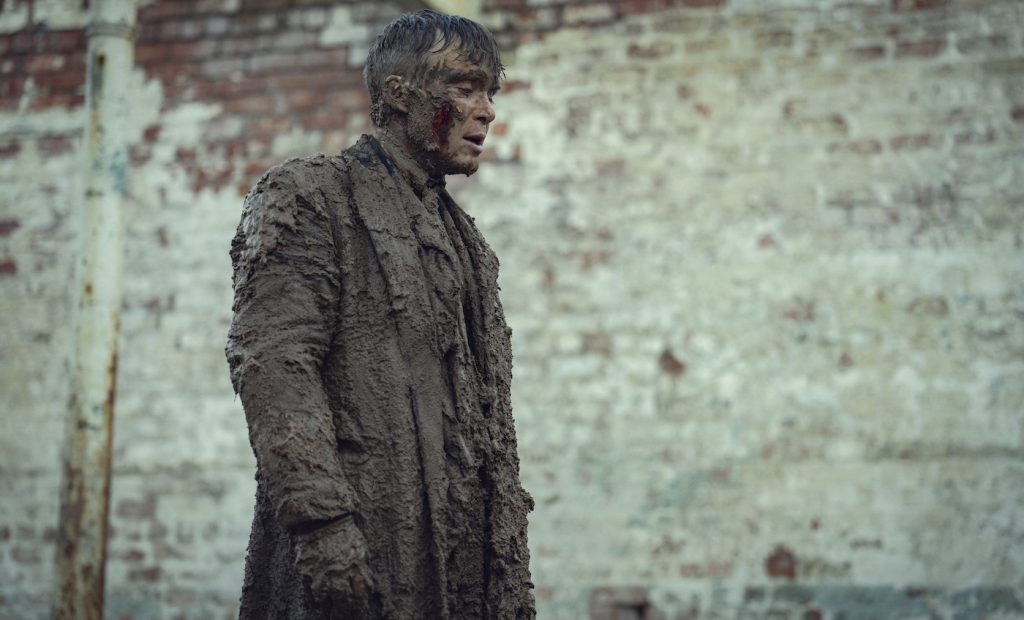
There’s also that image of Tommy at Arthur’s grave, wearing the black cloak—he looks like the Grim Reaper. It really feels like he believes he’s already dead. And then that’s contrasted so brilliantly with the mud fight between father and son. Steven, was that something you always wanted to do, or did it evolve as you were writing?
Knight: I should say it wasn’t beloved by Cillian and Barry.
Harper: They enjoyed it for the first two minutes—out of an entire day of shooting.
Knight: I don’t plan things too far in advance when I write. I knew there would be pigs in the yard because Duke is dealing in meat during rationing. Once I had the pigs there, when Tommy comes back to confront Duke, it immediately felt right that the fight should happen there. There’s symbolism in it too. During World War I, Tommy—like all soldiers—lived in mud. The mud of Flanders was horrific. And here he is again, back in the mud, dragging his son into it with him.
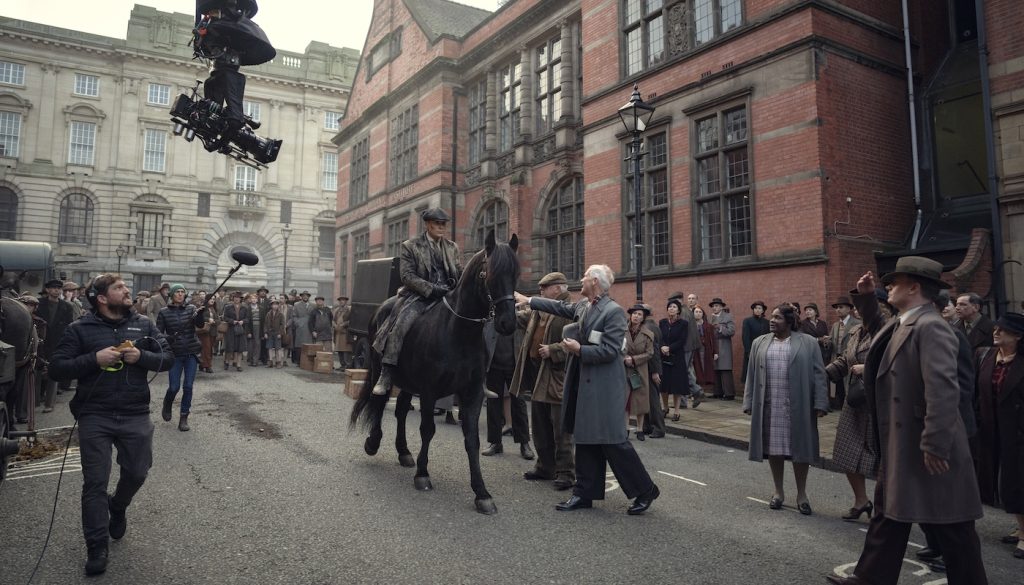
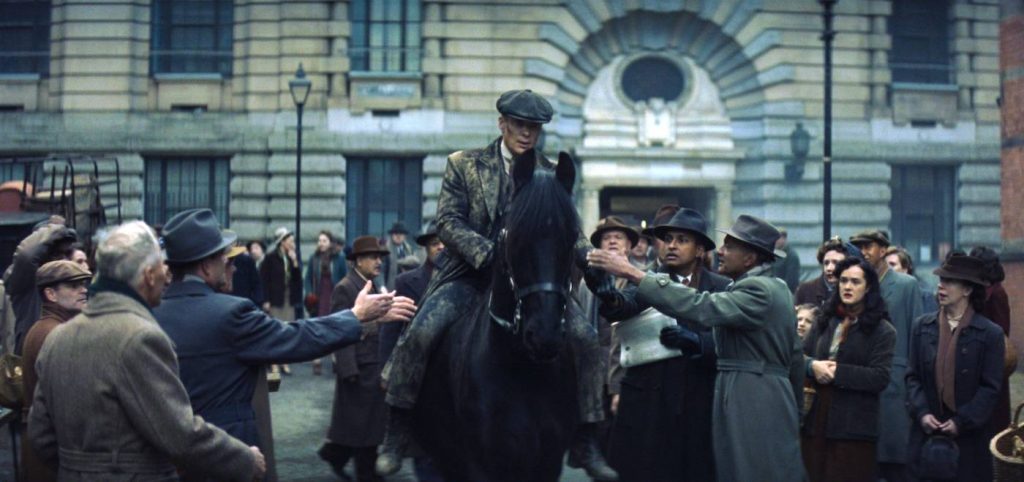
And then Tom gives us that incredible image of Tommy on horseback, riding back into Birmingham like he’s crawled out of the grave. It almost feels like a Western.
Harper: That’s what Steven has created throughout Peaky. It’s mythic. It’s reality, but it’s heightened—almost like seeing the world through a child’s eye, where everything feels bigger and more heroic. There’s a shot of a child looking up at Tommy on the horse, and that always stayed with me. We’ve talked a lot about the influence of Westerns.
Knight: That’s exactly right. We don’t tend to mythologize our working-class history in Britain the way Americans mythologize the Old West. Cowboys became an entire genre. I wanted to do the same thing here—the stranger riding into town. People get it immediately.
One of the things that really moved me was how the film brings everything back to Tommy’s experience in World War I, especially in the final act. Without spoiling anything, he ends up relying on skills he learned in the war to confront his enemy. From both of your perspectives—writing and directing—how challenging was that sequence to pull off?
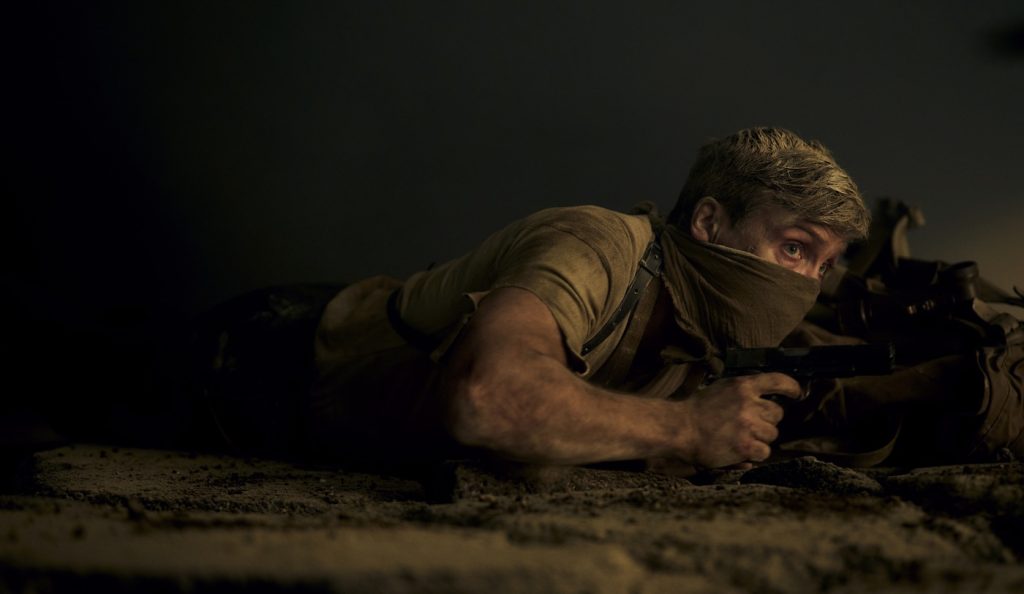
Harper: Steven wrote this action sequence on canal boats that move at three miles an hour. I thought, “You’ve got to be kidding me.” But he also did me a favor by writing three storylines that run simultaneously, which lets you create momentum in the edit. The tunnel sequence was physically brutal for Cillian. He’s incredible—he does all that himself. We shot it very close, very contained. Dust everywhere, getting into his eyes and nose. I even wanted to shoot parts upside down so the dust would fall onto him. It was miserable—but you feel it on screen. That discomfort is important.
Knight: The idea was that in the final act, Tommy is saving his son, his country, and the world—and it’s all the same act. Because he was a tunneler in World War I, there’s always been this theme of resurrection. In season two, he’s pushed into a grave and climbs out. Here, he’s coming up from underneath again. I just wanted to put Cillian through a lot of dust.
The ensemble is phenomenal, as always. Cillian is the center, but everyone—from Stephen Graham to Barry Keoghan to Rebecca Ferguson—commands attention. How do you balance that as a writer and director?
Knight: Each series has always been Tommy versus a formidable antagonist. With the film, I wanted him bouncing off lots of people—different voices, different pressures. Fortunately for us, with Peaky, almost everyone says yes. Our first choices all said yes.
Harper: You just have to tell the story as well as you can. Everyone was so enthusiastic about making the film, even though they’re all stars in their own right. They wanted to serve the whole. They’re very generous actors—they support each other, and that generosity shows on screen.
Tim Roth is such a fascinating final antagonist. He’s quiet, measured, almost disarming. Was that always the plan?
Knight: A lot of that was Tim. The character was written as an officer, very upper-class, but Tim wanted to play him as someone closer to Tommy—ordinary, almost beguiling. He represents an ideology that people can be drawn to because it feels so matter-of-fact. That’s his genius.
Last question—and on a personal note—what is it like to say goodbye to Tommy Shelby?
Knight: Watching it was very emotional, especially with an audience seeing it for the first time. You feel their reactions. Tommy’s been in my head since long before the series existed. I first tried to get this made in the late ’80s, and no one wanted it. Fortunately, because there was no technology then, and no Tom Harper.
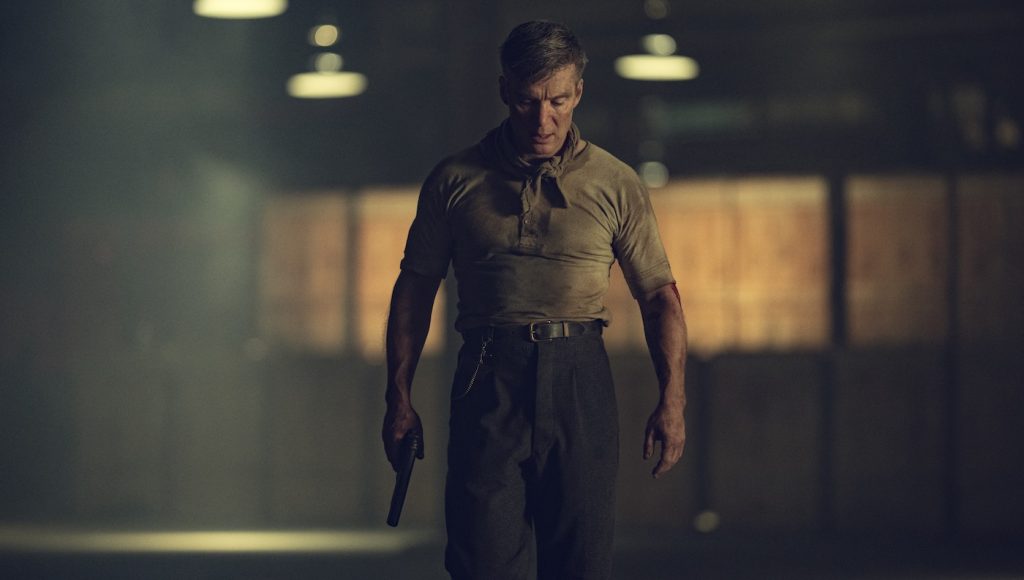
Featured image: Peaky Blinders: The Immortal Man. Cillian Murphy as Tommy (Center) in Peaky Blinders: The Immortal Man. Cr. Robert Viglasky/Netflix © 2026.