Leveling Up “Street Fighter”: How Stunt Coordinator John Valera Turned Video Game Icons Into Real Fighters
Stunt coordinator John Valera faced a tall order with Street Fighter. The original Capcom game debuted in 1987. Since then, six major video games, several animated and short films, and the iconic 1994 film adaptation with Jean-Claude Van Damme have followed. Valera had expectations and pop culture history to live up to—especially with fan-favorite characters Ryu (Andrew Koji), Chun-Li (Callina Liang), Ken Masters (Noah Centineo), Balrog (50 Cent), and Blanka (Jason Momoa).
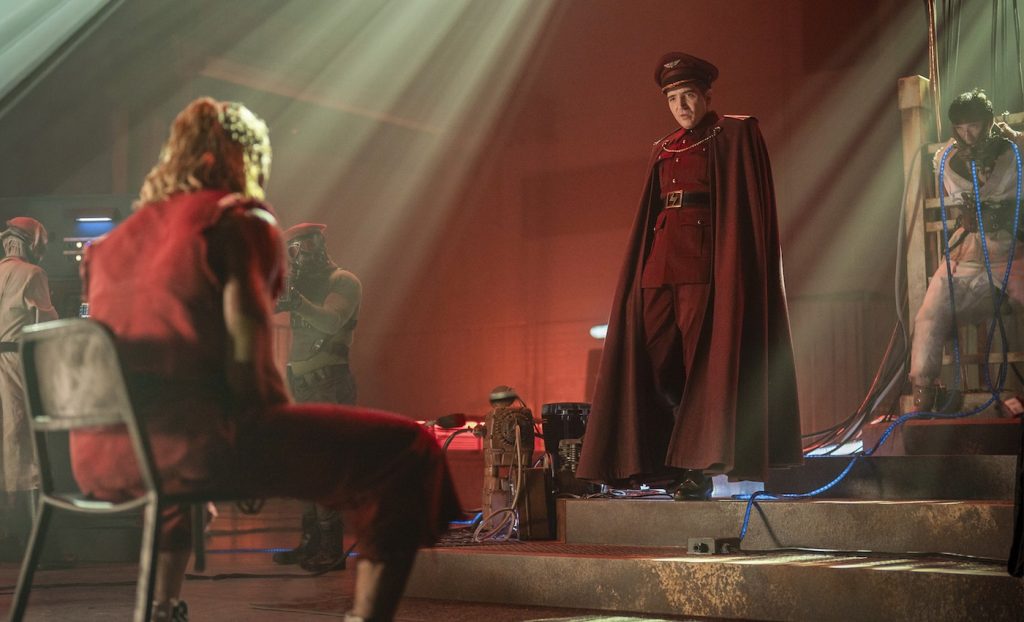
In director Kitao Sakurai’s ’90s mad action movie, these characters fight under the iron fist of M. Bison (David Dastmalchian), a rogue tyrant who wants to pit the best fighters in the world against one another in order to steal their strength. Estranged brothers Ryu and Ken Masters must reunite to defeat Bison or lose everything, including their own mighty gifts.
Valera, a seasoned stunt coordinator, second-unit director, and former martial arts champion who had an extraordinary competitive career, spoke with The Credits about working with a very game cast, letting each performer bring their personal style to their characters, and capturing some of the most iconic Street Fighter moves on camera.
Street Fighter has a lot of nostalgia packed into its frames. Any moves, whether from the games or your own experiences from competitions in the ‘90s, that you wanted in the movie from the beginning?
Ryu’s Hurricane Kick. During my [martial arts] competition days, we did something similar. We called it a 720 kick, and we did two rotations with the spinning crescent kick. Obviously, the iconic Hurricane Kick is multiple spins, multiple rotations.
Andrew Koji is a martial artist; his skills are on full display in HBO Max’s Warrior. What don’t you have to explain to him when crafting a fight?
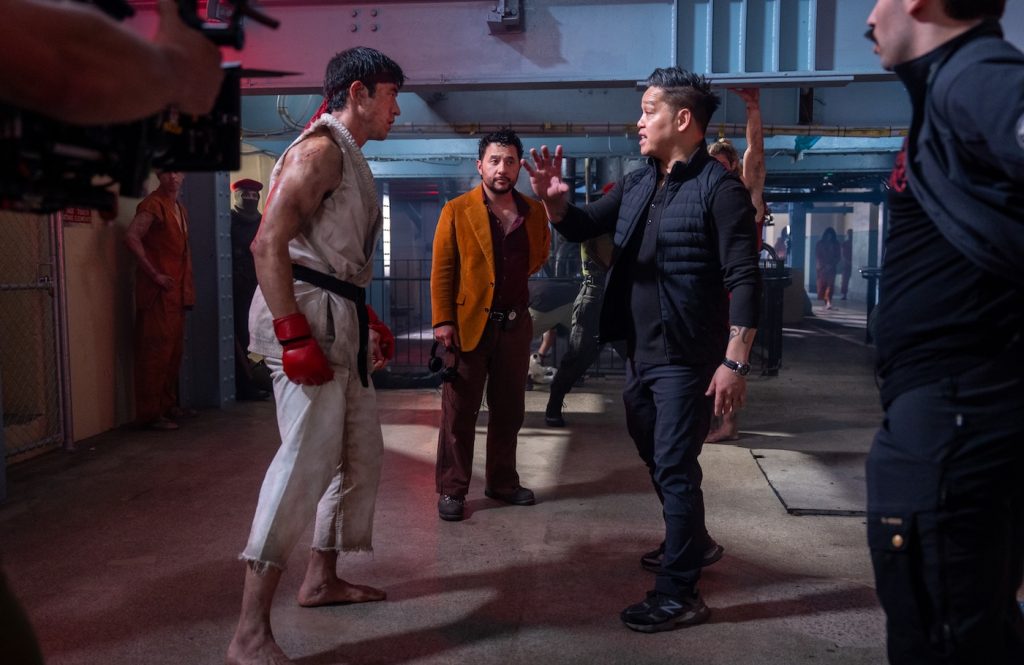
We vibed right away and wanted to show the beauty of Japanese martial arts, not just the flash and the flair from the video game. That’s what a lot of people sometimes don’t see: the beauty of the strong, traditional side of Japanese martial arts. I have a Shotokan background as well, and he trained in Shotokan and Goju-ryu. When he came to Sydney and started training with us, we continued that training. That was his warm-up: the strong, traditional basics of Goju-ryu and Shotokan. We wanted to make sure he kept that style, the traditional base of Japanese martial arts, in his fighting style.
What do you find beautiful about traditional Japanese martial arts?
The beauty is what I like to call a quiet power. The movements of their martial arts are so crisp, so powerful, yet so subtle. They pay close attention to detail in their movements. You can see that in a lot of Japanese movies as well, even in their costumes, their kimonos, and their mannerisms. In martial arts, we pay close attention to those small details.
What small details mattered to you in the alleyway fight between Ryu and Ken Masters?
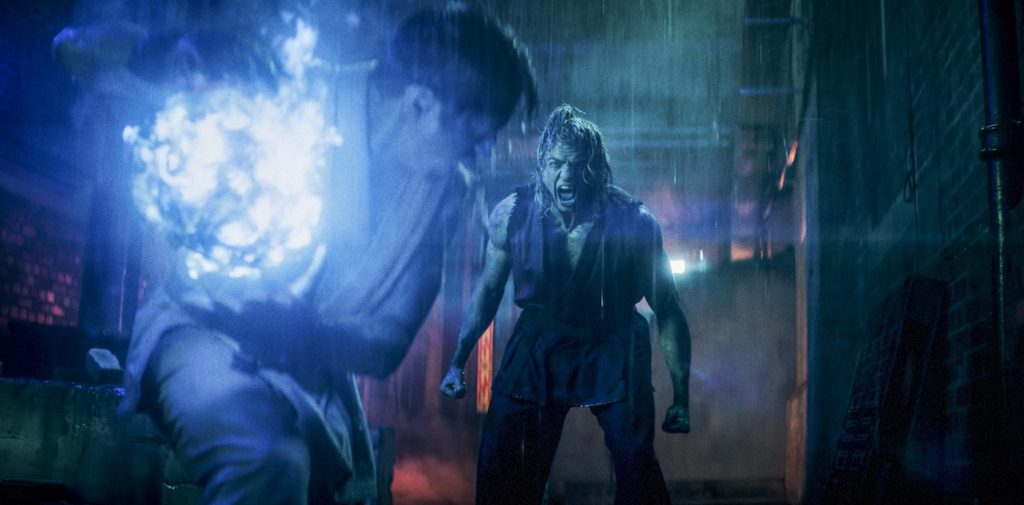
They trained under the same master, but it doesn’t matter whose martial arts are better. It matters how you apply them. They have the same style, but who applies it better? Kitao and I knew there would be a lot of flash and flair in the fights, showcasing everybody’s moves, but this was the story-driven fight of the movie. With the styles and mannerisms, we wanted to keep it very grounded, with a little sprinkling of their iconic moves.
When the fighters first come together for the pre-tournament party, you have a lot of story to tell with Balrog, Guile (Cody Rhodes), Dhalsim (Vidyut Jammwal), and other fighters. Where did your prep begin with that sequence?
We started prep on Street Fighter back in February 2025 in LA. It was the first stunt viz that I designed here in LA. It was a pretty long process because we didn’t know how we wanted to approach it. Do we approach it with your baddies? You have Vega, Balrog, and Zangief. Originally, we had Sagat in there, but then they were going to be fighting against the good guys. You had Ken, Ryu, Guile, and even [originally] E. Honda was actually going to be in that fight.
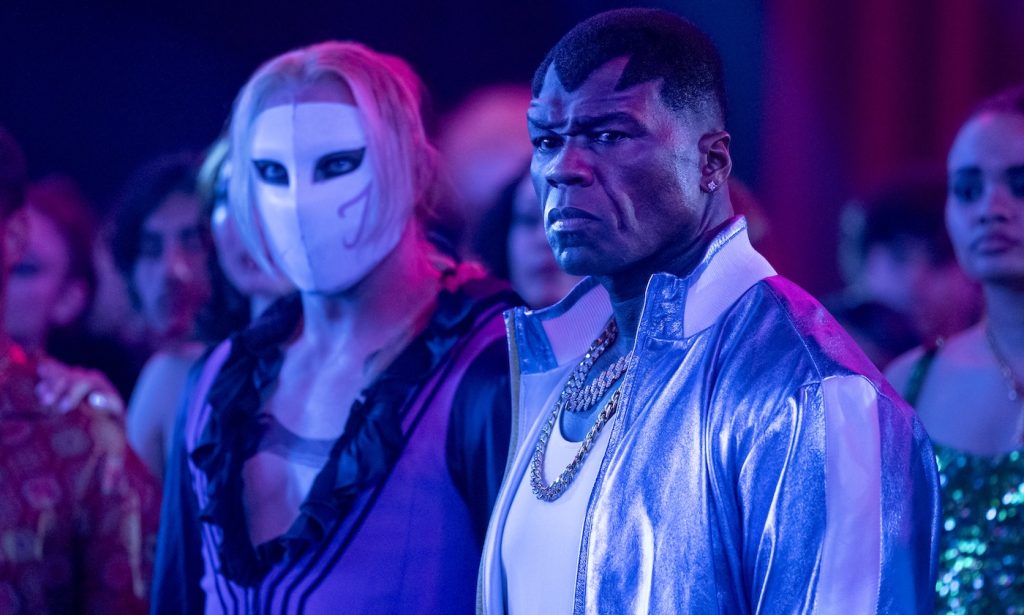
How’d you distill down that sequence?
It all started with Ken being angry that Ryu finally showed up. It almost started out as good guys versus bad guys in a bar fight. The tension builds, then something happens and sets it off. It’s almost like everybody’s in a standoff, then somebody drops something or bumps into someone, and that kicks off the fight. That was the one where we had our chance to show off everybody’s moves, including some of their most iconic moves.
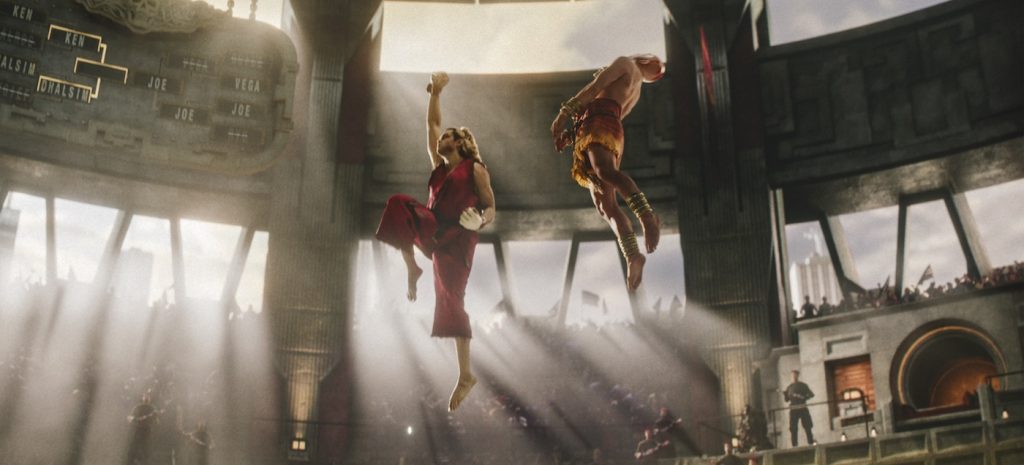
Did it feel old-school in a lot of ways, using this much wire work again on a movie?
It did. Everybody on my team was a Street Fighter fan, so we basically had the blueprint. Every night, my stunt team went home and played Street Fighter video games in their apartment. So it’s like, “How about we try this? Think of this combo we’d come up with,” even the smaller combos. I told my team, “Whatever combos you guys come up with in the game that you’re playing, we can use those.”
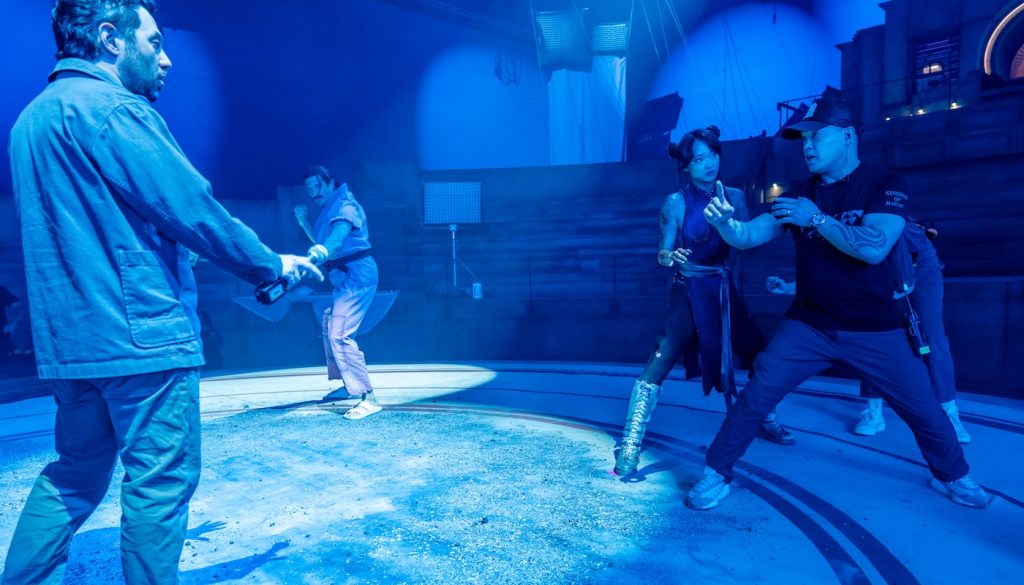
Any deep-cut combos or moves from the games you wanted?
When Balrog fights Ken, it’s almost like dirty boxing. He steps on his foot, headbutts him, and that’s in the game. A lot of his slips, his body hooks, of course, the groin punch that launches Ken—that’s what he’s known for. It was hard because there are so many characters, and we have only so much time to shoot. Trying to fit in all their moves, we had to pick and choose which ones we wanted to showcase. With all the stunt viz I did, I probably have more than enough footage that lasts longer than the movie, just from the fights.
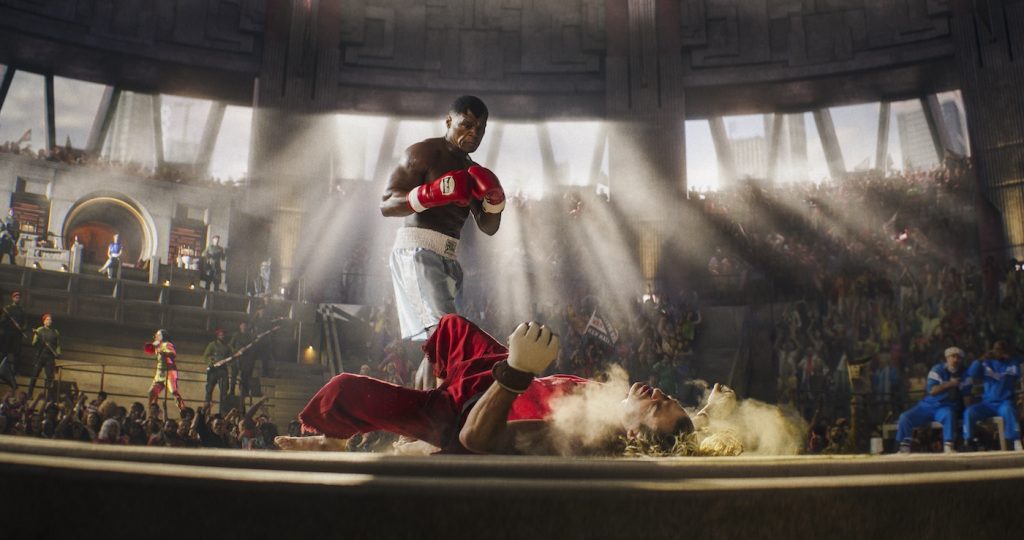
When you were working on previs for Chun-Li, how did you envision her force and power?
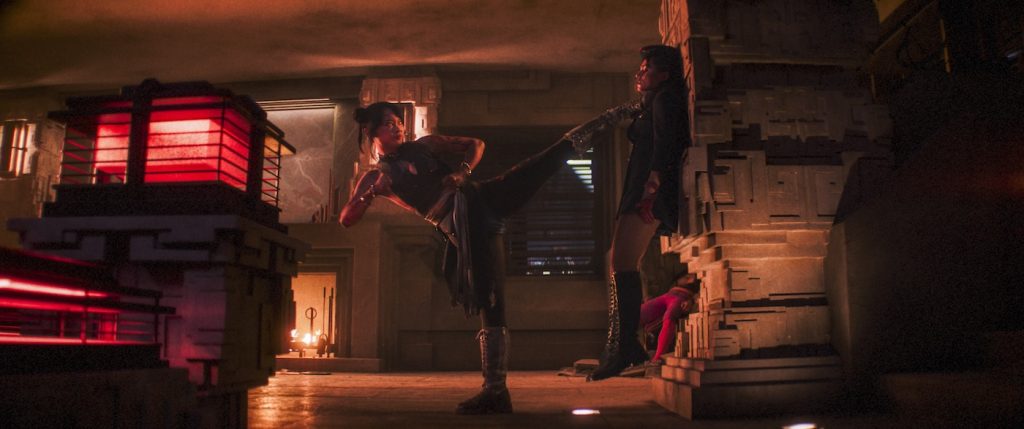
With Chun-Li, of course, we had to do the Spinning Bird Kick. We didn’t want to make it too crazy or flashy because she had such a backstory with Bison, and we didn’t want to overshadow that. She had more fights to build up her fighting style, especially when she took out the Interpol agents. There was no need to use her iconic moves there, so we wanted to make her quick and badass and show nothing but legs at first, because that was her first real fight against Interpol. She took out all these guys with just her legs.
You were saving the power move.
It was good to build up to that when she ended up fighting Juli and Vega. It started out with the kicks, then built up with some of her aerial moves. She takes out Juli with one of her big Hazanshu moves and a big aerial twist, then takes out Vega with her most iconic moves.
As an Orville Peck fan, how’d his song and dance background influence Vega?
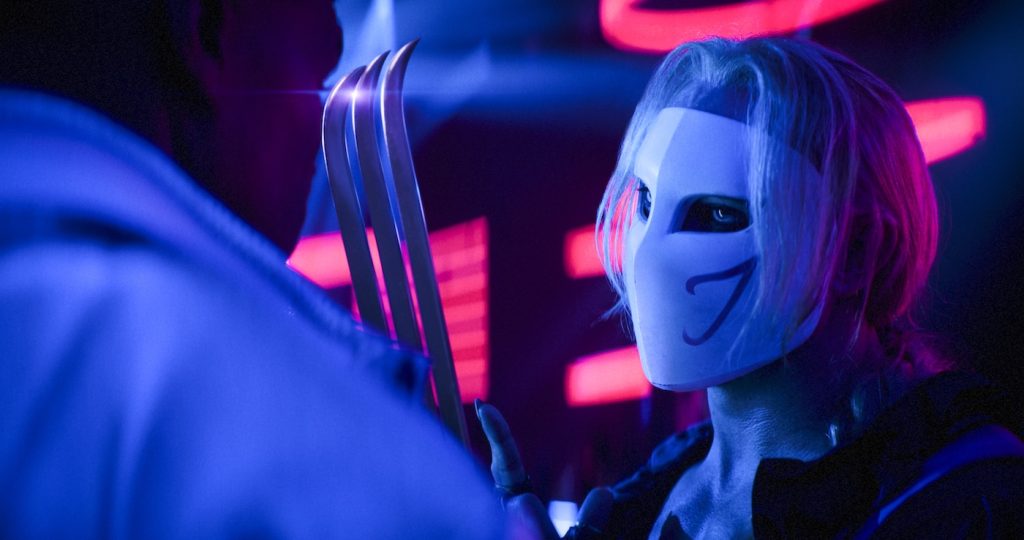
With Orville, he did dance and ballet for quite a number of years. He brought that flair into it, too, and he was perfect for Vega. Vega’s his favorite character, so incorporating some of the moves that he did in the game and then his spin, his flair, he didn’t have the typical fighting sense.
You also got Roman Reigns and Cody Rhodes. What’s unique about developing fights and practicing stunts with professional wrestlers?
When we show them the action, the choreography, it’s like showing them lines in the script. They can just read the lines and determine how they’re going to deliver them; it’s the same with action. For me, I may perform it differently, but they’re the performers, so they’re going to add their own little twist and flavor, which is good. They knew what to bring. A lot of times, their lines were improvised. With the moves, sometimes if it was a five-punch combo, they would do the first two punches and then add their own mannerisms before finishing the next three, which was amazing.
Street Fighter is in theaters now.
Featured image: Callina Liang, left, and Fight Supervisor on the set of PARAMOUNT PICTURES AND LEGENDARY PICTURES In Association with CAPCOM. A LEGENDARY PICTURES Production “STREET FIGHTER”