From “Sinners” to “Stranger Things”: How Universal Studios’ Halloween Horror Nights Turns Screen Nightmares Into Reality
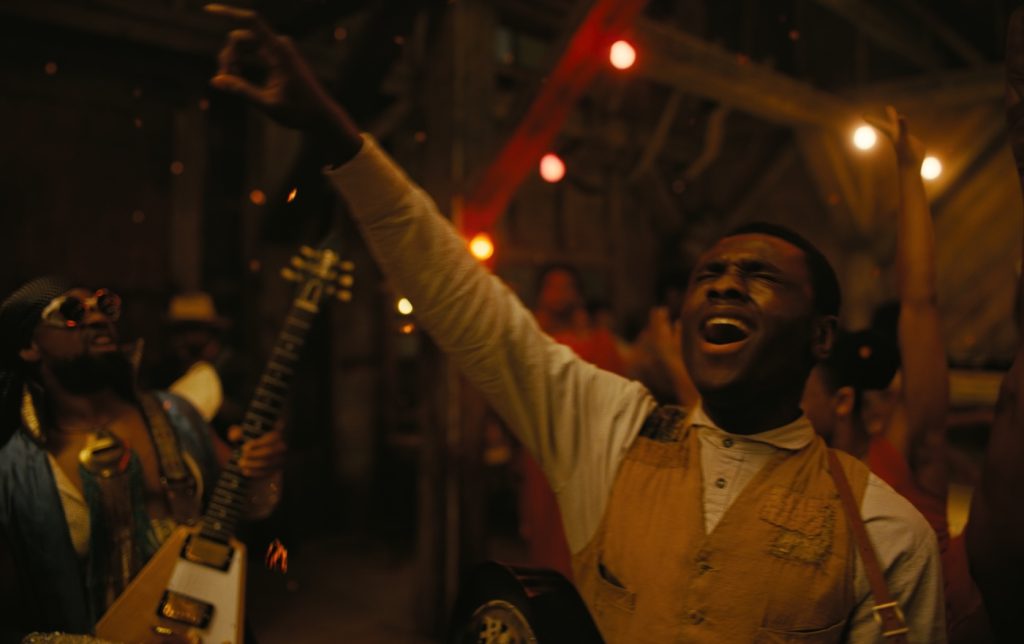
When guests walk into the Sinners-themed maze at Universal Studios’ Halloween Horror Nights, they’re immediately welcomed into the opening night of a brand-new juke joint. It’s a scene pulled directly from the film, brought to life by professional actors, 360-degree sets, animatronics, and live re-enactments from Ryan Coogler’s Oscar-winning epic.
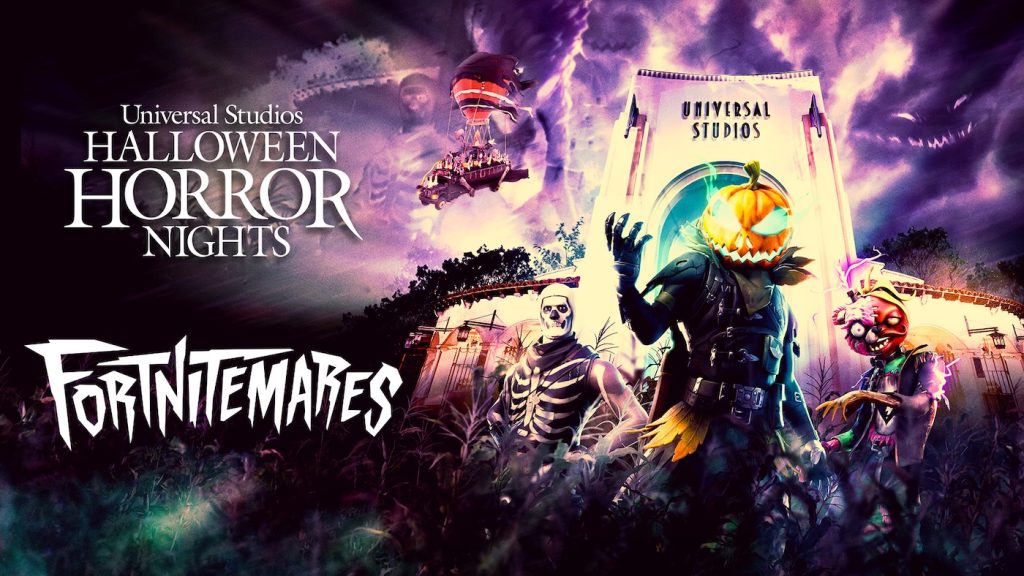
These immersive, horrifying experiences make Universal Studios Hollywood one of the busiest places in Los Angeles (and Orlando). This year, Halloween Horror Nights, a separately ticketed event running on select nights through Nov. 1, has brought the worlds of Sinners, Evil Dead Burn, Stranger Things, Hellraiser, and Killer Klowns From Outer Space to life. The park has also leaned into its own original creations centered on Latin American folklore—now a specialty—alongside four scare zones and live shows.
It’s a multi-million-dollar event that draws crowds well into the thousands each night, with new waves of tourists, locals, and entertainment industry members making the trek to Universal City to get the living daylights scared out of them by up to 700 scare actors working a given season.
“They’ve really figured out how to leverage what would have been downtime in the parks,” says Marc Sardy, associate professor of finance at Rollins College.
Although the event debuted in 1991, 2007 was Universal’s banner year after the park leaned into intellectual property and designed mazes around iconic villains Freddy Krueger, Leatherface, and Jason. It was a game-changing moment for the horror attraction industry.
“That was my intent for how we would differentiate ourselves from everybody else—bring horror movies to life, make them movie-quality, and be the ultimate wish fulfillment for fans of those properties,” says Halloween Horror Nights creative director and executive producer John Murdy, who brings a wealth of experience creating rides like Revenge of the Mummy.
Twenty years later, Murdy and his team have mastered the art of a good jump scare while evolving the event to host celebrity-themed mazes like Ozzy Osbourne: Prince of Darkness (which Murdy describes as a “passion project”) and last year’s The Weeknd: After Hours Nightmare.
“It’s wide open now, and I think that speaks to the genre of horror and where it is at this current day and age,” Murdy says.
Conversations around this year’s slate began in early 2025. For Murdy, it always boils down to using properties with characters that translate well to live performance, having multiple environments to pull from and finding stories that would interest the “dedicated” Halloween Horror Nights fans, which he knows from directly interacting with them online all year long.
“Sometimes filmmakers or studios will reach out to us directly, seeing if we’re interested in a particular film, television show, video game or music artist,” Murdy says. “Sometimes we have a desire to do something and reach out to the studio or the filmmaker. It goes both ways.”
Universal, of course, has to pay a licensing fee to use IP from other studios; Warner Bros. distributed both Sinners and Evil Dead Burn (now consolidated into the mega Skydance), while Netflix produced Stranger Things. But because these titles already have built-in audiences and strong box office receipts and viewership numbers behind them, it’s far easier to let the IP do the talking when Universal markets the event.
Murdy adds, “Any studio is going to make a fortune when they do a licensing deal with Universal because Universal’s revenue is not just coming from you buying a ticket to go; it’s also from all the consumer products and merchandising they’re selling in the park.”
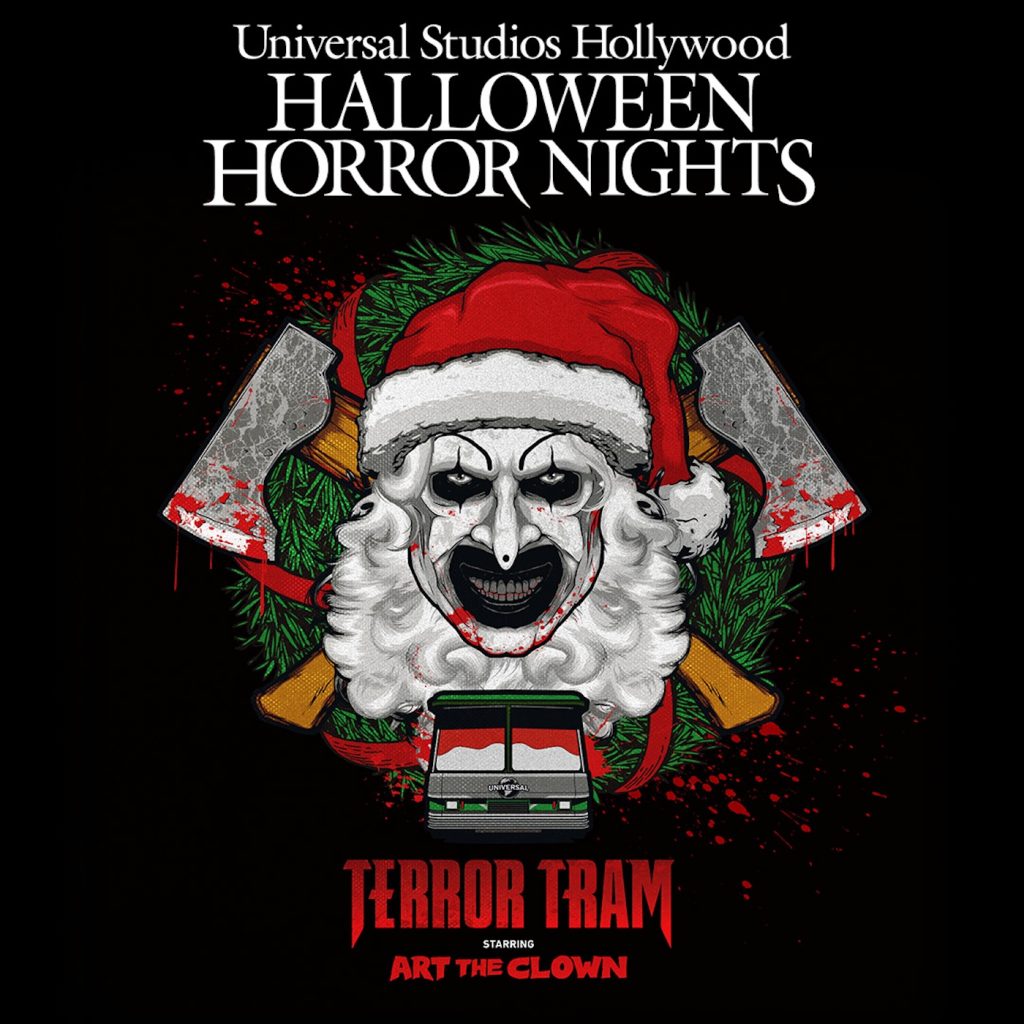
Universal, of course, has its own portfolio of classic monster movies to boast, including The Bride of Frankenstein, Creature From the Black Lagoon, and Dracula, all of which have shown up as mazes in years past. The park also uses its studio tour, which at night becomes The Terror Tram Starring Art the Clown, where guests walk past the Psycho motel and onto the War of the Worlds plane-crash set while being chased by the murderous Terrifier clown.
When the line-up is decided (with one open slot for “opportunities that come our way,” Murdy says), each maze gets a 100-page treatment that outlines the full story, detailing everything guests see, hear, and smell while also breaking down the technical elements from scenic props, lighting, audio, to visuals. Murdy compares constructing the mazes to making eight “modestly-budgeted” movies in terms of ambition and scope.
After Murdy outlines the maze concepts, production designer Chris Williams (who has worked at the park for 26 years) creates a conceptual ground plan using blueprints of the maze facilities. “When I do a layout, I’m looking at flow and access for our performers, as well as any ADA or emergency exit requirements,” Williams says.
From there, Williams hands off the ground plan to art director Brandi Creason to turn it into CAD and 3D programs for each technical discipline, showing what they physically need. Show set designers then take Williams’ drawings and start adding details and dimensions to each room. The team ultimately submits the plans to vendors who help build the actual mazes.
“Everything’s hand-drawn, even in this day and age, because that’s just the best way to communicate to our vendors,” Murdy says.
For external hires, it’s a team of professional production designers who work on their usual studio gigs in between. Halloween Horror Nights also has its own internal audio-video team and assistant editors that work at an off-site production facility, as well as a 21-year relationship with lighting vendor Radiance Lightworks.
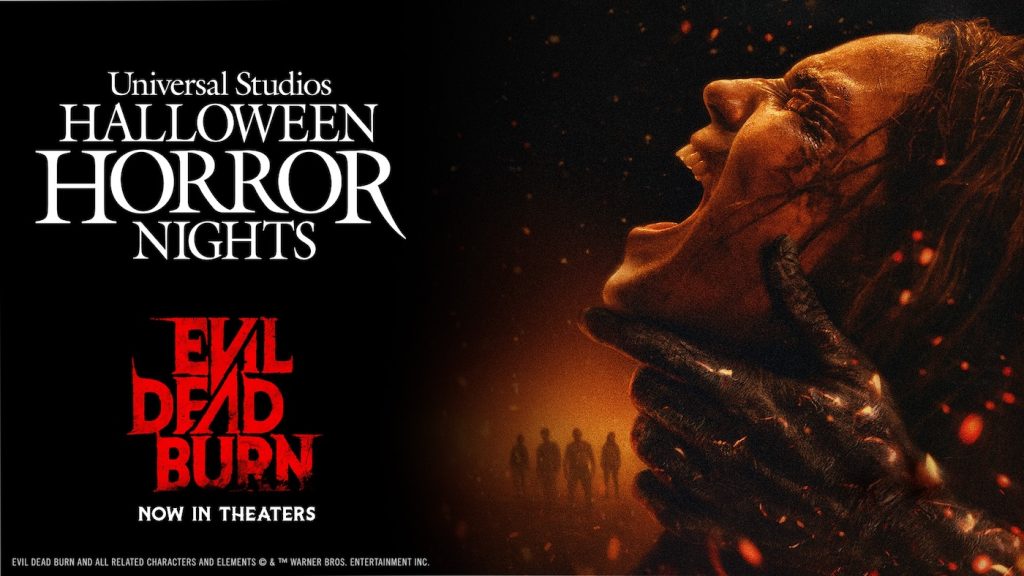
In some cases, Murdy and Williams get their hands on scripts for upcoming horror films before they even go into production, as they did for Evil Dead Burn. That was a no-brainer addition, since Universal created houses from previous entries in the franchise. As guests walk through the maze, they are greeted by everything from decapitated, talking heads to a chainsaw in a bloody victim’s body.
For the Sinners maze, Murdy worked directly with the film’s producers to make sure the production met Coogler’s expectations and honored production designer Hannah Beachler’s Oscar-nominated work. The maze recreates specific moments and visuals from the film, from the final barn shootout to the vampires’ piercing red eyes.
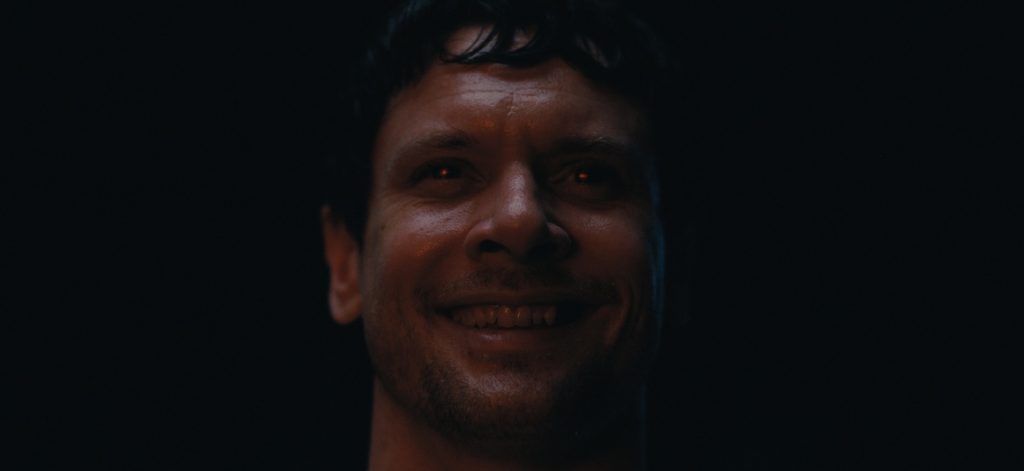
While they couldn’t get their hands on production photos, Williams and his team found some of the same materials the Sinners crew used to build the juke joint set, including the type of metal and beams. Williams even went out of his way to find a company that makes faux wood beams so guests wouldn’t get splinters when they (inevitably) touch parts of the set.
As for Stranger Things, there was so much secrecy around the final season that Universal agreed to do the maze before they ever saw a script or footage. Throughout the maze, guests are transported to the Upside Down and encounter the Mind Flayer, Vecna, and Demogorgons. Williams admits the maze materials are often as simple as pool noodles cut to look like vines hanging in the hallways.
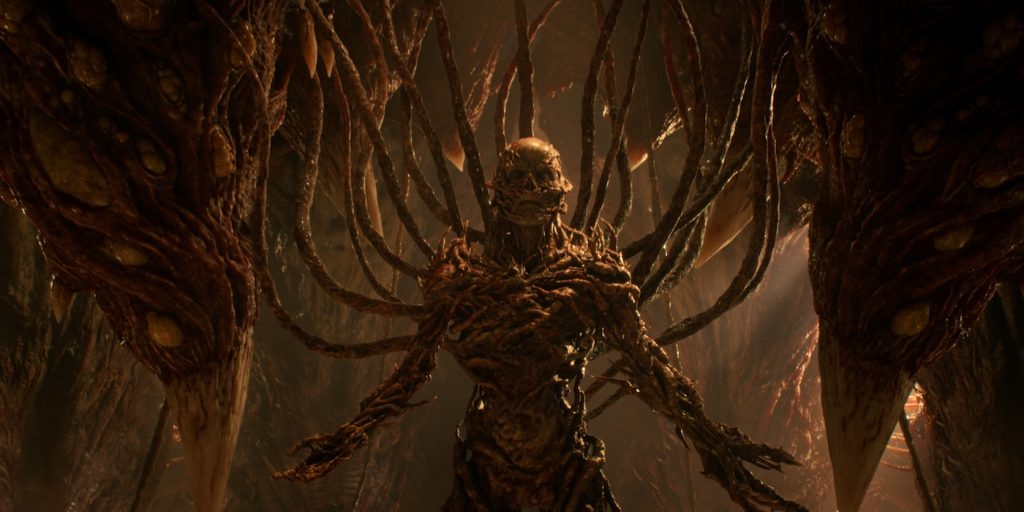
“I’m a little bit of a materials junkie,” Williams says.
Beyond the technical work that goes into building the mazes, Halloween Horror Nights’ location poses another major challenge: How do you build a theme park within a theme park that runs 365 days a year, has no off-season, and also functions as a movie studio?
“Universal Studios Hollywood is not how you would traditionally build a theme park; it started back in 1915 with the movie studio, in the mid-1960s the studio tour came along and the theme park kind of evolved around that,” Murdy says of the park built on a giant hill. “It was never really master planned as you would traditionally master plan a theme park today if you were, say, building it in Florida from scratch.”
Houses are built everywhere, from overflow queues at popular attractions to unused facilities; this year, construction for Sinners started in early spring, while some maze areas weren’t accessible until July (two months before the event opens). This requires frequent conversations with park operators to space out production strategically.
Despite all the pre-planning Universal does each year to build a buzzy lineup, surprises and missed opportunities will always happen, especially in a new era of horror hits from young directors. And no 2026 horror film was a bigger surprise than Curry Barker’s Obsession, distributed by Focus Features (under the NBCUniversal umbrella).
Creating a full maze based on the film was out of the question, so the next best option was to have Nikki (the iconic character played by Inde Navarrette) roam the park and scare guests. When Murdy saw a social media video of Barker saying he wanted Nikki at the event, he set up a call with the breakout director and pitched the idea excitedly.
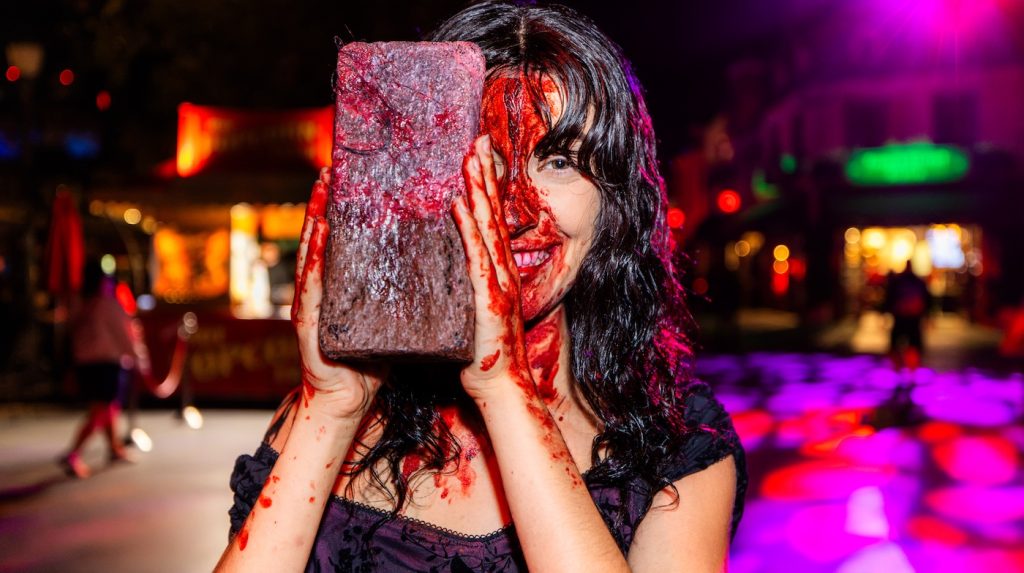
“It was extremely late in our development cycle; normally we don’t do this, but I’ll credit our fans for this because it was purely them leading the charge,” Murdy says, adding that they did a lot of tinkering with where to logistically place Nikki in the park.
Halloween Horror Nights is far from the only horror-themed attraction in Southern California, with Knott’s Scary Farm (which paved the way for experiences like Halloween Horror Nights) and Six Flags Magic Mountain’s Fright Fest targeting older audiences. Disney, meanwhile, draws in younger crowds with events like Mickey’s Not-So-Scary Halloween Party.
But Murdy says he doesn’t look at what other parks are doing: “I tend to trust our instincts.”
Murdy is currently writing the fifth house for next year’s event from Ireland, purposely far removed from the L.A. bubble. The extensive pre-production process is a testament to the well-oiled machine that keeps Halloween Horror Nights fresh and unpredictable for the die-hard fans who return time and time again.
For the creative minds that work around the clock, it always comes down to one goal: “Getting good scares,” Williams says.
Featured image: L-r: “Sinners” and “Stranger Things” at Universal Studios’ Hollywood Horror Nights 2026.