From “Channel Zero” to “Brand New Cherry Flavor” & “Verity”: The Wild Interior World of Writer Nick Antosca
Frightening films and terrifying TV are filled with tactics that masterfully manipulate. Jump cuts, executed well, make viewers earn their names, while descending string crescendos chill the blood. Makeup teams create monsters, and actors become slashers. Lit strategically and framed by directors, creative teams evoke darkly alternate realities. Such efforts haunt us, searing fear into millions of viewers. Nailing that terror depends on the collaboration of multiple talents. But the dark doors which begin the process are opened by one quietly horrifying person:
The Writer.
For those who write alone, the scribe works in silence; writers might be the most frightening talent involved. Exploring inner darkness, pouring out pathos, their intimate access to Stygian rivers of disturbing imagery floods our screens with screams. We’re lucky. When that tide overwhelms, we just turn off the show. Writers don’t have that option. Their personal theatre of inner villains and psychotic set-pieces provides permanent midnight, round the clock.
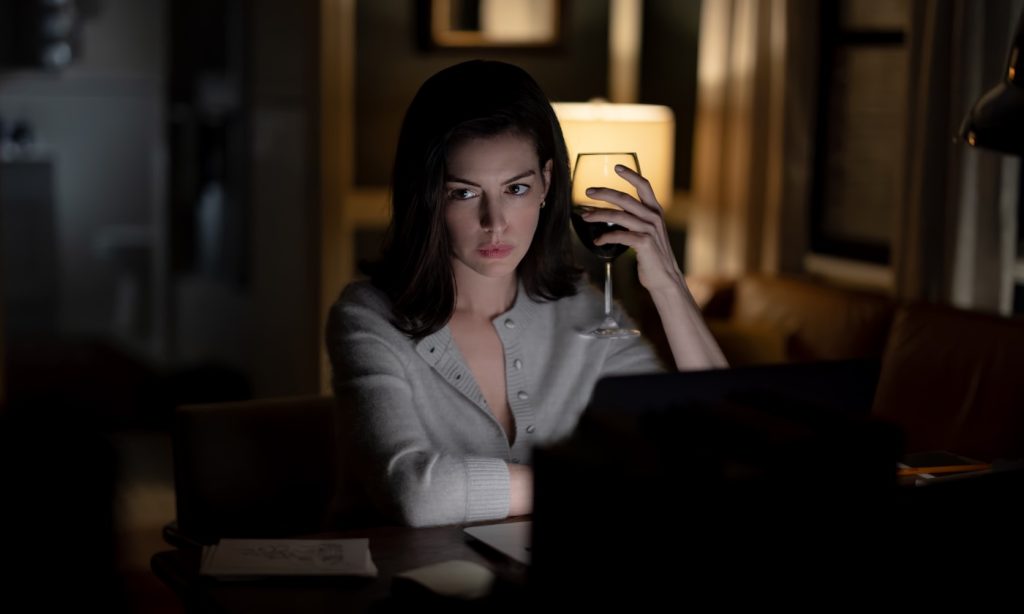
The dark drama of that reality is explored in the recently released film Verity. The story concerns a beautiful, best-selling author who is incapacitated in a tragic accident. When a struggling writer is hired to surreptitiously finish her incomplete manuscripts, strange terrors ensue. Projection, manipulation, paranoia, inner shadows, and buried truths abound. Hired by the rich and mired in their maze, Dakota Jackson’s starving writer learns the wicked wages of success from her master, Anne Hathaway. That lesson resonates with no shortage of thunder. Verity shows writing to be pretty dang frightening.
The screenwriter who penned this script should know.
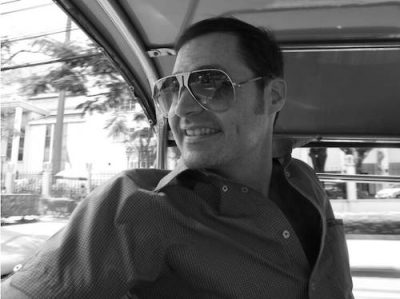
Nick Antosca is a frightening writer. Authoring fiction, he won prizes at Yale while an undergrad, then nabbed a Shirley Jackson Award for his haunting 2009 novella “Midnight Picnic.” Since then, teleplays and screenplays have been his weapon of choice. Verity is the latest in a string of deft, daunting horrors from a psyche that fairly explodes with sizzling shrapnel.
Aftershock from Nick’s vision has burned entirely new entries in our “Cannot Unsee” files. Where do we start with this guy? People puking kittens, girls eating their eyeballs, and children made entirely of teeth are all running around Nick Antosca’s head. Each should be seen to discern their disturbance. I can write “children made entirely of teeth.” But until you see that on Candle Cove, you’re not really getting the bite.
When it comes to getting Nick Antosca, Candle Cove is a good place to anchor. This floating, ambient damnation of children’s television was the first story arc in the Syfy horror anthology Channel Zero. Airing in 2016, Antosca served as showrunner, creator, and executive producer of Candle Cove. Based on an original idea by Kris Straub, Candle Cove was realized for television by Antosca and a room full of writers who explored the lure of lost memory and creepy kids shows that aged terribly, terrifyingly bad.
Candle Cove is the fictional TV puppet show at the center of this horror tale. Watched in a distant 1980s childhood, the jerky, low-budget production is later remembered by the lead character. But that memory is strangely distorted through time… and other mysterious forces. Candle Cove is only remembered by children of the era. That’s because only children saw it. Adults who watched the TV show saw only static on the screen.
Lucky them.
Years later, when the lead character of Channel Zero returns to his hometown, he starts to deconstruct this creepy, long-lost TV experience. Connecting the dangling puppets to a string of unsolved child murders, Candle Cove reveals a new dimension of imagination, entertainment, and evil.
Plus that kid made entirely of teeth.
Don’t forget that kid. You’ll try to. You won’t be able to. Then take a moment to realize where he came from. Before the special effects team made the costume, before the actor put it on, before the director framed shots, the writer was there. Staring at the proverbial blank screen, Nick Antosca yanked this impacted nightmare of deeply creepy teething from the maw of his mind.
That process apparently opened up access to larger layers of subconscious dread, as evidenced by 2021’s Brand New Cherry Flavor. Netflix released the eight-episode horror drama, and Antosca created the show with Lenore Zion. Both shared writing credits on several episodes. Set in a satanic maze of power-hungry players prowling the shadows of 90s Hollywood, Brand New Cherry Flavor deconstructs the myth of “making it.” Showing the grimy stew beneath the shine of creativity, Cherry Flavor wickedly shifts the business of movie-making into an arcane engine of blood pacts, black magic, and kitten puking.
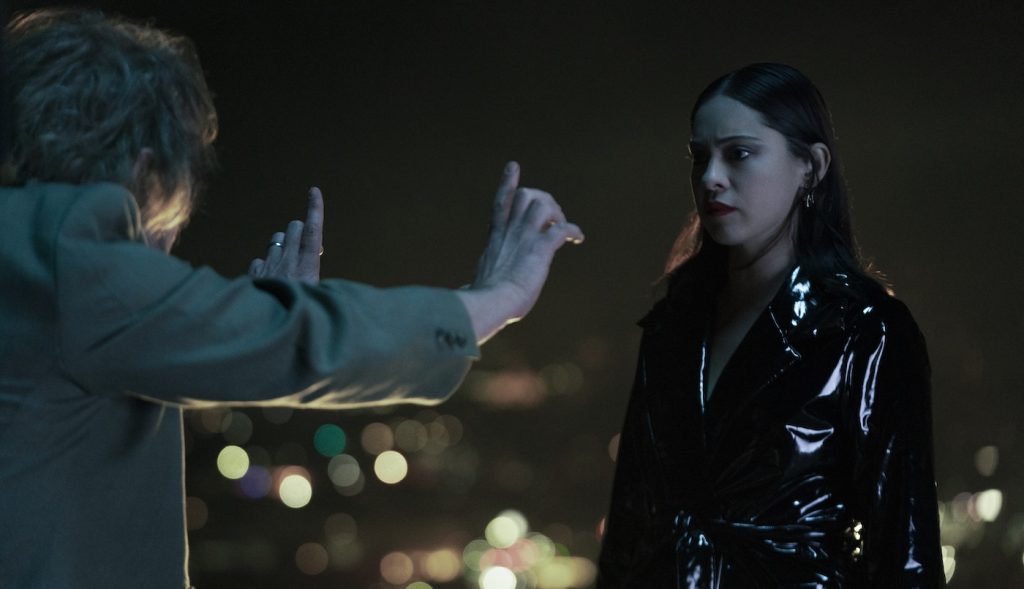
Yes, that happens. You did not read that incorrectly. People barf baby cats in this production.
Going about as far out as possible—while still staying in bounds—Brand New Cherry Flavor shocks with imagery that blasts open the strangest of satirical terrains. Spoiling those discoveries would cheat Nick Antosca the hard-won privilege of projecting his id within the story arc. Layered with symbolism and cosmology, and played out in the hell of revenge, Cherry Flavor suggests Antosca has seen a lot. Maybe too much. And probably needs a vacation. Or at least some cookies and a friend.
If Candle Cove haunts, Brand New Cherry Flavor terrorizes. The former explores television’s fuzzy brain rot in a dreamy, drifting, slowly growing nightmare. The latter explodes film’s glitter with towering distortions and brutally violent surrealism. Having darkly, artfully scorched TV and Film, Verity grants Antosca the chance to dispatch the discipline which drives both.
Verity’s focus on writers opens the original theatre of horror—our own mind. Traversing that territory is what makes writing—and sometimes writers—frightening. The job takes place in the shadow aspects of self, where society’s smashed and stashed truths are hidden. Some of that happens automatically, as certain strains of the human experience exceed our processing capacity. Other aspects are deliberately drowned, kicked off the dock by the shockingly familiar monsters in our midst…or by monstrous elements within ourselves.
Writers get paid (sometimes) to find that stuff. Working as existential junk removers, they haul away discarded social aspects and shape them into more acceptable forms. Things like puked-up kittens or kids made of teeth. Which, for some reason, we all find perfectly fine and natural. So it’s only natural that such a frightening writer as Antosca would be tapped to blast the craft of writing in Verity.
Based on Colleen Hoover’s bestselling novel, Antosca’s screenplay dramatizes the writing process through a triangle of relationships and lies. One of the job’s greatest horrors—how to pay the rent—is a driving plot device. Overcoming that can be murder, as Antosca’s script suggests. Verity is the famous writer’s name, but it’s also a written word. Defined as “the quality or state of being true,” verity is revealed here in degrees. Tension progresses darkly through such degrees. Beginning with “Wow, this new job is killer!” things lean toward “Wow, this new job might be for a killer!”
Such formidable swings often accompany the writing life… at least psychologically. Antosca projects that mental, bipolar expression into physical, dramatic reality through Verity. Showing a writer hired to replace an author who is paralyzed, mute, and in a vegetative state, Antosca dramatizes the dangers of the job. But hey, there are perks. All this plays out in a fantastic lake house.
But even sitting pretty, writers should watch their six. Dredging what society buries churns up lumpen clumps of human ruin. Tragedies tend to gather. Appropriate caution applies not only to frightening writers, but to our entire scribing tribe. Work will float us through the heart of darkness. Verity shows that harrowing trip. Truth doesn’t come up easy, and the process is pretty weird. Sometimes frightening. Probably, it’s like puking kittens.
Nick Antosca does that very well.
Featured image: BRAND NEW CHERRY FLAVOR Episode 101 of BRAND NEW CHERRY FLAVOR Cr. SERGEI BACHLAKOV/NETFLIX © 2021