Face Yourself: The Dark Art of Reinvention in “Clayface,” “The Substance” & More
In life, plastic surgery has proven remarkably transformative and positive. Possibilities span from improvement to indulgence. Strategic nips and tucks work for some. Erasing years to enhance appearance, they add professional advantages in our youth-obsessed society. Others funnel their efforts towards beauty and booty. Uplifting butts, they re-up their value on the sexual marketplace. There are also procedures that are patently miraculous. Skilled surgeons with advanced technologies perform this vitally transformative work for disfigured accident victims. Rebuilding faces and bodies, they help traumatized survivors recover their lives.
All of that is good.
Unless you’re in the movies.
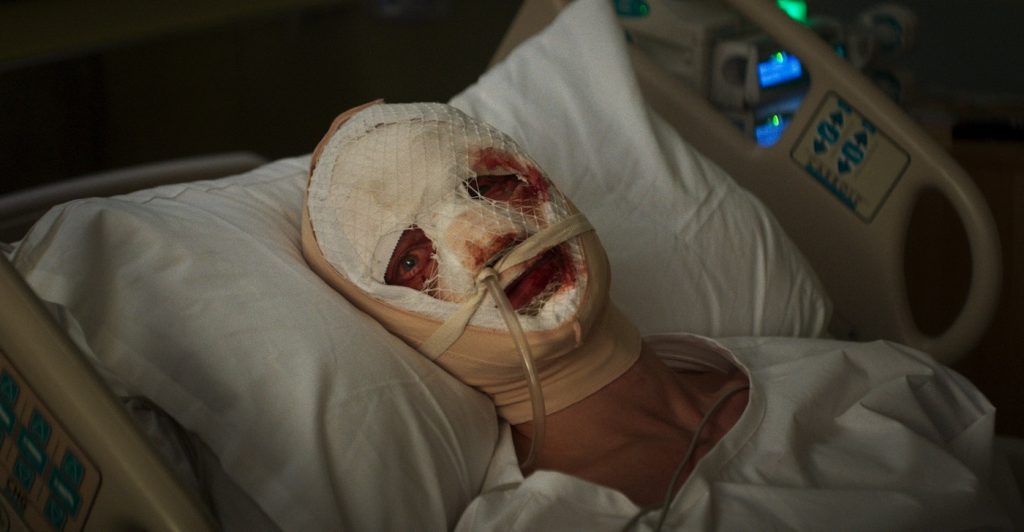
With predictable consistency, films featuring radical plastic surgery lean dark. And that’s the nice ones. Most Face Films go full-on, boldface capital DARK. Which is ironic, given Hollywood’s propensity to chase youth. With job requirements that include eternal youth and otherworldly beauty, such work is understandable. But public judgment of such work often runs brutally toxic.
A love/hate relationship with plastic surgery might be a reasonable way for Hollywood to vent its collective conflict. The following films, however, suggest that conflict is far from reasonable. Trading love/hate relationships for lament/scream, these features show plastic surgery descending into bombastic plastic realities. Bending and flexing with unpredictable terror, they freeze their protagonists within deadly expressions of regret, terror, and dread.
But hey—some of them look great before all that happens.
Which is pretty much how Face Films go: People look better, then things get worse.
Way worse.
The latest dark star of the DC universe proves that in spades. Director James Watkins’ Clayface, which had a strong opening weekend, is a roiling, boiling nightmare of experimental facial surgery gone terribly, horribly wrong. Which is usually what happens when words like “experimental” and “face surgery” come together in movies. Characters submitting to such risks probably deserve what they get. But Matt Hagen, Clayface‘s anti-hero, gets much more than a banged-up grill. Guy walks in the doctor’s office expecting a new lease on life. Walks out the door as a malleable, unpredictable, clay-like entity.
Which kind of upsets him. And it’s hard to argue with that.

Instead of processing that pain with 12-Step Groups of malleable, clay-like entities who share his pain, Clayface takes his show on the road. Snarling with ballistic fury, the transmogrified monster reduces Gotham to blazing ruins that match his blasted face. Razing the landscape to raise his fallen self-esteem, Clayface dramatically enacts a textbook case of narcissistic rage. Actually, let’s make that psychotically enacts—and there’s nothing textbook about Gotham.
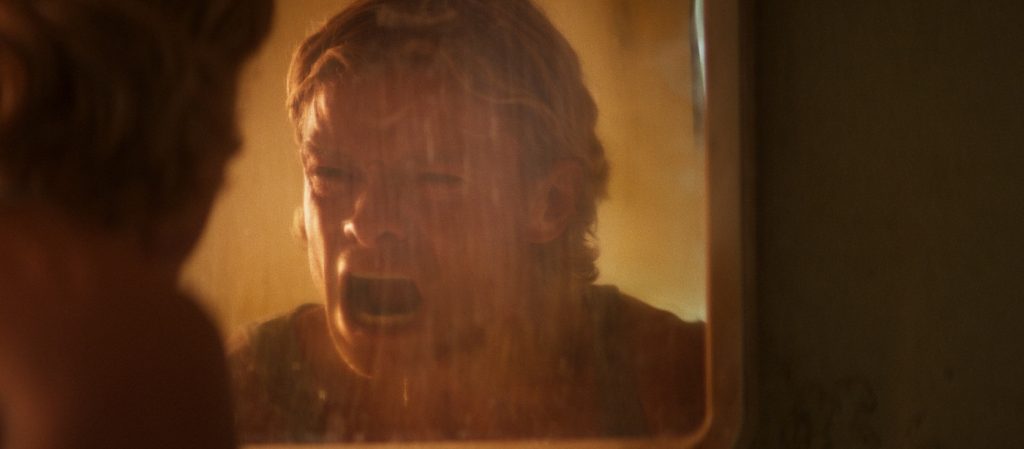
Played out in the heightened, surrealist landscape of DC Comics distortion, Clayface’s dysfunction is ratcheted up to the hellish hilt. Which might give us all cause to reflect. Providing the insanely vain villain for our perilously self-involved times, Clayface embodies the preening evil lurking within the shining smiles of social media.
But social media didn’t make people vain. Cracked actor Matt Hagen might be tragically flawed, but that flaw isn’t unique. People have always liked a good look at ourselves…or wanted a better one. A rich heritage of characters has savagely or surreally tackled that drama across different decades.
John Frankenheimer’s Seconds presents the dilemma in 1960s Twilight Zone paranoia. Starkly shot in black and white, the movie is a horrifying twist on second chances. Second chances can be wonderful in many areas of life. Who wouldn’t celebrate a second chance at love or professional success? Seconds chases that dream to the extreme by depicting a business that gives people entirely new lives for those who regret their existence.
Working in strange, underground hospitals hidden within a meat-packing plant, the doctors and handlers of Seconds provide brand new “second” lives. Changing faces, fingerprints, signatures, teeth, and voices, they recraft beleaguered, disillusioned citizens into alternate personalities that bear no resemblance or connection to their past selves. Whisked off to a community of other “seconds,” they meet strangers who have quite literally carved a new niche for themselves.
That new niche comes with lots of new rules. Like never, ever talking about your first life. Which our hero, Antiochus Wilson, does—played with conflicted, paranoid torment by a brilliant Rock Hudson. Such outbursts draw serious attention from the Seconds team. Known only as “the company,” their services are provided at soul-stealing prices. As he navigates a paranoid, surrealist ride through his new timeline, Antiochus’s second lifetime sets the stage for rampantly awful deadlines.
Brilliantly directed by The Manchurian Candidate’s creator, Frankenheimer’s psychological nightmare is enhanced by DP James Wong Howe’s cinematography. Classic master of film noir, Howe casts the psychedelic ambiguity of Seconds within clearly damning frames of black and white. The result is a shockingly stark morality tale, neatly pinned within the sloppy complexities of modern psychology. That morality tale’s message concerns the tragedy of getting what you want in life… only to discover what you already had was infinitely better. Pondering that catch while eternally spiraling into demented lament, Face Film stars at least look good while they scream.
Our next Face Film requires a good look, and perhaps a second and third look to really appreciate. But all efforts are respectful investments in a modern-art work that moved through the 1990s movie world in stealth mode.
Abre Los Ojos translates to “Open Your Eyes,” which makes this brilliant effort by director Alejandro Amenábar a film that deftly earns its name. The larger public might have missed Abre Los Ojos, but Tom Cruise and Cameron Crowe didn’t. This beautifully confusing, shockingly original Spanish feature was bought and remade as Vanilla Sky. That helped launch Amenábar’s US directorial career. From this layered, surreal Spanish story, he went on to create US feature films The Sea Inside with Javier Bardem and The Others, starring Nicole Kidman.
Abre Los Ojos stars a vibrantly beautiful, hypnotically enticing Penelope Cruise in the same role she played in Vanilla Sky. Beyond that connection, the films exist in separate stylistic realities. Plotting out Abre Los Ojos will spoil too much of the approximately 12 metric tons of WTF? this strange Spanish gem delivers. Respecting that gem, we’ll trade Basil Exposition for Basil Implication and tread lightly in our synopsis of the ambiguous horror involved.
Sleeping around Madrid, rich, handsome playboy Cesar gets a little too frisky with his life of leisure. When high-speed consequences crash into his life, a shaken Cesar gets involved with a strangely sinister corporation called Life Extension. The fact that this involvement spans various points in his future and past suggests strong potential for lament/scream outcomes. But those potentials are obscured within a deceptively polished corporate front.
Much has changed since the 1960s Seconds, when identity hack ‘n whack jobs happened in dingy meatpacking basements. Cesar’s chance to go Clayface in 1990s Madrid happens within the humming gleam of corporate power. And that’s not such a good thing. When splicing yourself into hell happens over cappuccinos, fantastic views of downtown obscure the consequences of such decisions. Thankfully, contracts signed upon commencement of services spell out all the hellish details in damning detail, complete with NDAs. Cesar learns that fine print through the fine point of piercing, eternal regret.
Our final Face Film teaches a similar lesson, with far less subtle ambiguity but with more than enough visual and emotional chutzpah to make up for it. In Coralie Fargeat’s The Substance, Demi Moore’s Elisabeth injects bitter, brutal regret like black-market Brazilian butt filler. Hammering home the lesson that One And Done is really the tragically responsible way to experience life, The Substance shares a radical remedy for aging actress Elisabeth Sparkle.

In Face Films, characters named Sparkle are bound to tarnish. When age 50 hits her like a sledgehammer, Sparkle gets fired from her television show. Such ageist angst happens in many careers. Some explore healing through therapy. Others find new careers. Sparkle finds a black-magic bootleg injection and creates a younger, highly sexualized succubus version of herself. Really. That’s exactly what she frigging does.

Managing this minx requires mutual spinal taps and strictly scheduled body swaps. You know how it goes. Predictable pratfalls and pathos ensue. Actually, strike that. The most insanely distorted and shimmering scimitars of hallucinatory horror go completely mental all over your screen. Hyperreal and wickedly satirical, The Substance’s doppelganger spinal tap shots will haunt you throughout your life.

And let’s pay attention to these haunting messages. From 60s Seconds through to today’s Clayface, Hollywood remains remarkably consistent when it comes to radically experimental cosmetic procedures.
The moral of these stories is clear: face yourself.
Don’t reface yourself.
Featured image: Caption: TOM RHYS HARRIES as Matt Hagen in DC Studios’ “Clayface,” a Warner Bros. Pictures Release. Photo Credit: Photo by Parisa Taghizadeh