“Shōgun” Star Takehiro Hira & “Tokyo Vice” Producer Alex Boden on Japan’s Cinematic Power
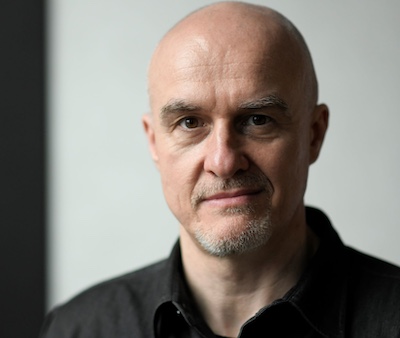
With generous production incentives, world-class crews, and an extraordinary range of locations, Japan is fast becoming one of Asia’s most attractive filming destinations. International productions including Tokyo Vice, Shōgun and Rental Family have showcased everything from historic castles and centuries-old temples to bustling urban neighborhoods and snow-covered mountain towns. Actor Takehiro Hira (Shōgun, Giri/Haji, Monarch: Legacy of Monsters) and producer Alex Boden (Tokyo Vice, Cloud Atlas)—both ambassadors on a new location short film competition—share how filming across Japan’s iconic and lesser-known locations helped shape their productions and why the country is increasingly on the radar of global filmmakers.
Born in Tokyo into an acting family, Takehiro Hira was initially determined not to follow in his parents’ footsteps. Following high school and college in the US, he joined an investment company and then an internet startup. But when a producer joked about him playing the role of his father’s son on stage, Hira confessed a few days later that he would like to give it a shot. Making it a truly family affair, his mother played his father’s ex-wife in the production.
“They had been divorced for 17 years and hadn’t exchanged a word in all that time. In the play, they were a couple who’d been divorced a long time and did not like each other,” recalls Hira, laughing at the memory on a video call from Hawaii, where he is now based.
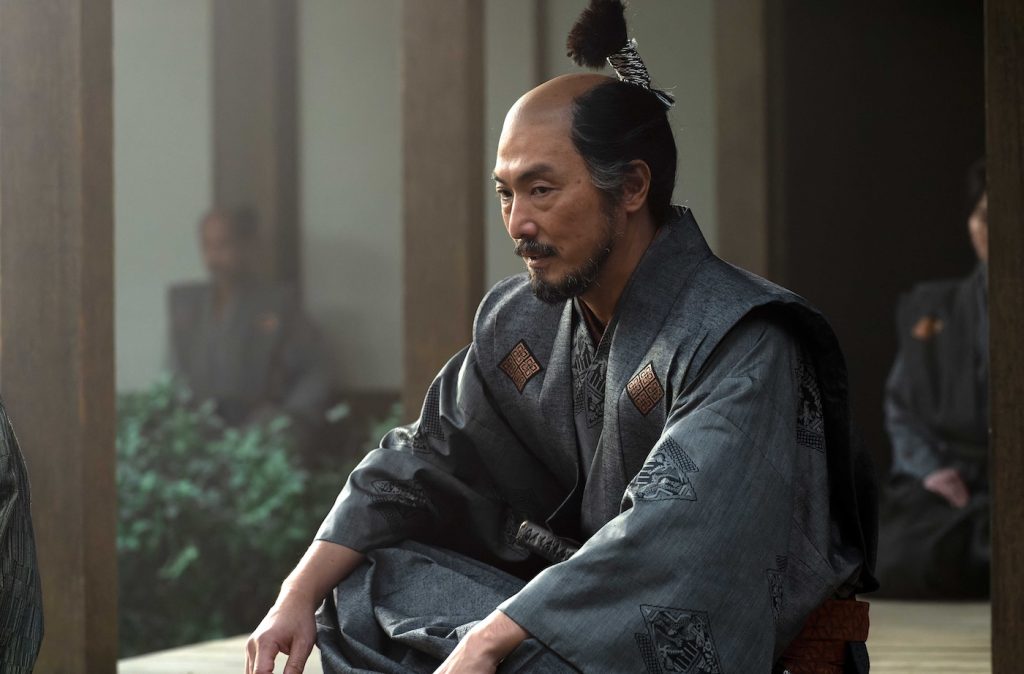
While traveling around Japan playing mostly minor parts with his father’s troupe, a producer spotted him for a taiga drama—year-long period epics from public broadcaster NHK. The 2008 series Atsuhime was a ratings smash and Hira’s turn as Japan’s last shogun caught the attention of many.
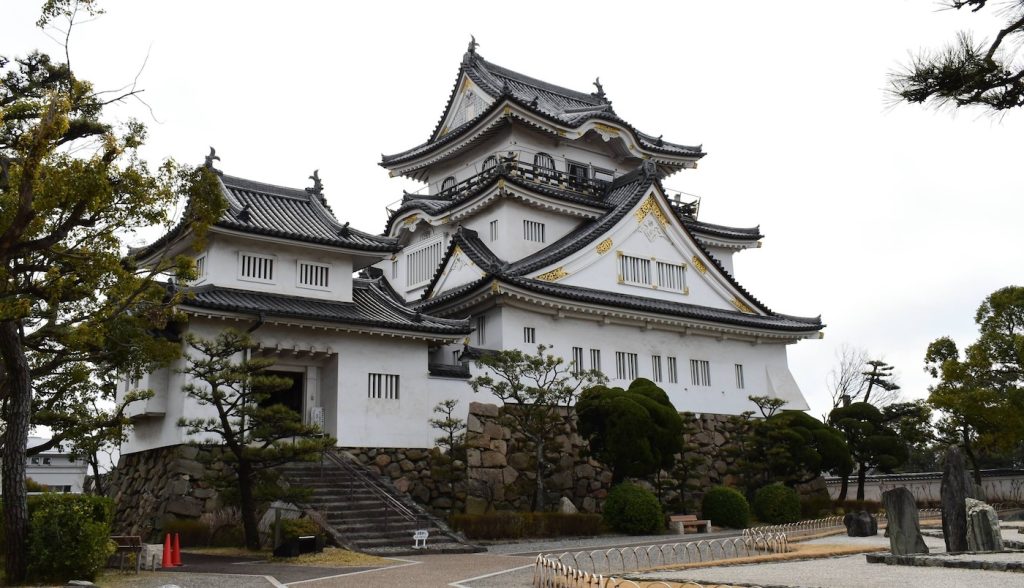
Among Hira’s most memorable locations over the years is the Engyō-ji temple in Himeji. He shot there for Masato Harada’s 2017 epic Sekigahara, depicting the battle that was instrumental in unifying Japan, which was also filmed at the huge Himeji Castle compound. Hira returned to the temple for Snake Eyes: G.I. Joe Origins (2021), with exterior scenes shot at Osaka’s Kishiwada Castle.
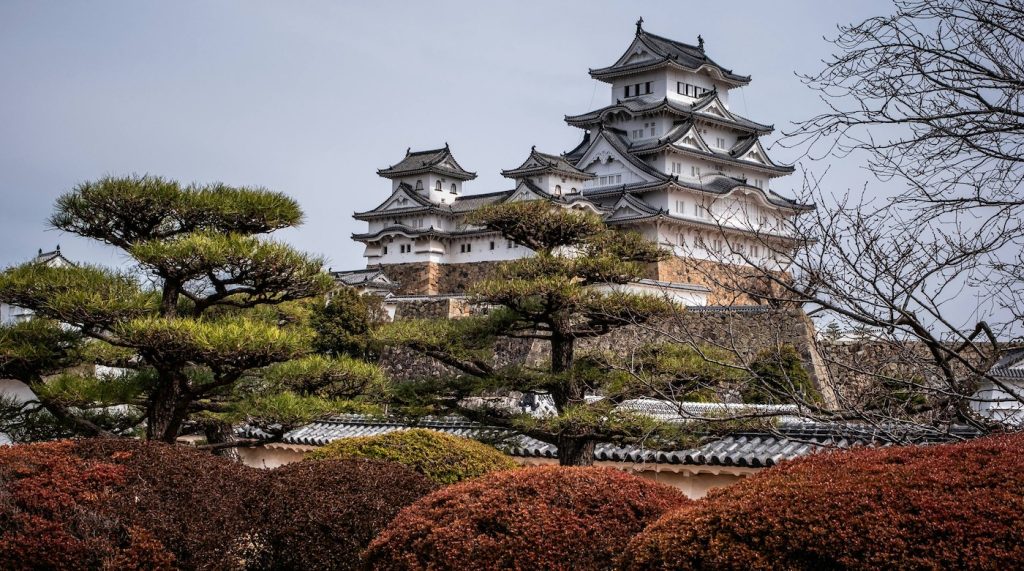
“And it’s interesting how differently they dress and shoot the location. Hollywood is more—how do I say it—flamboyant: they do the exotic Japanese lanterns and all the colors,” says Hira. “Japanese productions try to keep it chic, keep it subdued, I guess.”
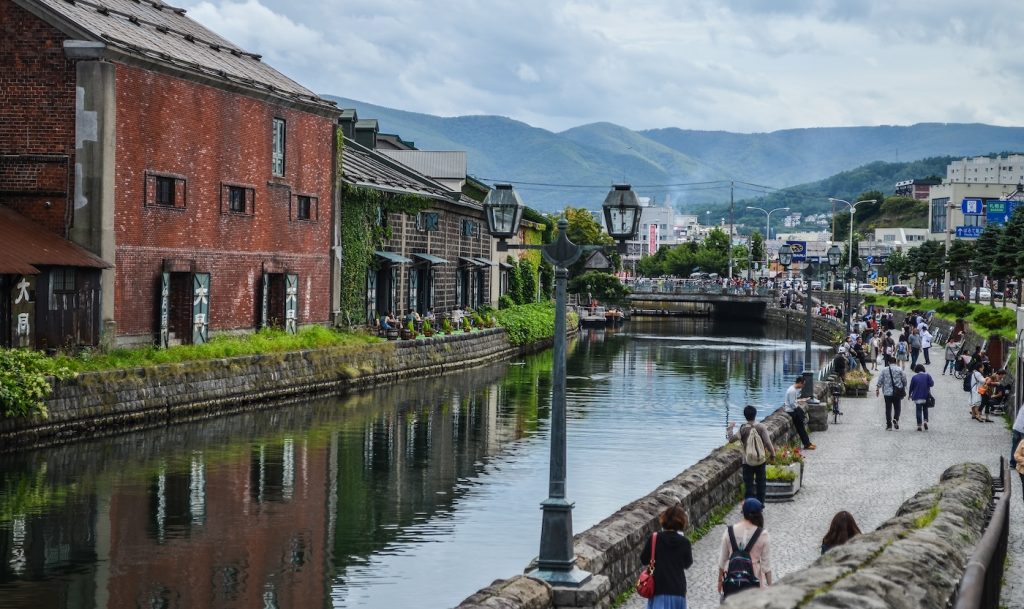
Otaru on the northern island of Hokkaido was another standout: “A beautiful city.”
Hira acknowledges that dealing with local entities is a challenge, but that communication is key. “If you know how to talk to people, there are lots of doors that open to you.”
Snake Eyes was an early recipient of the Japanese new production incentive initiative, which, combined with a weak yen, more openness to filming and great locations, now makes the country very attractive, believes Hira.
“Japan could be the next destination for a lot of Hollywood films,” he adds.
In terms of scale and ambition, there may be few productions to match that of the two seasons of HBO’s Tokyo Vice shot almost entirely in Japan.
Producer Boden, who worked on both seasons, began his career working internationally while still on a combined drama and German degree at Exeter University in the UK. During a year in Berlin as part of the language side of the course, he “worked in theatre and in dance, cabaret, all sorts of productions, as a director’s assistant and producer’s assistant.”
Drawn by the creative energy in the city in the years after the fall of the Berlin Wall, he moved there after graduation, going straight into international coproductions with the UK.
“That was an early lesson for me as a British filmmaker: things are done differently in different countries, and you don’t necessarily want to change how they’re done. Your way isn’t necessarily the right way. The right way is what’s best for the project and for where you are,” says Boden.
The know-how Boden accumulated there, and in the more than 40 other countries he has worked in over the years, came in handy when the production arrived in Tokyo in the middle of COVID. Though the situation is gradually easing, Tokyo remains a challenging place to shoot, even without a global pandemic. Travel restrictions meant they could bring in limited personnel, though Boden hails the quality of the local crews who stepped up.
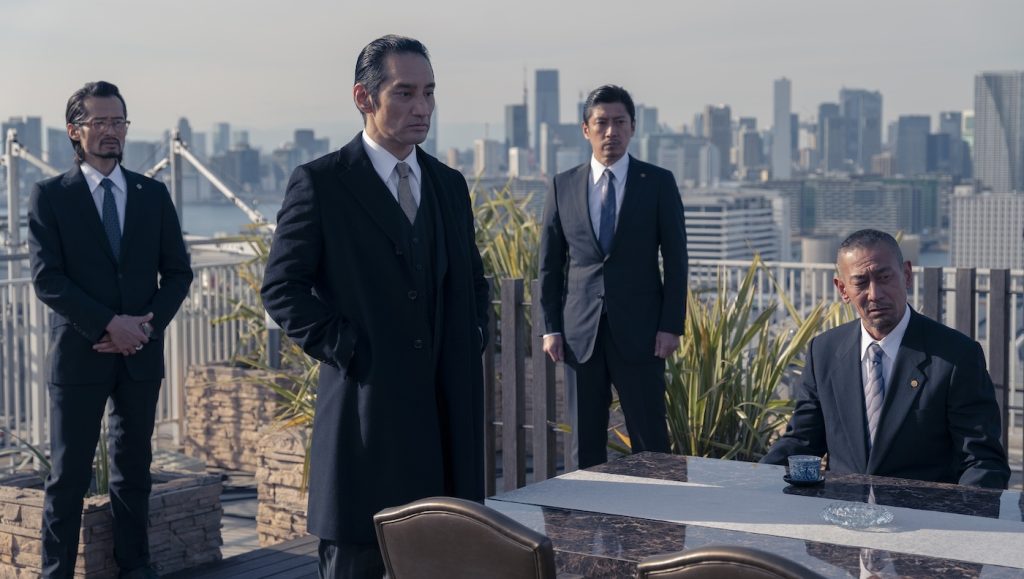
Perhaps counterintuitively, some of the easier locations to shoot at in Japan were places of worship: “We filmed at a few different shrines and temples over the two seasons. It’s private land, and they usually have a lot of space. One of the things you’re often looking for with locations in Japan is places where you can somehow not interfere with daily life.”
One standout, used for a funeral scene, was Ryuko-ji in Fujisawa, Kanagawa: “a breathtaking place.” Another, also in Kanagawa, was the Tsurumaki Onsen Jinya Hotel, a traditional hot spring inn with more than a century of history.
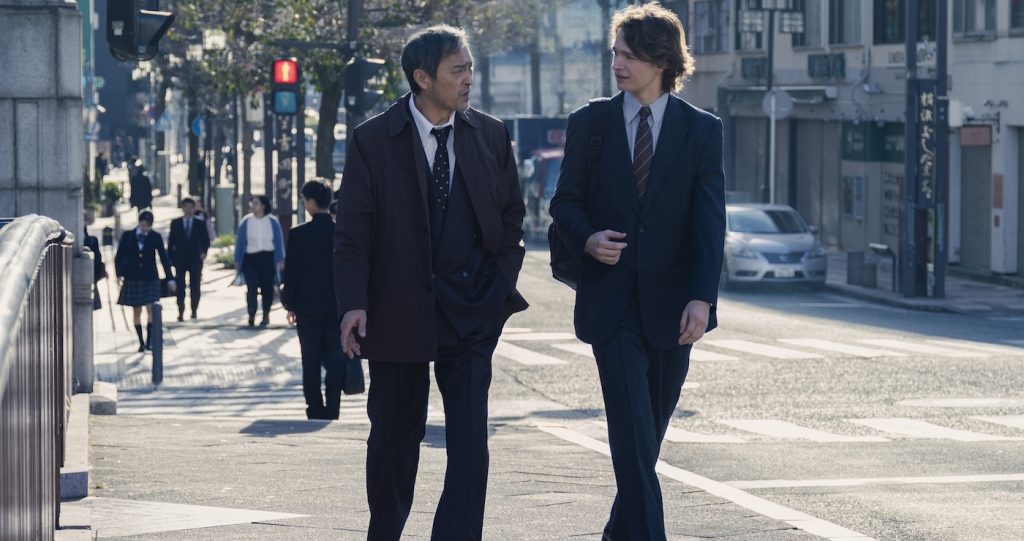
In addition to filming at spots such as Kabukicho’s Golden Gai and the Shinjuku batting cage, as well as the Okura hotel, there were less obvious locations like Akabane, a neighborhood on Tokyo’s northern edge full of narrow alleyways and an old-time feel that made it the perfect setting for the main character’s apartment in the nineties-set drama.
“Ansel Elgort, who plays Jake, really connected with Akabane. He’d spend a lot of his private time there, getting to know the neighborhood. I believe he even stayed there. He had his favorite ramen bar, of course.”
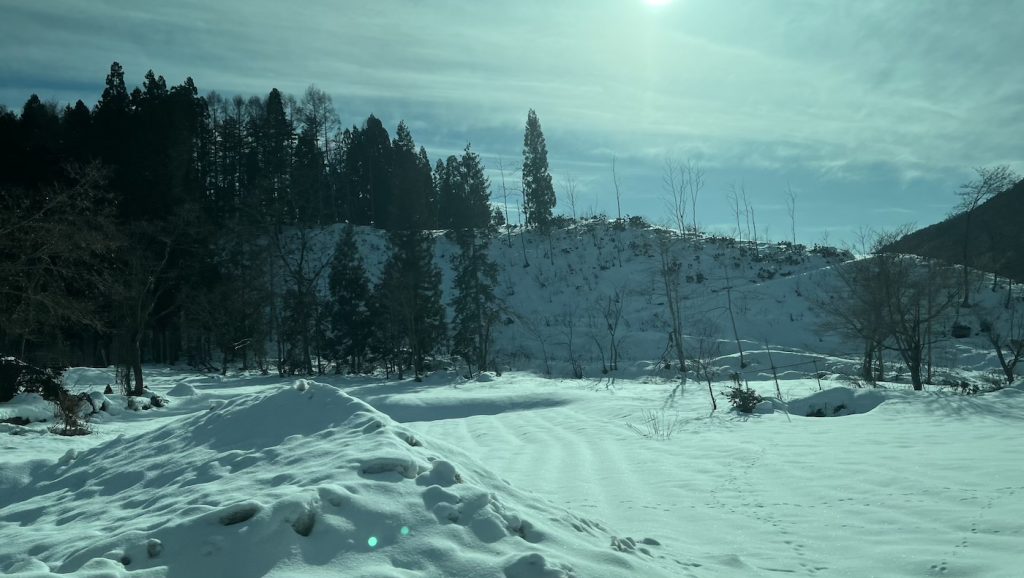
Having filmed in the prefectures around the metropolis, including Saitama for the home of Ken Watanabe’s character and also in Yokohama, Season 2 ventured into mid-winter mountainous Nagano. Scenes were shot at multiple locations, including Suzuka Station, Yudanaka Station, a remote cabin in the hills at Ageya, a tunnel in Yamanouchi town, and the “picturesque serpentine mountain roads”.
“The mountains were blanketed in snow when we came to film in Nagano, which made for a perfect shoot. Being able to ground the story world in real locations, instead of building sets, was a win in every way,” concludes Boden.
Actors also feel the difference, especially with a location like a temple, suggests Hira: “On screen, a set looks fine, but you can tell when it’s all real. And the effort to get to the location, the air, the atmosphere, the people who take care of the place—the monks and people like that—it puts you in a totally different world.”
As part of its mission to showcase the vast diversity and charms of shooting locations across Asia, the Motion Picture Association Asia-Pacific (MPA APAC) launched a short film competition in countries around the region, beginning with Japan in 2022. It returns to Japan this year, inviting 60- to 90-second submissions that highlight a location that could provide the backdrop for a great story.
The submission deadline for the Japan Location Short Film Competition 2026 is September 7, with winners and cash prizes to be announced during the Tokyo International Film Festival.
Featured image: “SHOGUN” — “Tomorrow is Tomorrow” — Episode 3 (Airs March 5) Pictured (L-R): Takehiro Hira as Ishido Kazunari, Tadanobu Asano as Kashigi Yabushige. CR: Katie Yu/FX