
“Paradise” Supervising Location Manager Duffy Taylor on Building a Post‑Apocalyptic World—Without Leaving California
When we left Dan Fogelman’s post‑apocalyptic thriller Paradise last season, Secret Service agent Xavier Collins (Sterling K. Brown) learned that his wife, Teri (Enuka Okuma), is still alive—three years after an extinction‑level event forced 25,000 hand‑selected Americans underground. The titular city of Paradise, engineered and controlled by tech billionaire Samantha “Sinatra” Redmond (Julianne Nicholson), promised safety and order. Outside its walls, survival is far messier.
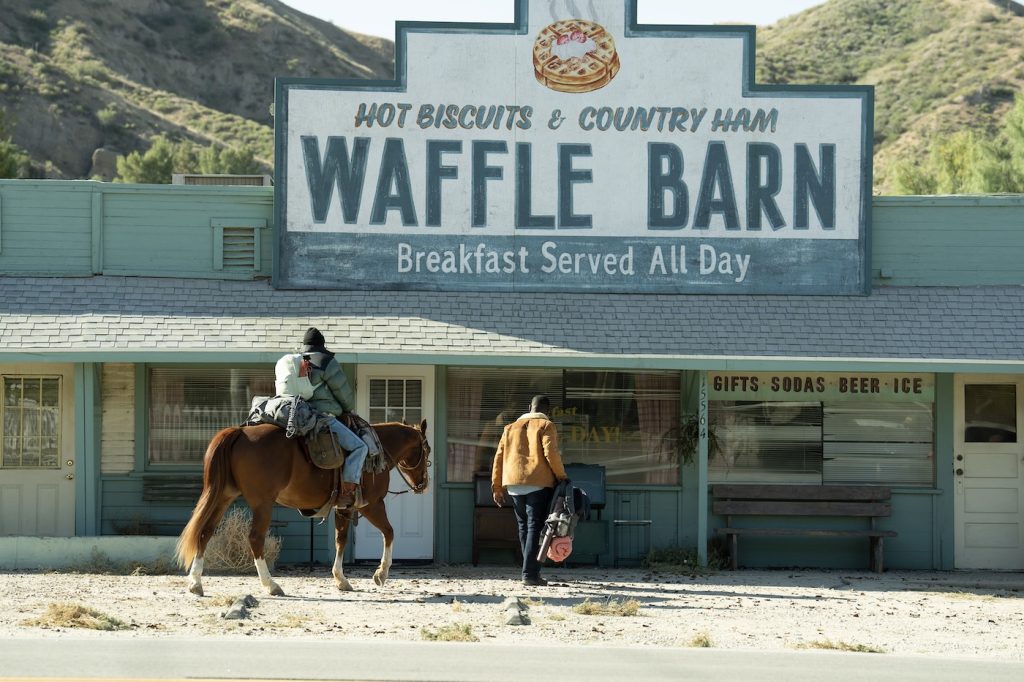
One of the show’s quiet marvels is how expansive and geographically far‑flung Paradise feels—despite being filmed entirely in California. Both seasons were produced in‑state thanks to $15.5 million from the California Film & Television Tax Credit Program, supporting $76 million in qualified expenditures across 96 shoot days and employing roughly 450 cast and crew members.
For supervising location manager Duffy Taylor, that mattered deeply.
“I’m really grateful to the state of California for the tax credit program,” Taylor says. “To be able to work and then go home at night and see our families—there are a lot of grateful Angelenos and Californians who are super stoked about that.”
Taylor spoke with The Credits about turning Southern California into Memphis, Colorado, and underground bunkers; the unsung vendors who make large‑scale television possible; and why California remains one of the most versatile places to film—period.
What makes filming in California unique?
California is very diverse. It offers so many opportunities to film different textures and landscapes—urban, residential, agricultural—and we have the ocean, lakes, and mountains too. You can duplicate many areas very well here.
How big is your team? Are they mostly local?
They’re all local—within about 30 miles of Paramount, where our base is. I have 12 core team members daily, but we can grow to 15 or 20, depending on the number of locations. They’re spread across Long Beach, Huntington Beach, Torrance, Fontana, Westlake, and the Valley.
Large productions rely on an entire ecosystem of vendors. Who were some of the unsung heroes on Paradise?
I manage anywhere from 2 to 4 layout board guys, depending on the scale. Our AC vendors keep everyone comfortable during the day and bring heaters at night. Waste disposal is critical. I also oversee security, which can scale from seven officers to twenty, depending on how many locations we’re filming.
What are some vendors people wouldn’t expect to be essential?
We film in a lot of open spaces and wild lands, so we use a company called Snake Wranglers. They check for venomous snakes, identify bee nests and yellow jackets, and even help steer skunks away. Honestly, I can’t think of anything that would shut a set down faster than a skunk. So they’re really wildlife management, and they’re essential.
Are Angelenos more jaded about hosting productions?
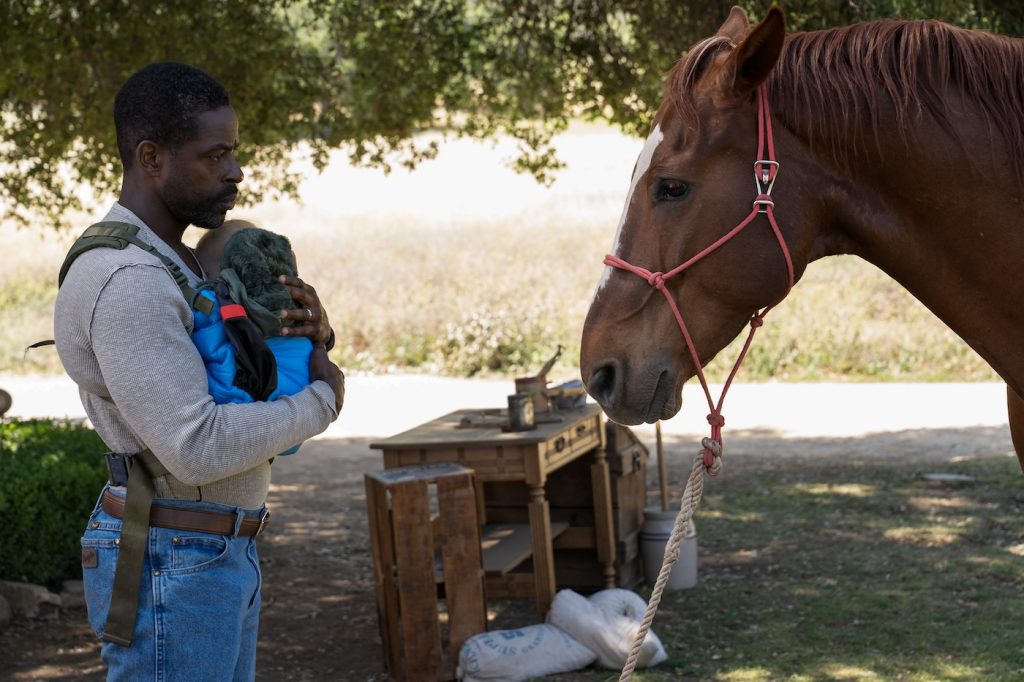
Some are, but overall, that hasn’t been my experience. It’s much easier to bridge the gap between production needs and neighborhood understanding here. We focus on making it mutually beneficial and taking care of the communities we film in.
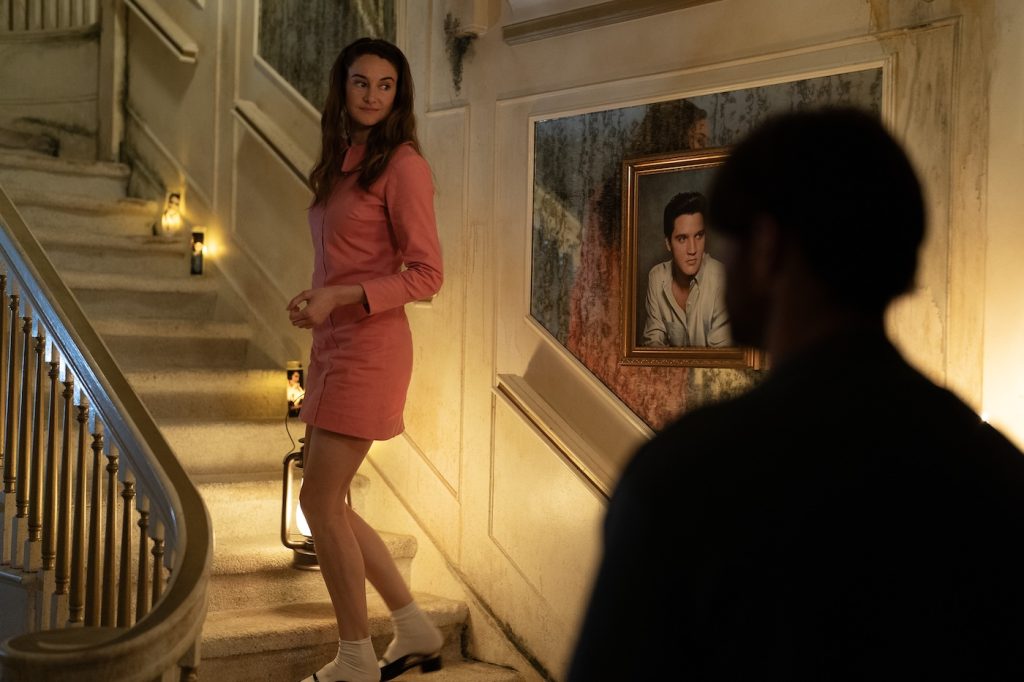
Season 2 opens with Annie alone inside Graceland after the collapse of the world. Where was that filmed?
That entire sequence was filmed in California using seven locations. The interiors were shot in Hancock Park and Windsor Square. The exterior was in Glendale, where we augmented it with sets and visual effects. The gates and cemetery were in Westlake, and the museum interiors were in Woodland Hills, inside an old Porsche dealership. We call that “Frankenstein‑ing”—assembling different parts to create a complete world. Watching it come together felt like a real achievement.
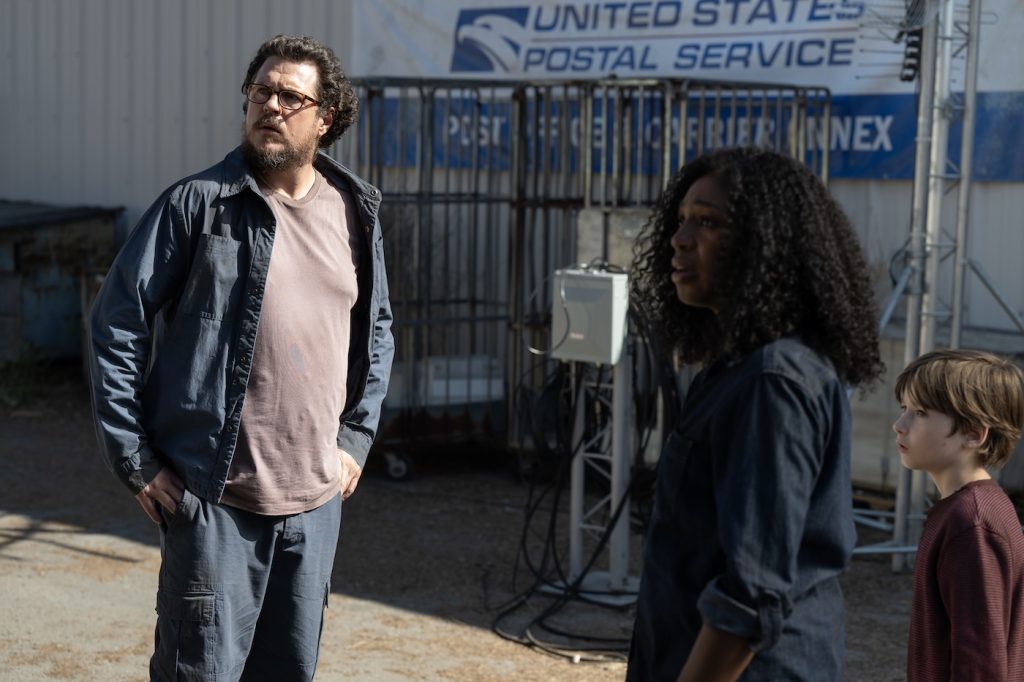
Gary’s underground post‑office bunker is a major part of the season. How was that built?
That was shot at RSI Pomona, which is run by Cal Poly. It’s a very diverse, film‑friendly movie ranch. We carved out areas to create the bunker compound and paired it with a separate interior location. One of the complications was doing snow in 90‑ to 100‑degree heat. The snow was created by special effects coordinator Blair Foord, who’s incredible. Hollywood Ice supplied massive blocks of ice, which were chipped and blown across the set to create real on‑camera snow.
How does the snow not melt immediately?
Once you build up enough layers, the internal temperature stays relatively low. You lose some surface melt, but we kept replenishing throughout the day. It’s fun in a slightly insane way.
Later in the season, Xavier chases Teri along a functioning train line. Where was that filmed?
That was shot in Fillmore, about an hour and twenty minutes northwest of Los Angeles, on tracks operated by Northern Sierra Railway. It’s one of the few places where you can actually close an active railway and choreograph scenes with real trains.
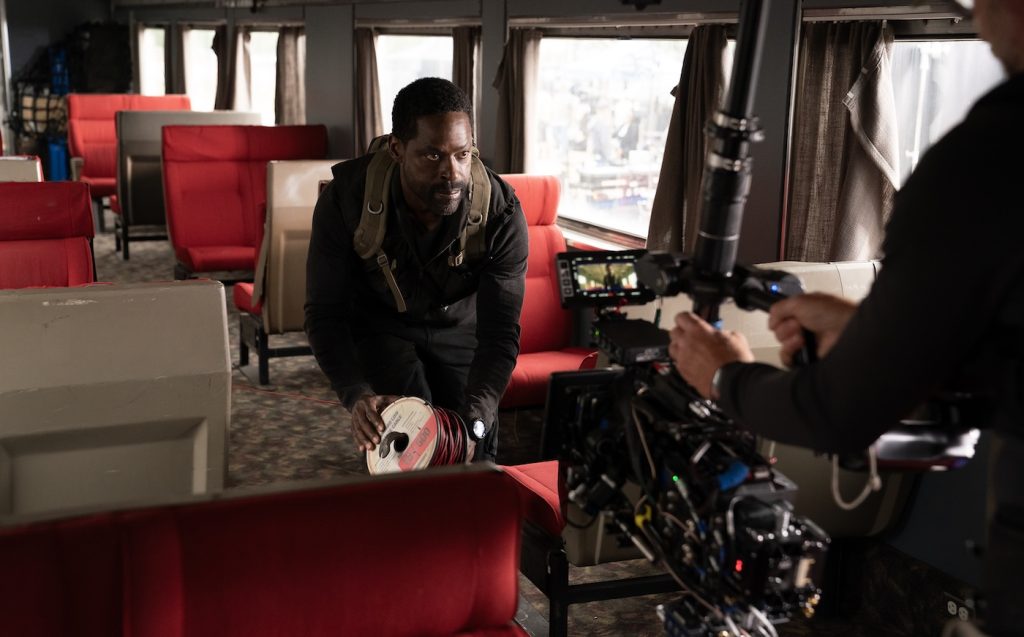
Are those real, operational train cars?
Yes—they took active trains offline for filming. Shooting with moving trains is like playing Tetris on steroids. You’re constantly repositioning cars and engines. But anytime you get to work with planes, trains, or automobiles, it’s exciting.
Just before the finale’s destruction of Paradise, Sinatra rides an underground train alone toward another bunker. Where was that filmed?
That was a combination of stage work and locations, including an old Ace Beverage building east of the L.A. River, near Fourth Street.
You’ve been filming in California for decades. Has that long history helped on a show like this?
I moved to Los Angeles in 1989 and started in production as a PA. A lot of my early education was just learning the city—doing pickups, deliveries, scouting, and driving everywhere. We have an incredible executive producer in Steve Beers, who’s been filming here forever. When someone like Steve says, “Oh my God, I never knew this was here,” I feel like I’ve won a gold medal. Those moments are some of my favorites. After all these years, California can still surprise you—and that’s what I love about this job.
Both seasons of Paradise are streaming on Hulu.
Featured image: PARADISE – “A Holy Charge” – Xavier and Annie travel to Atlanta, contrasting life in this new world and the one he left behind in the bunker. (Disney/Anne Marie Fox) STERLING K. BROWN