
“A House of Dynamite” Editor Kirk Baxter on Sculpting Kathryn Bigelow’s Cinéma Vérité Nuclear Thriller
In Kathryn Bigelow’s cortisol-triggering nuclear thriller, A House of Dynamite, various national security, military, and political officials in the highest levels of the U.S. government are blindsided when a nuclear missile is headed for a major American city. With only 20 minutes before impact, the story follows these officials as they scramble for a solution from various locations, including a missile defense battalion in Fort Greely, Alaska; General Brady’s (Tracy Letts) team at US STRATCOM (Strategic Command); the White House Situation Room’s 24/7 “Watch Floor” intelligence center; and the underground bunker at the White House, aka PEOC (Presidential Emergency Operations Center). To fully capture the urgency and panic of the unprovoked attack, the film was shot on three sound stages in New Jersey, simultaneously documenting everyone’s reactions as the same events are replayed from three POVs over the course of the film. Full-scale replicas of these locations were constructed with 360-degree access and operational telephones and telecommunication screens (which track the missile’s trajectory and time to impact) to allow the actors to interact with each other in real-time.
Two-time Oscar-winning editor for The Girl with the Dragon Tattoo and The Social Network, Kirk Baxter was thrilled to work with Bigelow’s cinema vérité style. “Knowing Kathryn’s body of work, I knew it was going to be extremely researched and presented like a documentary — it feels witnessed rather than forged or created. Her best work has that feeling about it. She likes loose camera work, handheld [cameras], long lenses, and lots of close-ups: it has that war correspondent feeling.”
Recently nominated for a Critics Choice Award for the film, Baxter spoke to The Credits about his first time cutting a film in the order of the story and what it took to maintain nail-biting tension without overwhelming the audience.
The film is so incredibly intense that after watching it, I immediately went for a beer!
[Laughs] We’ve had some screenings that ended in absolute silence; everyone’s just a bit devastated, and it takes a minute for them to collect themselves. Maybe we should have passed out some beers.
The shooting style is very unique — we see the same nail-biting 20 minutes from three POVs while everyone tries to navigate the impending nuclear catastrophe. What was your first impression after reading the script?
The script was incredibly exciting, and I’m always attracted to thrillers. Once I realized we were seeing the same story going through the layers of government, I knew how complex it was going to be. It was written in a way that really highlights the craft, so it’s a wonderful piece for a film editor.
This is the first time you have edited a movie in chronological order from beginning to end, which is particularly important for this film. How did that change your process?
It was a real gift to be able to edit it that way. Normally, you’re editing while they’re shooting, and you’re hopping all over the place. But due to my schedule, I couldn’t start while Kathryn was shooting. It was happenstance, and I think it really helped the final product. Having the ability to make one act at a time in story order really made it clean and systematic, but I still had to do a lot of back-and-forth. Once I finished with the on-camera performances, that affected what we heard in the previous scenes. The first pass was about the performance, the emotional landing of everything, and delivering on its pace as a thriller. Then, to make it feel witnessed, all the same bits of data needed to be used in an exacting way in terms of what’s heard and the time it takes for things to be said and acted upon across the three acts. For me, that was critical. There’s a lot of realism in that.
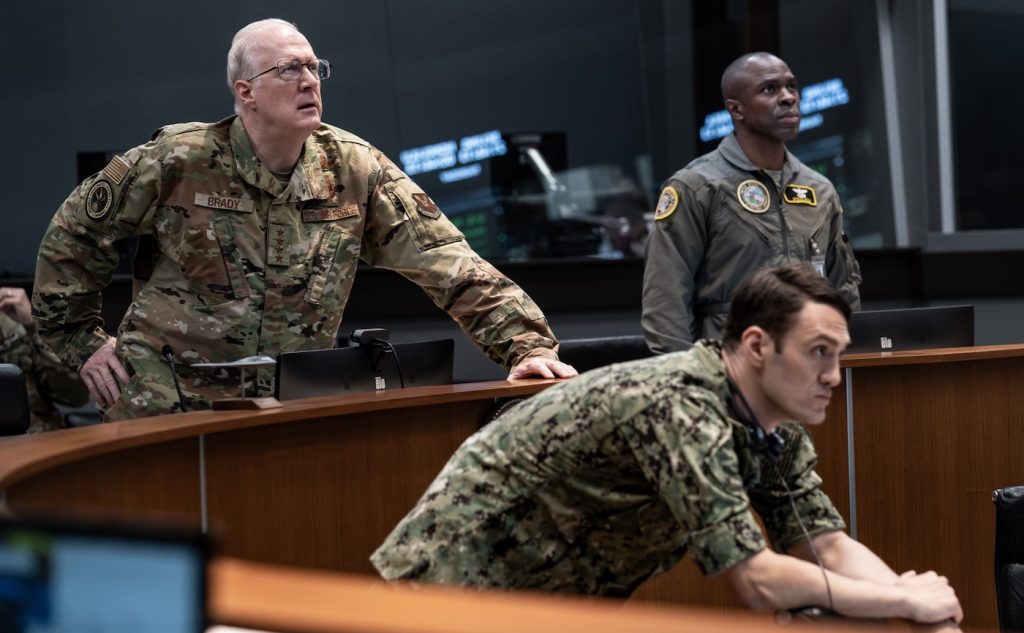
The subject matter naturally provides immense tension, but the way you pieced them together somehow made it even more nerve-wracking, without exhausting the audience. How did you maintain that level of tension?
The ticking clock gives it that undercurrent of tension. Composer Volker Bertelmann’s score really helps with that as well, but it really comes down to the performances. The ability to jump between locations also pushes it along, making sure it’s constantly demanding your attention. Jumping between locations kept it very sharp, rather than having to jump-cut within the storyline. In terms of not overwhelming the audience, I think the actors provided that — they slow down when the reality dawns on them, the air gets sucked out of the room, it’s very still and silent during these devastating pauses. I was on the lookout for those beats.
Does the vérité shooting style make it harder for you to edit?
No. They’re trying to get the best possible performances from everybody, and that live reality, rather than a blue screen, I think, enhances the actors’ performances. They’re more in the moment, they feel it and believe it, and get lost in the moment. To me, it’s all about making sure we’ve got the best of everybody in those rooms because what’s on the display screen can always be updated later. It created a very fast-paced, believable situation in all of these locations as a baseline to work from.
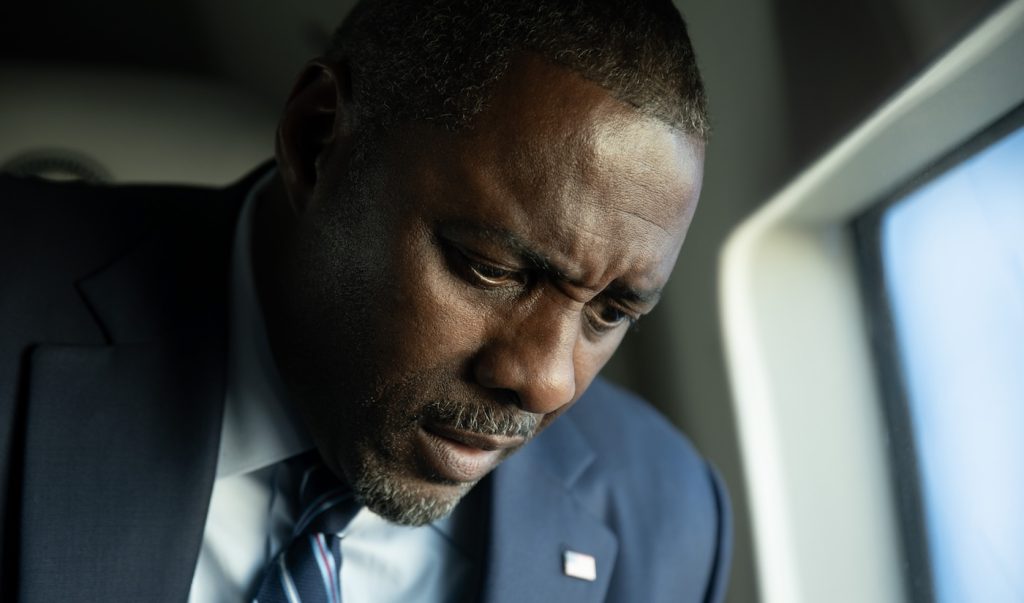
The playback team maneuvered all the screens in real time for every take, including the giant display screen in the White House Situation Room (which showed the missile’s real-time trajectory) and the Zoom conference calls in progress. How complicated was it to weave all those POVs together while matching every beat down to the second?
They had it all working live, so I could assemble it with how it was naturally performed on set. But when I needed to get more granular, I was adjusting performances across screens and response timing. The beauty of Kathryn’s choice to film it all live created very natural responses from everybody in the rooms and on these monitors. It really helped it flow like it would in a real situation. The ability to go into all these different locations and feature anyone at any point, like watch this on the big board as this person is talking, and then jump to that person’s location to see or hear them finishing that very sentence live. Having these choices might seem overwhelming at first, but they ultimately allowed me to put it together in an extremely thrilling way.
Check out part two of our conversation to find out how Baxter matched every beat with footage shot from different perspectives and locations, and his thoughts on that ambiguous ending.
A House of Dynamite is streaming on Netflix.
Featured image: A House of Dynamite. Rebecca Ferguson as Captain Olivia Walker in A House of Dynamite. Cr. Eros Hoagland/Netflix © 2025.